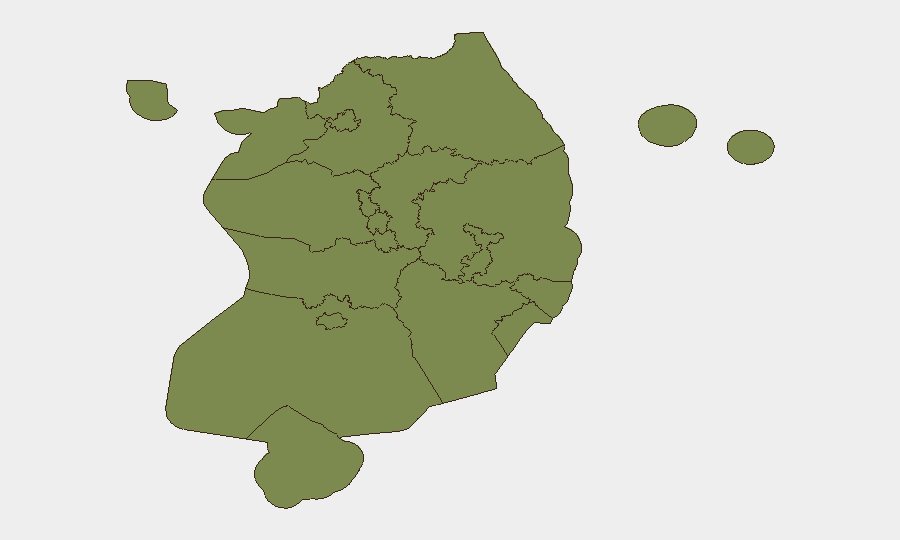
Situation Summary
South Korea remains a composite-threat environment (rank #118 globally, score 5.0) with elevated political and diplomatic volatility concentrated in Seoul and North Chungcheong. Recent event signals reflect domestic political tensions, bilateral diplomatic friction with external actors, and unresolved inter-Korean dynamics. The current trajectory suggests sustained rhetorical escalation rather than imminent kinetic risk, though localized security management remains essential for Seoul-based personnel and operations.
Key Developments
Web Research Limitation: Available sources do not contain confirmed incidents from June 15–17, 2026. The most recent verifiable event in the provided dataset is the June 11, 2026 Coupang fine (624.7 billion won for a 33.7-million-account data breach), which falls outside the 24–48-hour window and is regulatory rather than operational-security relevant.
Event Signal Summary (June 14–16, derived from GeoBit feeds):
- June 16 & 14: North Korea rejection statements; diplomatic posturing without reported kinetic activity.
- June 15: Multiple disapproval events involving South Korean government actors and international parties (London reference suggests diplomatic friction); small-arms combat signal recorded against presidential authority (nature and scale unclear from signal metadata).
- June 14: South Korea–Mexico public statement (context unknown); Beijing rejection of South Korea position; South Korea–London diplomatic friction.
Status: Signal clustering indicates political friction and rhetorical escalation; no confirmed deaths, mass casualty events, or facility attacks reported in last 24–48 hours. Detailed incident narratives require source corroboration beyond the provided dataset.
Highest-Risk Areas
Seoul dominates the risk profile (31.4) by a significant margin—reflecting its role as political, diplomatic, and economic center where government, media, and foreign-mission activity concentrate volatility. North Chungcheong's elevated risk (28.0) warrants investigation; it may reflect proximity to sensitive military/research installations or indirect effects of political messaging. Incheon (16.1), as the primary international gateway and port, carries trade-disruption and border-integrity risk. Remaining regions (Busan, Gyeonggi, and outlying areas) show minimal composite risk (<5.4), suggesting that operational security priorities should remain Seoul-centric with contingency planning for Incheon logistics and North Chungcheong restricted-zone operations.
How GeoBit Would Assist
Intel Sweep & OSINT fusion would disambiguate the June 15 small-arms signal and map political/diplomatic event narratives across Korean-language media, X, and official channels in real time. AOI Monitoring & Early Warning on Seoul government districts, Incheon port facilities, and North Chungcheong restricted zones would provide persistent alerting if event signals escalate to physical operations. Network & Actor Analysis would track key government, military, and opposition figures to identify decision inflection points before they translate to operational risk.
7-Day Outlook
Diplomatic and political rhetoric is expected to remain elevated through mid-to-late June, with recurring rejection and disapproval statements from North Korea and inter-governmental friction. No indicators suggest imminent kinetic escalation; however, Seoul-based teams should maintain heightened situational awareness and contingency routing, particularly for Incheon and government-district movements. Reassessment recommended if North Korea signals shift from rejection to military-readiness postures or if small-arms activity in Seoul escalates beyond the isolated June 15 signal.
Highest-Risk Areas — Ranked
| # | State / Region | Risk |
|---|---|---|
| 1 | Seoul | 31.4 |
| 2 | North Chungcheong | 28 |
| 3 | Incheon | 16.1 |
| 4 | Jeju | 8.2 |
| 5 | Busan | 5.4 |
| 6 | Gyeonggi | 3.7 |
| 7 | Gangwon State | 1.4 |
| 8 | South Chungcheong | 1.4 |
| 9 | South Jeolla | 1.4 |
| 10 | Sejong | 1.4 |
| 11 | Jeonbuk State | 1.4 |
| 12 | Daejeon | 1.4 |
Sources
Previous Daily Briefs
A new South Korea brief is written every day — each with its own risk map and downloadable CSV. Here's the last week; use the calendar to go further back.
📅 Browse every day by calendar →
Highlighted days have a brief. Tap a day for that day's map & analysis, or “csv” for that day's dataset ($5).