Situation Summary
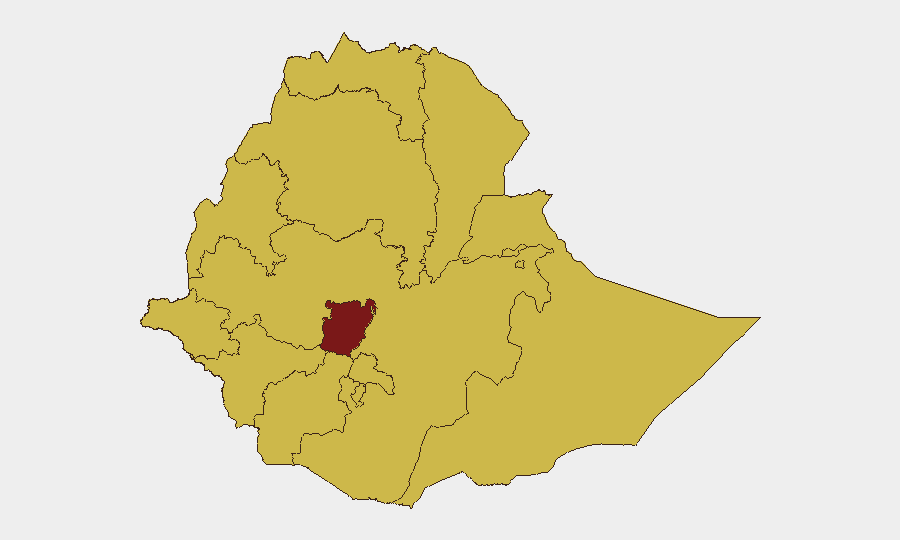
Ethiopia's composite threat score of 87 (rank #13 globally) reflects persistent civil conflict across multiple regions, with 71 tracked events in the current monitoring cycle. Central Ethiopia Regional State dominates the risk landscape at 90.8, significantly outpacing other sub-national areas, while secondary conflict zones span Tigray, Amhara, Afar, and the Somali Region. Recent signal activity includes cross-border military posturing with Egypt, detention of foreign nationals, and conventional force engagements involving the Marche faction. Concurrent health threats—including active Marburg virus disease cases and malaria circulation—compound operational risk for personnel and supply chains.
Key Developments
- 2026-06-19 · Egypt–Ethiopia tensions: Public statement from Egypt signals diplomatic or resource friction; escalation pathway unclear. Monitor for Nile water-sharing rhetoric or GERD-related posturing.
- 2026-06-18 · Conventional military activity: Three recorded incidents involving Ethiopian forces and Marche faction personnel indicate active combat or armed confrontation; specific location and casualty figures not yet clarified in available reporting.
- 2026-06-18 · Foreign national detention: Nigerian national arrested by Ethiopian authorities; grounds and detention location unconfirmed. Suggests heightened security screening or counter-threat operations targeting foreign presence.
- 2026-06-17 · Threat issued by authorities: Unspecified threat directed at Ethiopian national(s) by authorities; may indicate political pressure, activist targeting, or compliance enforcement; context insufficient for threat assessment.
- Ongoing health emergencies: Marburg virus disease confirmed in active circulation (multiple cases); malaria endemic. Both present occupational exposure risk in rural/conflict-affected zones where healthcare capacity is limited.
- Regional wildfire activity: Cross-border wildfire event (Ethiopia–Sudan) ongoing; potential for displacement, respiratory hazards, and disruption to transport corridors.
Note: Specific incident locations, casualty figures, and detailed tactical context for military engagements remain unconfirmed in current open-source reporting.
Highest-Risk Areas
Central Ethiopia Regional State's risk score of 90.8 is substantially elevated relative to all other regions (60.8 baseline), indicating a concentrated conflict driver or acute incident cluster in that area. Tigray, Amhara, Afar, Somali, and Benishangul-Gumuz regions all register at 60.8, reflecting sustained low-to-moderate conflict, criminal activity, or resource competition. Addis Ababa and Oromia, despite urban and economic significance, carry the same 60.8 score, suggesting either latent political tension or crime/protest risk. The Central Ethiopia spike warrants immediate focus for personnel movement, supply routing, and asset exposure assessment.
How GeoBit Would Assist
Teams should deploy AOI Monitoring & Early Warning on Central Ethiopia Regional State and secondary zones to capture real-time conflict, checkpoint activity, and displacement signals. Battle mapping and force-structure tracking will clarify the Marche-Ethiopian military engagement and forecast tactical risk. OSINT fusion (X/Telegram, news, Shodan, radio SIGINT) should be tasked to confirm detention circumstances, health outbreak geography, and Egypt–Ethiopia posturing. Routing & Network Analysis will identify alternative supply and personnel transit paths around active conflict zones and wildfire corridors.
7-Day Outlook
Central Ethiopia Regional State is forecast to remain the primary risk driver; military activity may intensify if Marche faction consolidates or if political messaging escalates ahead of any administrative reshuffling. Health incidents (Marburg, malaria) will likely continue absent major public-health intervention; expect localized clinic/hospital strain. Diplomatic friction with Egypt should be monitored for spillover into resource or security agreements; low near-term military escalation probability, but medium-term risk if GERD or water disputes sharpen.
Highest-Risk Areas — Ranked
| # | State / Region | Risk |
|---|---|---|
| 1 | Central Ethiopia Regional State | 90.8 |
| 2 | Tigray | 60.8 |
| 3 | Amhara Region | 60.8 |
| 4 | Afar Region | 60.8 |
| 5 | Benishangul-Gumuz Region | 60.8 |
| 6 | Somali Region | 60.8 |
| 7 | Gambela Region | 60.8 |
| 8 | South West Ethiopia Peoples | 60.8 |
| 9 | Addis Ababa | 60.8 |
| 10 | South Ethiopia Regional State | 60.8 |
| 11 | Oromia Region | 60.8 |
| 12 | Sidama | 60.8 |
Sources
Previous Daily Briefs
A new Ethiopia brief is written every day — each with its own risk map and downloadable CSV. Here's the last week; use the calendar to go further back.
📅 Browse every day by calendar →
Highlighted days have a brief. Tap a day for that day's map & analysis, or “csv” for that day's dataset ($5).