Situation Summary
Fiji remains a low-to-moderate threat environment (global rank #146, composite score 5) but faces heightened political and labor tensions as of 13 July 2026. The Central Division—home to the capital Suva and government institutions—carries significantly elevated risk (31.5), driven by concurrent demands against government, police investigations, and threats directed at opposition and worker groups. The trajectory suggests escalating civil pressure rather than imminent security collapse, but monitoring of political and labor dynamics is warranted.
Key Developments
- Suva (Central) — 13 July: Demands lodged against the Fijian government; police investigations opened on the same date, suggesting potential governance or administrative friction at the national level.
- Fiji (nationwide) — 13 July: Government issued threats toward an opposition leader and worker groups; concurrent rejection and disapproval signals from public and FIJIAN actors indicate widening polarization.
- Fiji (nationwide) — 13 July: Worker groups made threats against the state, signaling labor or employment grievance escalation; two separate worker-threat events recorded same day.
- Fiji (nationwide) — 11 July: Public disapproval of government; separate disapproval of media by government, suggesting messaging/narrative conflict.
- Educational institutions (location unclear) — 11 July: SAMI (likely community or advocacy group) issued public statement against schools, indicating possible education policy or indigenous-rights tension.
*Note: Fresh web research for the last 24–48 hours did not yield additional corroborated security events beyond the event signals above. Background context includes the June 28 military-budget dispute (Major General Jone Kalouniwai public criticism) and April 2026 death of Jone Vakarisi in military custody—both pre-dating current reporting window but relevant to institutional strain.*
Highest-Risk Areas
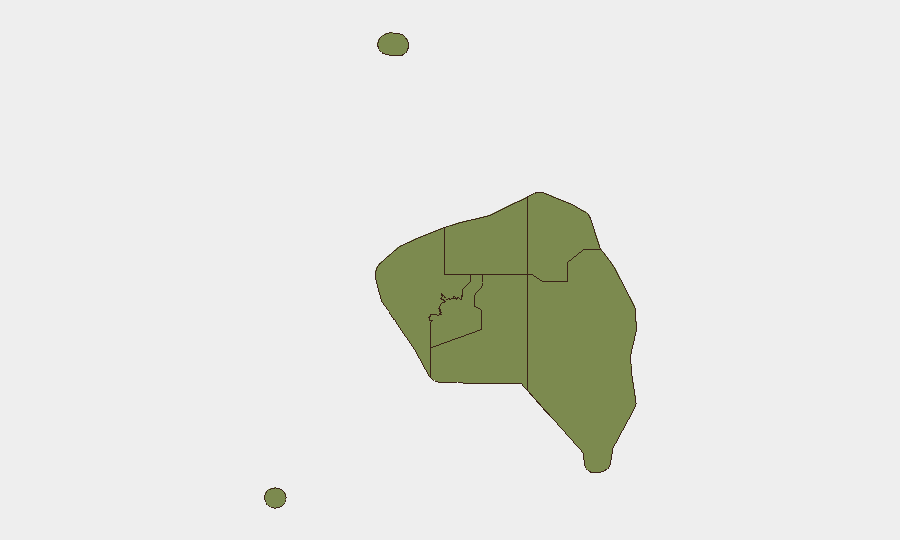
Central Division (31.5) dominates the risk profile, reflecting Suva's concentration of government, police, and media institutions now subject to demands, investigations, and public disapproval. Western Division (16.5) carries secondary risk, while Eastern (12.3) and Northern (8.0) remain lower-risk. The Central-Western axis accounts for ~80% of tracked events; Rotuma (1.5) is minimal. Risk clustering in Central is driven by political and institutional friction (government–opposition, government–workers, police action) rather than geographic instability or violence; however, labor and opposition mobilization warrants monitoring to prevent escalation.
How GeoBit Would Assist
GeoBit's AOI Monitoring & Early Warning capability would maintain persistent watch on Suva and government districts to detect physical protests, labor actions, or security incidents in real time. Network & Actor Analysis would map relationships among opposition, worker, and government actors to anticipate coalition-building or escalation vectors. Sentiment & Temporal Analysis applied to X, Telegram, and local news feeds would track polarization trends and identify flashpoints (e.g., labor negotiations, parliamentary sessions) where demands or threats may crystallize into operational risk.
7-Day Outlook
Political and labor tensions are likely to remain elevated over the next week, with potential for public demonstrations or strikes tied to worker grievances or opposition mobilization. Government threats and police investigations suggest institutional actors are responding defensively, raising the risk of heavy-handed responses if protests materialize. Security teams should monitor official announcements, labor-union communications, and opposition messaging for scheduled events; no major security incident is currently forecast, but rapid escalation from civil pressure to public disorder remains plausible if demands are not addressed or negotiations fail.
Highest-Risk Areas — Ranked
| # | State / Region | Risk |
|---|---|---|
| 1 | Central | 31.5 |
| 2 | Western | 16.5 |
| 3 | Eastern | 12.3 |
| 4 | Northern | 8 |
| 5 | Rotuma | 1.5 |
Sources
Previous Daily Briefs
A new Fiji brief is written every day — each with its own risk map and downloadable CSV. Here's the last week; use the calendar to go further back.
📅 Browse every day by calendar →
Highlighted days have a brief. Tap a day for that day's map & analysis, or “csv” for that day's dataset ($5).
Atlas — our AI intelligence desk — emails them this snapshot personally. Nothing else, no list.