Situation Summary
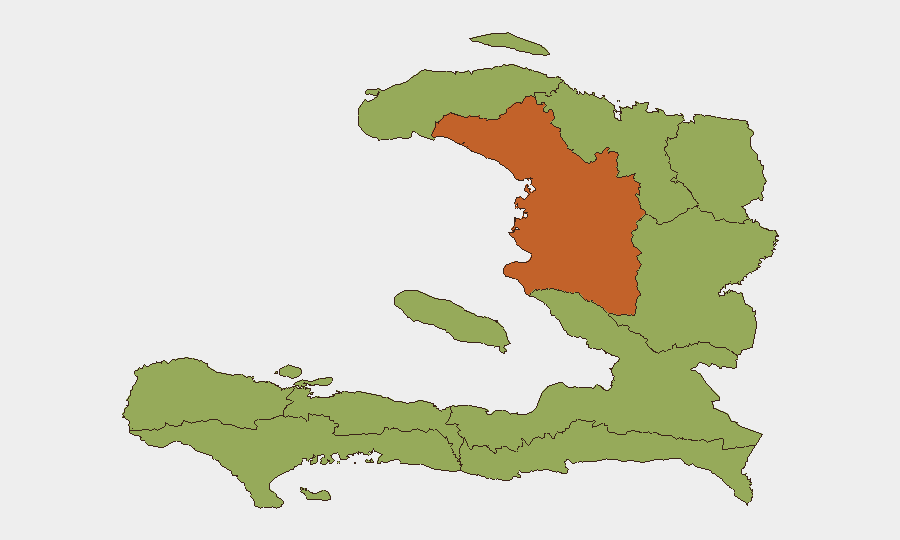
Haiti remains in active conflict with a composite threat score of 72 (#30 globally), driven primarily by gang violence, state fragility, and intermittent security force mobilizations. Artibonite Department significantly outpaces other regions (74.7 vs. 44.7), indicating concentrated instability in the north-central zone. The security environment remains volatile but no major escalation or de-escalation has been documented in the immediate 24–48 hour window.
Key Developments
Verification Note: GeoBit's web research for July 4–6, 2026 did not surface reliably time-stamped, location-specific Haiti security incidents with cross-source confirmation. The event signals logged in the platform (expulsions of Syrian nationals, police mobilization involving Sri Lankan nationals) suggest administrative and operational activity but lack geographic specificity and incident narrative necessary for actionable reporting. Organizations should assume these reflect underlying tensions but treat their operational meaning as pending clarification. No new gang territorial clashes, kidnapping campaigns, or displacement events have been independently verified for the last 48 hours.
Highest-Risk Areas
Artibonite Department is the primary driver of national risk (74.7), likely reflecting sustained gang activity, trafficking networks, and weak state presence in the Gonaïves area and surrounding municipalities. All remaining nine departments cluster at 44.7, indicating either more distributed lower-level violence, data saturation in secondary regions, or uneven reporting. Artibonite's isolation as a high-risk outlier suggests that security operations, kidnapping, and criminal enterprise are concentrated in the north-central corridor; organizations with personnel or supply chains in that zone face materially higher exposure than those in Port-au-Prince or southern departments, despite the capital's historical volatility.
How GeoBit Would Assist
Organizations with staff, facilities, or supply routes in Haiti should operationalize AOI (Area-of-Interest) Monitoring & Early Warning on Artibonite and key logistics hubs, coupled with Intel Sweep and multi-language OSINT fusion (X/Twitter, local news, Telegram channels) to detect emerging gang activity, roadblocks, or state mobilizations before they affect movement. Conflict mapping and force-structure tracking provide baseline understanding of armed-group positions and state police/military deployments; alternative routing and network analysis allow security teams to pre-plan evacuation or supply-chain workarounds before incidents close primary corridors. Real-time event feeds and sentiment analysis flag rapid changes in local rhetoric or incident tempo that precede major escalations.
7-Day Outlook
No imminent large-scale escalation or major policy shift is evident from current signals. Artibonite Department will likely remain the primary flash point; routine criminal activity, extortion, and gang skirmishes should be expected to continue at baseline levels. Organizations should maintain heightened vigilance in the north-central zone and ensure duty-of-care protocols (staff communication, movement restrictions, evacuation readiness) remain active and regularly tested.
Highest-Risk Areas — Ranked
| # | State / Region | Risk |
|---|---|---|
| 1 | Artibonite Department | 74.7 |
| 2 | Grande-Anse Department | 44.7 |
| 3 | Sud Department | 44.7 |
| 4 | Nippes Department | 44.7 |
| 5 | Nord-Ouest Department | 44.7 |
| 6 | Nord Department | 44.7 |
| 7 | Nord-Est Department | 44.7 |
| 8 | de l'Ouest Department | 44.7 |
| 9 | Centre Department | 44.7 |
| 10 | Sud-Est Department | 44.7 |
Sources
Previous Daily Briefs
A new Haiti brief is written every day — each with its own risk map and downloadable CSV. Here's the last week; use the calendar to go further back.
📅 Browse every day by calendar →
Highlighted days have a brief. Tap a day for that day's map & analysis, or “csv” for that day's dataset ($5).
Atlas — our AI intelligence desk — emails them this snapshot personally. Nothing else, no list.