Situation Summary
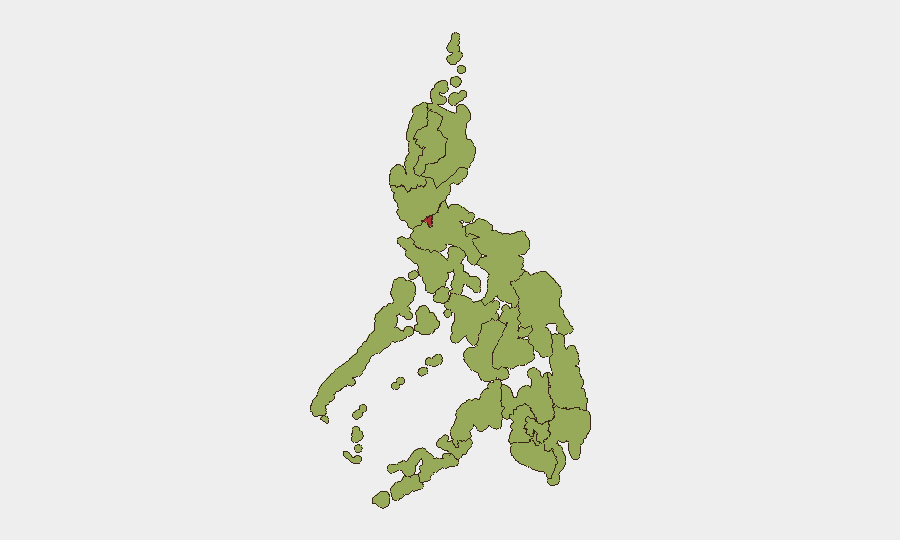
The Philippines maintains a composite threat score of 68 (global rank #31), reflecting persistent security fragmentation across multiple regions and event types. Recent signal activity (June 28–30) indicates friction across political, religious, and international dimensions, with Metro Manila (risk 77.2) and Mimaropa (59.1) driving overall national risk. Weather monitoring by DOST–PAGASA has flagged elevated tropical cyclone and flooding risk for Eastern Visayas, Northern Mindanao, and Caraga regions through June 30, introducing near-term transport and infrastructure exposure.
Key Developments
- June 30 · Civil/Diplomatic Friction · Multiple Jurisdictions
Public statement activity by Manila and Philippine authorities, coupled with rejection signals from Taiwan and disapproval related to a website, indicates ongoing low-level diplomatic and administrative turbulence. No specific incident location confirmed in available reporting.
- June 30 · International Law-Enforcement Action · Metro Manila (inferred)
An Australian national was arrested/detained by Philippine authorities on June 30. Details of charge, location, and current status not available in open reporting; corporate teams with Australian nationals or operations should monitor consular advisories.
- June 30 · Civil Obstruction · Religious Sector (location unspecified)
A passage-obstruction event involving Philippine authorities and a religious group was recorded June 30. Context and geographic scope remain unclear; monitor for escalation in regions with sectarian or religious-minority tensions.
- June 30 · Institutional Investigation · Philippine Government (ongoing)
Investigations initiated against Philippine lawmakers and administration officials (dates June 28–30) suggest internal institutional friction. No specific corruption, misconduct, or criminal charge is detailed in available signals.
- June 30 · Military Operations Alert · Administration vs. Philippine (location/nature unclear)
A conventional military force signal was recorded June 30. This may reflect internal military redeployment, exercises, or external show-of-force; insufficient detail for operational assessment.
- June 28–30 · Multi-Agency Investigation · Philippine Government / US Authorities
US-Philippine investigative activity was recorded June 28. Scope (counter-terrorism, counter-narcotics, trafficking, cybercrime, etc.) is not specified in available signals.
- June 29–30 · Weather-Driven Flood Risk (Forecast) · Eastern Visayas, Northern Mindanao, Caraga, Davao Region
DOST–PAGASA upgraded a low-pressure area to medium tropical cyclone probability and issued heavy rainfall outlook (50–100 mm) for Samar, Northern Samar, Eastern Samar, and Biliran June 29–30, with trough effects extending to higher-risk regions. Localized flooding and transport disruption are possible but not yet confirmed as actual incidents.
Highest-Risk Areas
Metro Manila (77.2) and Mimaropa (59.1) are the primary risk drivers, reflecting capital-region crime, civil disorder, and infrastructure vulnerability. Eastern Visayas (54.8), Cordillera (52.9), and Central Luzon (52.2) follow, with elevated exposure to conflict, natural hazard, and banditry. The clustering of risk in Metro Manila and surrounding regions suggests that corporate personnel and supply-chain nodes in the capital corridor face the highest cumulative threat; Eastern Visayas currently faces acute flooding and tropical-cyclone risk through June 30.
How GeoBit Would Assist
Security teams can deploy AOI Monitoring & Early Warning on Metro Manila, Mimaropa, and Eastern Visayas to detect emerging civil unrest, crime clusters, or infrastructure disruption in near-real time. Conflict & Military tracking combined with Intel Sweep and multi-language OSINT fusion would clarify the military and investigative signals issued June 28–30 and identify their operational or policy implications. Routing & Network Analysis can generate alternative logistics and personnel-movement routes during weather disruption windows.
7-Day Outlook
Tropical cyclone and heavy rainfall risk remains elevated through June 30 in Eastern Visayas and Mindanao; monitoring should continue through early July for actual impact reports. Political and administrative friction signals suggest underlying institutional strain; watch for legislative action, anti-corruption charges, or security-force posturing in early July. No imminent national-level crisis is signaled, but Metro Manila's persistent high risk warrants sustained monitoring of transport, commercial, and expatriate security.
Highest-Risk Areas — Ranked
| # | State / Region | Risk |
|---|---|---|
| 1 | Metro Manila | 77.2 |
| 2 | Mimaropa | 59.1 |
| 3 | Eastern Visayas | 54.8 |
| 4 | Cordillera Administrative Region | 52.9 |
| 5 | Central Luzon | 52.2 |
| 6 | Bicol Region | 48.5 |
| 7 | Northern Mindanao | 47.9 |
| 8 | Ilocos Region | 47.9 |
| 9 | Bangsamoro | 47.2 |
| 10 | Caraga | 47.2 |
| 11 | Soccsksargen | 47.2 |
| 12 | Davao Region | 47.2 |
Sources
Previous Daily Briefs
A new Philippines brief is written every day — each with its own risk map and downloadable CSV. Here's the last week; use the calendar to go further back.
📅 Browse every day by calendar →
Highlighted days have a brief. Tap a day for that day's map & analysis, or “csv” for that day's dataset ($5).