Situation Summary
Saudi Arabia faces a sharp escalation in cross-border missile and drone threats following the July 13 Saudi airstrike on Sanaa International Airport in Yemen. The Houthi movement has declared an end to de-escalation and launched retaliatory ballistic missile and drone attacks against Abha International Airport and southern military installations on July 17–18, with additional unexplained security alerts in Yanbu and Al-Kharj. While air defenses have intercepted incoming threats without reported casualties, the incident marks a significant shift in the threat posture after years of relative stability, with direct implications for southern aviation, military operations, and critical infrastructure in Riyadh and western coastal zones.
Key Developments
- Houthi ballistic missile and drone attacks on Abha International Airport and southern air bases – July 17, 2026. Yemen-based Houthi forces announced end of de-escalation and launched coordinated attacks on Abha (Asir Province) and at least two unnamed air bases in retaliation for the Saudi strike on Sanaa; Saudi air defenses intercepted multiple inbound missiles; no reported casualties but significant escalation indicator.
- Flight cancellations and suspensions at Abha and Najran airports – July 17, 2026. Multiple regional and Saudi carriers (Flydubai, Saudia, flynas, Flyadeal) suspended or cancelled at least 10 domestic and regional flights to/from Abha and Najran following the Houthi attack; aviation security posture elevated across southern airports.
- Unexplained explosions and civil defense alerts in Yanbu, western Saudi Arabia – July 18, 2026. Regional media reported explosions shaking the Red Sea port city of Yanbu (Medina Province); Saudi Civil Defense issued and then rescinded "potential danger" alerts without specifying cause, nature, or damage; incident remains under investigation.
- Civil Defense "potential danger" alerts in Al-Kharj and Yanbu with rapid all-clear – early July 18, 2026. Authorities issued two early warnings for Al-Kharj (Riyadh Region) and Yanbu, then declared danger had passed in both locations within hours; alerts indicate official acknowledgment of a short-duration but unspecified threat in proximity to capital and major industrial port.
- UN Security Council condemnation of Houthi ballistic missile attacks – July 17, 2026. UK, Pakistan, and other UNSC members publicly condemned the Houthi missile attacks on Saudi Arabia, confirming the incident's international significance and cross-border escalation pattern.
Highest-Risk Areas
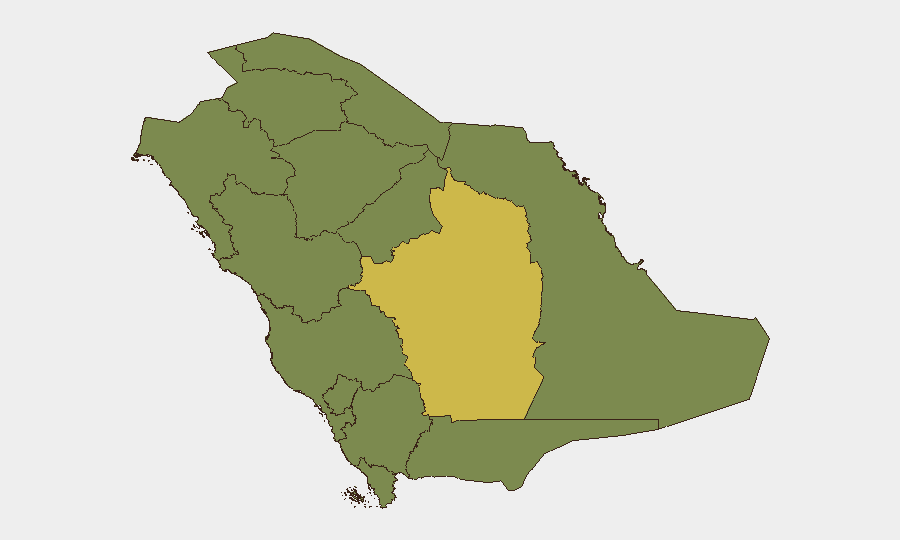
Riyadh Region (score 63.9) dominates the national risk profile, driven by the Al-Kharj alert on July 18 and exposure to indirect spillover from southern escalation. Medina Province (39.8) is significantly elevated by the Yanbu explosions and civil defense alerts, reflecting vulnerability of critical Red Sea industrial and port infrastructure. The southern border provinces—Asir (Abha airport, 33.9), Najran (33.9), and Jazan (33.9)—now face acute direct-strike risk from Houthi ballistic and drone capabilities following the July 17–18 attacks and flight suspensions. This pattern reflects a concentration of kinetic threat in the south and capital region, with western coastal zones (Yanbu) emerging as a secondary concern.
How GeoBit Would Assist
Security teams should deploy AOI Monitoring & Early Warning on Yanbu, Abha, and Al-Kharj to detect and alert on imminent threats and infrastructure incidents in real time. Conflict & Military tracking (force structure, weapons-capability analysis, and battle mapping) would clarify Houthi attack patterns, air defense response, and likely secondary targets. Aviation tracking and routing & network analysis enable dynamic rerouting of personnel and supply chains away from suspended airports and threatened corridors.
7-Day Outlook
Houthi retaliation is likely to continue in the near term, with additional ballistic and drone strikes targeting southern military installations and aviation nodes as the group sustains its declared end to de-escalation. Saudi air defenses will remain on high alert; civilian travel to Abha and Najran should be expected to remain disrupted. The cause and intent behind the Yanbu and Al-Kharj alerts remain unclear and warrant urgent clarification to assess whether they represent secondary attack vectors or unrelated safety concerns.
Highest-Risk Areas — Ranked
| # | State / Region | Risk |
|---|---|---|
| 1 | Riyadh Region | 63.9 |
| 2 | Medina Province | 39.8 |
| 3 | Makkah Region | 35.7 |
| 4 | Northern Borders Province | 33.9 |
| 5 | Al-Bahah Province | 33.9 |
| 6 | 'Asir Province | 33.9 |
| 7 | Jazan Province | 33.9 |
| 8 | Najran Region | 33.9 |
| 9 | Tabuk Province | 33.9 |
| 10 | Al Jawf Region | 33.9 |
| 11 | Ḥa'il Province | 33.9 |
| 12 | Al-Qassim Province | 33.9 |
Sources
Previous Daily Briefs
A new Saudi Arabia brief is written every day — each with its own risk map and downloadable CSV. Here's the last week; use the calendar to go further back.
📅 Browse every day by calendar →
Highlighted days have a brief. Tap a day for that day's map & analysis, or “csv” for that day's dataset ($5).
Atlas — our AI intelligence desk — emails them this snapshot personally. Nothing else, no list.