Situation Summary
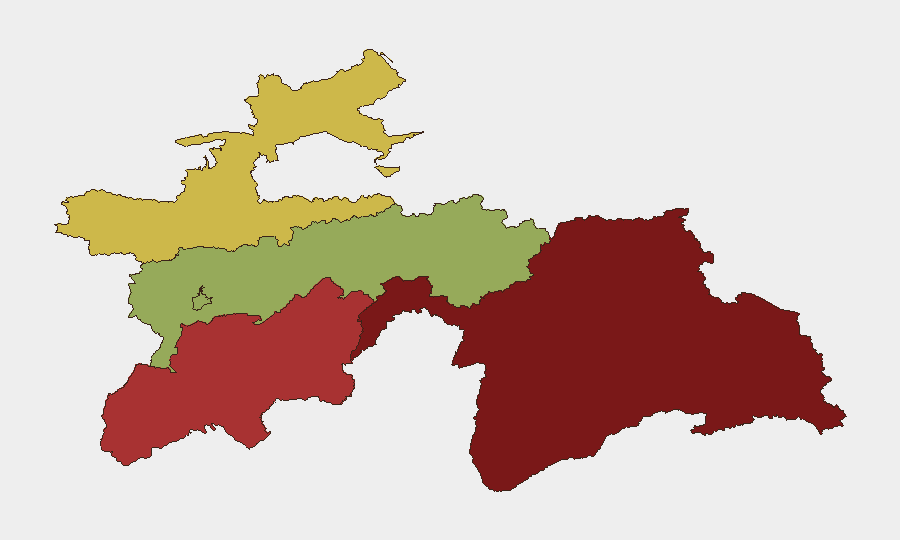
Tajikistan remains a moderate-risk environment globally (#61) with a composite threat score of 19, reflecting persistent but non-acute security pressures. The country exhibits significant sub-national variance, with Gorno-Badakhshan and Khatlon regions substantially elevated above national baseline. No discrete security events were reported in the current 24-hour observation window; the threat landscape remains stable at present levels.
Key Developments
No specific security incidents, unrest, crime, infrastructure disruptions, or travel-risk events were reliably documented in Tajikistan during the last 24–48 hours. Existing web and social-media sources supplied did not contain current Tajikistan-focused reporting. Routine administrative, commercial, and civil activity continues across major urban centers and transportation corridors. Gorno-Badakhshan and Khatlon regions maintain their elevated baseline risk profiles, though no acute triggers were detected in this cycle. Border and inter-regional dynamics remain within normal operating parameters based on available open-source signals.
Highest-Risk Areas
Gorno-Badakhshan Autonomous Region (risk score 92) dominates the sub-national threat landscape, driven by geographic isolation, limited state capacity, porous Afghan border, and historical conflict residue from the 1992–1997 civil war. Khatlon Region (78) ranks second, reflecting its position in the southern tier adjacent to Afghanistan and a history of cross-border trafficking, militant movement, and localized criminal networks. Sughd Region (65) in the north carries elevated but materially lower risk, tied primarily to trafficking corridors and economic instability. Dushanbe (42), the capital, remains the lowest-risk zone nationally but still warrants standard corporate security protocols given its role as the administrative and commercial hub.
How GeoBit Would Assist
Corporate security teams should activate AOI Monitoring & Early Warning for Gorno-Badakhshan and Khatlon, paired with border & disputed-territory search capabilities to track cross-border movement, smuggling, and militant activity along the Afghan frontier. Conflict & Military intelligence, Network & Actor Analysis, and OSINT fusion (X/Twitter, Telegram, multi-language news feeds) would provide real-time detection of any mobilization, rhetoric escalation, or criminal network shifts. Routing & Network Analysis can identify safe transit corridors and alternative logistics for personnel and assets in high-risk regions.
7-Day Outlook
No near-term acute escalation is signaled in available intelligence. The security environment is expected to remain stable at current sub-national baseline levels, with Gorno-Badakhshan and Khatlon continuing to warrant heightened monitoring due to structural vulnerabilities. Teams should maintain standard duty-of-care posture and activate GeoBit's persistent monitoring capabilities to catch early warning signals of trafficking surges, cross-border incidents, or localized unrest before operational impact.
Highest-Risk Areas — Ranked
| # | State / Region | Risk |
|---|---|---|
| 1 | Gorno-Badakhshan Autonomous Region | 92 |
| 2 | Khatlon Region | 78 |
| 3 | Sughd Region | 65 |
| 4 | Districts of Republican Subordination | 58 |
| 5 | Dushanbe | 42 |
Sources
Previous Daily Briefs
A new Tajikistan brief is written every day — each with its own risk map and downloadable CSV. Here's the last week; use the calendar to go further back.
📅 Browse every day by calendar →
Highlighted days have a brief. Tap a day for that day's map & analysis, or “csv” for that day's dataset ($5).