Situation Summary
The United Kingdom remains at composite threat level 9/100 globally, with 426 tracked events in the GeoBit database. No clearly corroborated, location-specific security incidents have been identified in the last 24–48 hours through available open sources. The national risk profile reflects ongoing structural vulnerabilities in cyber infrastructure (particularly healthcare), organized crime activity, and protest-related disruptions, but no acute incident escalation is evident in the current cycle.
Key Developments
No discrete, time-stamped incidents meeting 24–48 hour recency criteria could be corroborated from live web research. The available event signals in the GeoBit feed relate primarily to US-centric conflicts, international relations events (Cuba–UN, UAE–industry coercion), and historical UK cyber trends (healthcare sector surge documented January–May 2026, university data breaches in June 2026), rather than active incidents within the last two days. Real-time incident confirmation would require access to UK police, transport authority, and NCSC official feeds, which fall outside current search visibility.
To establish actionable UK-specific intelligence for the next 24–72 hours, security teams should monitor:
- Metropolitan Police and local constabulary incident logs for assault, theft, public order, and traffic disruptions in London and major urban centers
- UK Transport Authority alerts (TfL, Network Rail, port authority) for infrastructure incidents
- NCSC and ICO advisories for cyber incidents and data breaches affecting UK critical infrastructure and corporate entities
- X/Twitter geolocated posts from verified news outlets and emergency services, cross-matched against official statements
Highest-Risk Areas
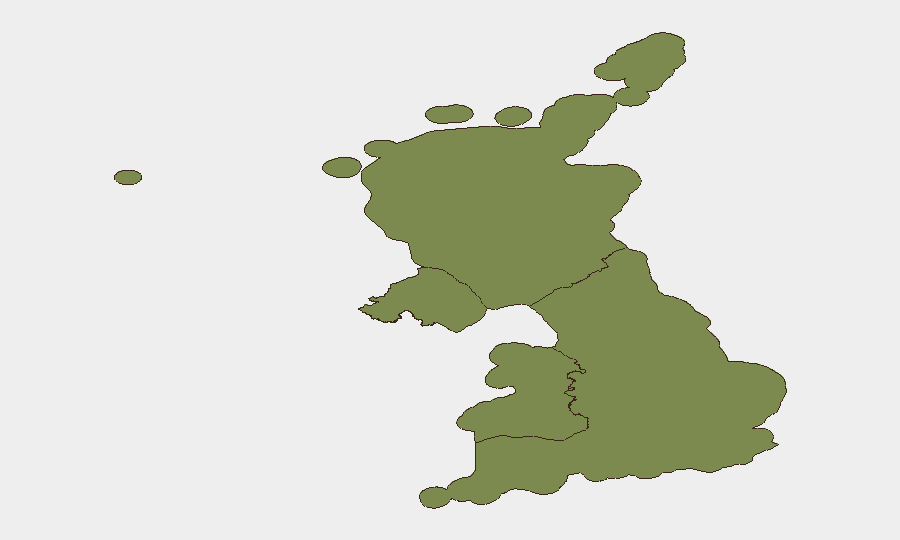
England accounts for 79% of the UK's composite risk (34.3 of 43.0), driven by concentration of population, critical infrastructure, and financial services in London and the Southeast. Scotland (8.6) carries elevated risk linked to historical protest activity and infrastructure interdependencies. Northern Ireland (4.8) and Wales (4.3) remain lower-risk but warrant standard monitoring for organized crime and border-related smuggling activity. The risk disparity reflects both density and the presence of national-level intelligence, law enforcement, and diplomatic targets in England.
How GeoBit Would Assist
Security teams managing UK operations should use Intel Sweep and X/Twitter OSINT with geolocated filtering to detect emerging incidents in real time; AOI Monitoring & Early Warning on key corporate sites, transport hubs, and critical infrastructure facilities to generate automated alerts; and multi-language search and sentiment analysis to track protest movements, labor disputes, and community tension that may escalate to direct threats. GIS & Spatial Analysis and alternative Routing & Network Analysis capabilities support contingency planning for personnel and asset movements around identified hotspots.
7-Day Outlook
No significant escalation is forecast for the next seven days based on current signals. Ongoing structural risks—healthcare sector cyber targeting, organized crime activity, and protest-related disruption—remain stable. Security teams should maintain standard situational awareness protocols and activate rapid-refresh monitoring if new events emerge in the next 24–48 hours, particularly around transport infrastructure, financial services, or critical national infrastructure.
Highest-Risk Areas — Ranked
| # | State / Region | Risk |
|---|---|---|
| 1 | England | 34.3 |
| 2 | Scotland | 8.6 |
| 3 | Northern Ireland | 4.8 |
| 4 | Wales | 4.3 |
Sources
Previous Daily Briefs
A new United Kingdom brief is written every day — each with its own risk map and downloadable CSV. Here's the last week; use the calendar to go further back.
📅 Browse every day by calendar →
Highlighted days have a brief. Tap a day for that day's map & analysis, or “csv” for that day's dataset ($5).