Situation Summary
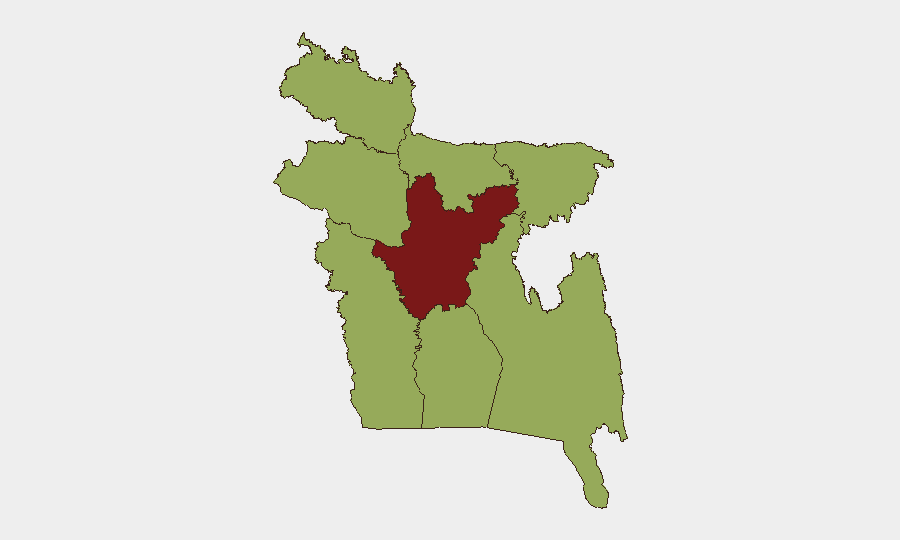
Bangladesh remains at moderate global risk (#28, composite score 73) with elevated threat density concentrated in Dhaka Division (80.9) and secondary hotspots across the southern and eastern regions. The past 48 hours reflect a pattern of routine law-enforcement intensity, border management friction, and infrastructure/public health alerts, without evidence of imminent destabilization. However, the combination of recent anti-crime sweeps, border tensions with India, and concurrent public health emergencies (measles, Nipah virus) creates compound operational friction for corporate and NGO personnel.
Key Developments
- Dhaka city, 5 July 2026 – Dhaka Metropolitan Police conducted coordinated anti-crime operations across eight divisions (Uttara, Mirpur, Tejgaon, Gulshan, Ramna, Motijheel, Wari, Lalbagh), arresting 508 individuals in 24 hours and recovering narcotics, weapons, and cash; 50 criminal cases filed. Reflects elevated police activity and street-level enforcement volatility.
- Bangladesh–India border, nationwide, 5 July 2026 – Border Guard Bangladesh alleged 10 "push-in" incidents by Indian forces along the 4,000 km frontier in the previous 24 hours; BGB reiterated zero-tolerance stance. Indicates recurring trans-border friction and heightened vigilance along northern and eastern frontiers.
- Teknaf, Cox's Bazar district, 5 July 2026 – Reports (social media and regional sources) of an airstrike near the Teknaf–Myanmar border targeting insurgent positions; official Bangladeshi confirmation pending. Raises Myanmar-spillover security concerns and potential cross-border operation risk in the southeast.
- Dhaka, national level, 5 July 2026 – Prime Minister Tarique Rahman directed re-calibration of presidential security arrangements to reduce physical/psychological barriers while maintaining protection; reflects ongoing senior leadership security management.
- National level, 5 July 2026 – Government announced a "four-dimensional" military modernization plan extending capabilities into digital and cyber domains to counter hybrid warfare; signals strategic priority shift and potential implications for critical infrastructure security.
- National level, 5 July 2026 – Public health emergency declared in parts of the country (ongoing measles and Nipah virus cases); heavy rain alerts issued with flooding/transport disruption risk. Compounds operational constraints for field teams.
- Bangabandhu Bridge, Tangail district, 5 July 2026 – 42,500 vehicles crossed the bridge in 24 hours; traffic surge impacts congestion and logistics on a critical northern corridor.
Highest-Risk Areas
Dhaka Division dominates sub-national risk (80.9), driven by population density, economic concentration, and law-enforcement intensity. Secondary clustering in Chittagong, Khulna, and Barishal divisions (55–54) reflects border proximity, port activity, and maritime trafficking vectors. The eastern and southeastern divisions (Chittagong, Sylhet, Cox's Bazar periphery) show elevated exposure to cross-border spillover from Myanmar insurgency and India–Bangladesh frontier frictions. Dhaka remains the primary operational concern for corporate presence and critical infrastructure.
How GeoBit Would Assist
Teams operating in Bangladesh should leverage AOI Monitoring & Early Warning for persistent watch on Dhaka Division, the Bangladesh–India and Bangladesh–Myanmar borders, and critical infrastructure corridors (Bangabandhu Bridge, ports). OSINT Fusion & Corroboration (X/Telegram, YouTube, radio SIGINT) enables real-time tracking of border incidents, crime sweeps, and public health alerts. Conflict & Military tracking and Network & Actor Analysis support monitoring of Myanmar-spillover threats and cross-border militant movement.
7-Day Outlook
Bangladesh is unlikely to experience major destabilization over the next week; however, law-enforcement operations will likely continue at elevated tempo, and monsoon weather will compound travel and supply-chain disruption. Border friction with India and potential Myanmar spillover incidents merit sustained monitoring. Corporate security teams should maintain heightened situational awareness in Dhaka and coordinate travel through secondary divisions with advance notice.
Highest-Risk Areas — Ranked
| # | State / Region | Risk |
|---|---|---|
| 1 | Dhaka Division | 80.9 |
| 2 | Chittagong Division | 55.2 |
| 3 | Khulna Division | 53 |
| 4 | Barishal Division | 50.9 |
| 5 | Rangpur Division | 50.9 |
| 6 | Rajshahi Division | 50.9 |
| 7 | Mymensingh Division | 50.9 |
| 8 | Sylhet Division | 50.9 |
Sources
Previous Daily Briefs
A new Bangladesh brief is written every day — each with its own risk map and downloadable CSV. Here's the last week; use the calendar to go further back.
📅 Browse every day by calendar →
Highlighted days have a brief. Tap a day for that day's map & analysis, or “csv” for that day's dataset ($5).
Atlas — our AI intelligence desk — emails them this snapshot personally. Nothing else, no list.