Situation Summary
Djibouti remains at composite threat rank #109 globally (score 8/100) with no multi-source–confirmed security incidents or civil unrest recorded in the past 24–48 hours. The country is experiencing a current *quiet period* in open-source reporting, though underlying terrorism risk, maritime exposure, and proximity to Yemen and Somalia require sustained vigilance. Regional tensions—including recent Iranian and Saudi threats toward Djibouti, British military activity in surrounding waters, and rebel group demands affecting Yemen—create ambient pressure but have not yet triggered localized incidents within Djibouti proper.
Key Developments
24–48 Hour Window (20–22 July 2026):
- No reliably corroborated, location-specific security or civil unrest incidents were reported in Djibouti during 20–22 July 2026 in major African security feeds, regional news wires, or open-source OSINT platforms.
- Regional maritime and diplomatic tensions involving actors with interests in Djibouti—including British military operations near tanker traffic, Saudi and Iranian threat signals, and rebel group demands affecting Yemen—remain elevated but do not yet manifest as confirmed domestic incidents in Djibouti.
- Companies reducing relations with Djibouti (reported 22 July) and corporate demand signals suggest reputational or operational concern, though specific triggers and locations remain unconfirmed in open sources.
Context: Djibouti's baseline risk has been shaped since early 2026 by terrorism activity, piracy concerns in the Red Sea and Gulf of Aden, and political fragility in neighboring Yemen and Somalia. No major incident escalation has been recorded in the past week.
Highest-Risk Areas
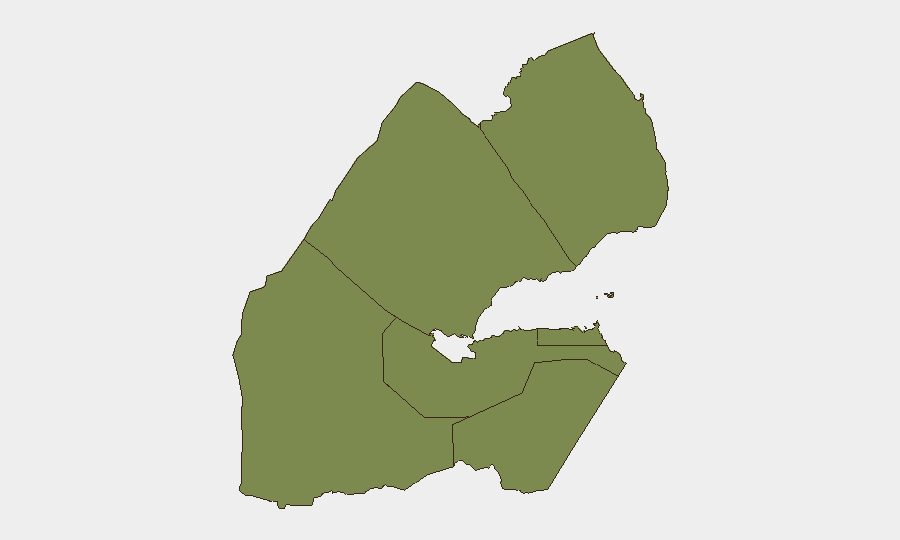
All six Djibouti regions (Dikhil, Arta, Ali Sabieh, Tadjourah, Obock, and the capital Djibouti) share identical composite risk scores (1.4), indicating geographically distributed and undifferentiated threat exposure. This parity reflects nationwide exposure to terrorism cells, port and corridor vulnerabilities (particularly the Port of Doraleh and major transit routes), and spillover from Yemen and Somalia. Obock and Tadjourah, bordering Eritrea and Yemen respectively, face heightened transnational smuggling and militant infiltration risk; Djibouti city concentrates diplomatic, commercial, and military infrastructure—a potential targeting focus for regional actors.
How GeoBit Would Assist
Security teams with people or assets in Djibouti should deploy AOI Monitoring & Early Warning on key infrastructure (ports, diplomatic compounds, transport hubs) with persistent alerting for protest, militant activity, and maritime incidents. Intel Sweep and multi-language OSINT fusion (including X/Twitter, Telegram, and local Somali-language sources) enable rapid detection of emerging unrest or actor communications before mainstream reporting. Maritime & Aviation tracking combined with Network & Actor Analysis provide real-time visibility of vessel and personnel movement through the Red Sea corridor and identification of militant or smuggling networks active in the region.
7-Day Outlook
No imminent spike in Djibouti-specific incidents is forecast in the next 7 days based on current open-source signals, though regional maritime tensions and Yemen-related instability remain sources of secondary pressure. Continued monitoring for command-and-control activity by Al-Shabaab or ISIS-affiliated cells, port security incidents, or political friction tied to external actors (Iran, Saudi Arabia, Ethiopia) is warranted. A return to baseline vigilance posture is appropriate absent new trigger events.
Highest-Risk Areas — Ranked
| # | State / Region | Risk |
|---|---|---|
| 1 | Dikhil | 1.4 |
| 2 | Arta | 1.4 |
| 3 | Ali Sabieh | 1.4 |
| 4 | Tadjourah | 1.4 |
| 5 | Obock | 1.4 |
| 6 | Djibouti | 1.4 |
Sources
Previous Daily Briefs
A new Djibouti brief is written every day — each with its own risk map and downloadable CSV. Here's the last week; use the calendar to go further back.
📅 Browse every day by calendar →
Highlighted days have a brief. Tap a day for that day's map & analysis, or “csv” for that day's dataset ($5).
Atlas — our AI intelligence desk — emails them this snapshot personally. Nothing else, no list.