Situation Summary
Greece remains a moderate-tier global security concern (#123 globally, composite score 7) with elevated political violence risk concentrated in Central Greece and Attica. A coordinated firebomb attack on ruling-party officials in Thessaloniki on 1 July, resulting in one death and multiple injuries, has triggered a nationwide counter-terrorism mobilization and intensified concern over far-left militant activity. Concurrent wildfire activity (98 fires in 48 hours, 20 arrests) and infrastructure disruption, combined with routine urban crime in Athens, present a layered operational-security challenge for corporate presence in the country.
Key Developments
- Thessaloniki firebomb attack investigation (1 July, ongoing): Three coordinated incendiary devices targeted homes of New Democracy party members pre-dawn 1 July; one 70-year-old victim died of severe burns, ND parliamentary candidate Afroditi Nestora among injured; counter-terrorism services conducting CCTV review and suspect tracking with no arrests announced as of 6 July.
- Prime ministerial security posture (4–5 July): PM Kyriakis Mitsotakis publicly pledged zero tolerance and pledged suspects would be "treated as ordinary criminals"; rhetoric signals intensified law-enforcement response and possible further detention/arrest activity in coming days.
- Counter-terrorism manhunt (5–6 July): Security and counter-terrorism units are actively tracking suspects in far-left or anarchist militant networks believed linked to Thessaloniki attack; risk of secondary incidents or raids remains elevated.
- Wildfire and arson enforcement spike (last 48 hours to 5 July): Government reported 98 fires and 20 arrests in 48-hour window; year-to-date 164 fire-related arrests (151 negligence, 13 intentional arson) underscore infrastructure disruption and blocked travel-route risk, particularly in forested regions.
- Russian prank-call breach of national security adviser (early July, reported 5–6 July): Pranksters "Vovan and Lexus" posed as foreign officials and contacted Thanos Dokos (National Security Adviser); incident raised public concern over communications-security vulnerabilities in state structures.
- Athens travel-risk discussion (4–6 July): Social-media and news commentary flagged Omonia district and central transit zones for pickpocketing and petty crime; renewed emphasis on traveler vigilance in light of political violence and routine urban crime.
Highest-Risk Areas
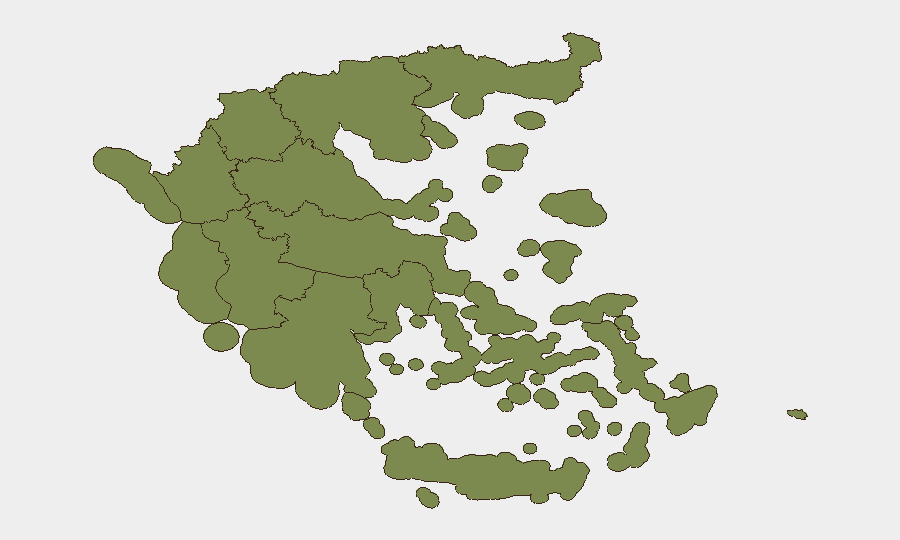
Central Greece (31.5 score) and Attica (21) drive the majority of tracked risk, with the Thessaloniki firebomb attack and ongoing counter-terrorism investigation anchoring Central Greece's elevated status. South Aegean (18.4) and Central Macedonia (11.9) follow, reflecting secondary event clustering. Remaining regions fall below 6 points. The concentration reflects both the intensity of the 1 July attack and the political and security-service response radiating from northern urban centers; Attica's score reflects Athens-based crime and infrastructure risk.
How GeoBit Would Assist
Corporate security teams with Greek operations should deploy Intel Sweep and multi-language OSINT to monitor Telegram, X, and Greek-language forums for emerging threat signals tied to far-left or anarchist networks and counter-terrorism raids. AOI Monitoring & Early Warning on Thessaloniki, Athens, and wildfire-prone regions in Central Greece will provide real-time alerting on new incidents, protest activity, or transport disruption. Routing & Network Analysis can model safe travel corridors and alternative routes around wildfire zones and high-crime districts, supporting duty-of-care decision-making for staff movement and supply chains.
7-Day Outlook
Counter-terrorism activity and possible arrests in the Thessaloniki network are likely to intensify over the next 5–7 days, with elevated security-force presence and potential secondary incidents (raids, confrontations) in Thessaloniki and Athens. Wildfire season will remain active; travel disruption and air-quality impacts should be monitored. Political rhetoric and public concern over terrorism may drive additional public statements or symbolic protests; the risk of secondary attacks remains elevated but unquantified pending investigation progress.
Highest-Risk Areas — Ranked
| # | State / Region | Risk |
|---|---|---|
| 1 | Central Greece | 31.5 |
| 2 | Attica | 21 |
| 3 | South Aegean | 18.4 |
| 4 | Central Macedonia | 11.9 |
| 5 | Epirus | 5.4 |
| 6 | Ioanian Islands | 4.1 |
| 7 | Western Greece | 2.8 |
| 8 | Thessaly | 2.8 |
| 9 | Western Macedonia | 1.5 |
| 10 | Eastern Macedonia and Thrace | 1.5 |
| 11 | Peloponnese Region | 1.5 |
| 12 | Autonomous Monastic State of the Holy Mountain | 1.5 |
Sources
Previous Daily Briefs
A new Greece brief is written every day — each with its own risk map and downloadable CSV. Here's the last week; use the calendar to go further back.
📅 Browse every day by calendar →
Highlighted days have a brief. Tap a day for that day's map & analysis, or “csv” for that day's dataset ($5).
Atlas — our AI intelligence desk — emails them this snapshot personally. Nothing else, no list.