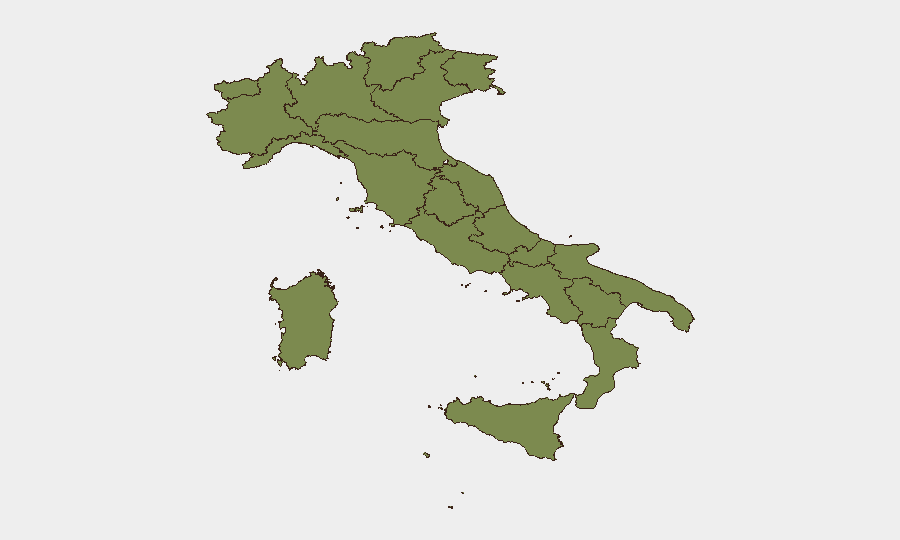
Situation Summary
Italy remains a composite threat level 6 globally (rank #126), with 358 tracked events, but internal risk is highly concentrated in Lazio and Umbria—driven by ongoing espionage activity, organized crime, and civil unrest. A newly enacted Public Security Decree (D.L. 23/2026) introducing expanded police powers and harsher penalties entered force this week, creating near-term friction with opposition and civil-rights groups and raising protest risk. Critical infrastructure—particularly rail systems in the South—faces active sabotage pressure, while diplomatic tensions with Russia remain elevated following expulsions of military attachés. The overall trajectory is toward heightened state securitization and localized instability in central/northern regions over the coming week.
Key Developments
- Calabria (San Lucido–Longobardo; Cutro–Isola di Capo Rizzuto), 14–15 July 2026: Deliberate cable theft/sabotage targeting fiber-optic and copper lines on railway infrastructure caused signaling and safety system failures, paralyzing rail traffic to Southern Italy. Paola Prosecutor's Office and Carabinieri are investigating a technically coordinated operation in low-surveillance areas.
- Northern Italy (multiple locations), recent days through 15 July 2026: Railway authorities report cable-cut incidents similar to the Calabria case in northern regions, indicating a pattern of coordinated infrastructure targeting across rail networks.
- Rome, 14–15 July 2026: Italian government confirmed expulsion of two Russian Embassy military attachés over alleged espionage involvement; Foreign Minister Tajani's public statement has amplified counter-intelligence posture and heightened scrutiny of foreign state actors.
- National, 16 July 2026 (entry into force "this week"): Decree on Public Security (D.L. 23/2026) converted to law and entered enforcement, introducing 14 new criminal offenses, expanded police powers (including 12-hour preventive detention for security risks), and heavy fines for unauthorized protests. Opposition parties, magistrates, civil-rights groups, and UN experts warn of constitutional violations, raising protest/political-instability risk.
- National (youth security), 16 July 2026: New measures extend preventive detention to minors and expand local police authority, concurrent with broader public-security law; ground application now underway.
- Rome & northern regions, through 15 July 2026: Recent espionage arrests and sustained intelligence focus on nation-state threats coincide with assessed organized-crime activity and civil-unrest pressures in Lombardy and Umbria, concentrating risk in central/northern Italy.
- Northern Italy (Alpine zone), 13–15 July 2026: Large-scale wildfire active for ~10 days destroyed hundreds of hectares in past 24 hours, straining regional emergency capacity and affecting transportation and critical infrastructure.
- National (cyber-espionage alerts), 14–15 July 2026: Security agencies amplified warnings on government and critical-infrastructure cyber-espionage risk and unauthorized access, driving institutional security-protocol tightening.
Highest-Risk Areas
Lazio (32.4) and Umbria (20.8) dominate the risk profile, driven by espionage activity, organized-crime networks, and political/civil-unrest pressures in Rome and its surrounding regions. Emilia-Romagna (8.4) and Lombardy (6.6) rank third and fourth, reflecting organized-crime and civil-order friction relevant to the new Public Security Decree implementation. Southern regions (Sicily, Apulia, Campania) remain lower-ranked but face acute infrastructure-security risk from coordinated rail sabotage. The concentration of top risk in the center-north reflects intelligence, diplomatic, and law-enforcement activity rather than dispersed violence.
How GeoBit Would Assist
Security teams should deploy Intel Sweep, global event feeds, and multi-language OSINT to monitor espionage and cyber-threat developments tied to diplomatic expulsions and government institutions. AOI Monitoring & Early Warning on Lazio, Umbria, Lombardy, and key Calabrian rail corridors will detect emerging civil unrest, infrastructure incidents, and organized-crime activity as the Public Security Decree takes effect. Routing & Network Analysis supports alternative transport planning given active rail-sabotage risk and wildfire impacts in northern zones.
7-Day Outlook
The Public Security Decree's ground implementation will likely trigger opposition protests and legal challenges, concentrating civil-order risk in Rome and major northern cities through the coming week. Rail infrastructure sabotage may continue absent rapid interdiction; wildfire suppression and emergency-capacity strain will persist. Diplomatic and cyber-espionage tension with Russia will sustain heightened institutional vigilance but are unlikely to escalate into direct kinetic events.
Highest-Risk Areas — Ranked
| # | State / Region | Risk |
|---|---|---|
| 1 | Lazio | 32.4 |
| 2 | Umbria | 20.8 |
| 3 | Emilia-Romagna | 8.4 |
| 4 | Lombardy | 6.6 |
| 5 | Sicily | 5.8 |
| 6 | Marche | 5.5 |
| 7 | Veneto | 4.7 |
| 8 | Sardinia | 3.9 |
| 9 | Liguria | 3.9 |
| 10 | Aosta Valley | 3.1 |
| 11 | Apulia | 2.5 |
| 12 | Campania | 2.5 |
Sources
Previous Daily Briefs
A new Italy brief is written every day — each with its own risk map and downloadable CSV. Here's the last week; use the calendar to go further back.
📅 Browse every day by calendar →
Highlighted days have a brief. Tap a day for that day's map & analysis, or “csv” for that day's dataset ($5).
Atlas — our AI intelligence desk — emails them this snapshot personally. Nothing else, no list.