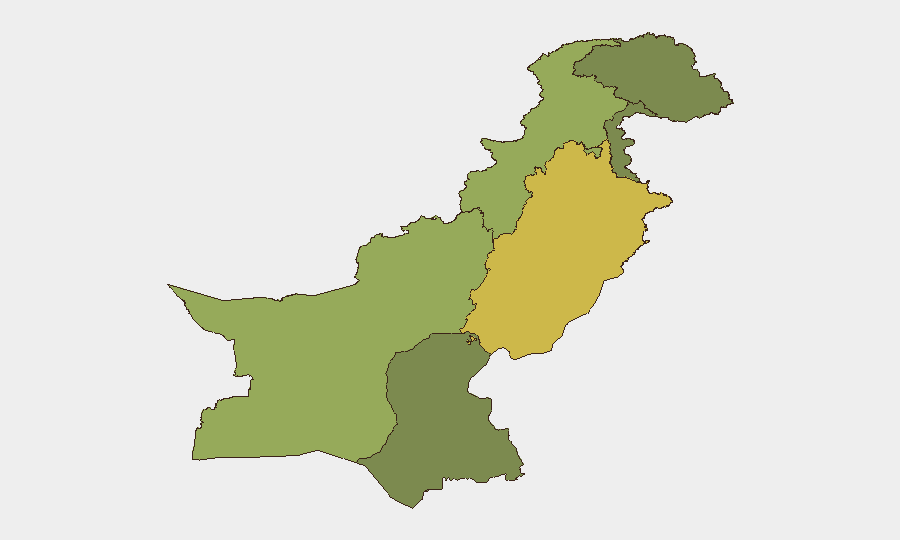
Situation Summary
Pakistan remains a mid-range composite security risk (rank 35 globally, score 56) marked by persistent militant activity in the northwest, ongoing counterterrorism operations, and recent diplomatic friction. Over the past 72 hours, Pakistani security forces have conducted major kinetic operations against militant networks, particularly in North Waziristan, while law enforcement has disrupted drone-procurement networks in Karachi. The threat environment is characterized by tactical terrorism (drone attacks, IED procurement) and state-level diplomatic tension rather than systemic state collapse, but elevated activity in Punjab and Islamabad warrants continued monitoring.
Key Developments
- North Waziristan (Miran Shah area), 14–16 June — Pakistani military reported killing 48 militants over 72 hours, including four wanted commanders, in intelligence-based operations; weapons and ammunition recovered indicated involvement in attacks on security personnel and civilians.
- Karachi, Sindh, 14–16 June — Sindh Counter Terrorism Department arrested a suspected TTP (Tehrik-i-Taliban Pakistan) operative accused of procuring drone parts, batteries, electronics, and explosive-making materials from local markets and online vendors; indicates ongoing supply-chain risk for unmanned systems.
- Khyber Pakhtunkhwa (border region), 14–16 June — Reporting tied North Waziristan operations to an intensified counterterrorism campaign amid elevated militant activity; quadcopter and drone tactics have been documented in recent attacks on police and security forces.
- Pakistan (official security statements), 15–16 June — Military and law enforcement issued public statements characterizing recent operations as a major blow to the TTP network; social media amplified claims of 21 militants killed in 72 hours in North Waziristan.
- Diplomatic friction (national), 16 June — Pakistan reduced relations with the United States and rejected overtures from Iran; Prime Minister issued a public statement; Attorney General disapproved of unnamed action. Specific drivers remain unclear from available reporting but suggest bilateral tensions affecting the security posture.
Highest-Risk Areas
Punjab (68.8) and Islamabad Capital Territory (44.6) carry the highest composite risk scores, driven by population density, governance complexity, and urban crime vectors including robbery and organized violence. Khyber Pakhtunkhwa (41.4) and Balochistan (42.3) remain persistently threatened by militant activity, particularly TTP operations, drone tactics, and asymmetric violence; North Waziristan exemplifies this pattern. Sindh (39.5) faces terrorism-linked supply-chain disruption and urban terrorism risks, as evidenced by the Karachi drone-parts seizure. The spread of risk across multiple provinces indicates no single geographic containment; teams with personnel or logistics in Punjab and the capital should exercise elevated vigilance.
How GeoBit Would Assist
Security teams managing Pakistan operations should employ Area-of-Interest Monitoring & Early Warning on Punjab, Islamabad, and Khyber Pakhtunkhwa to detect accumulation of militant activity, protest movements, or crime escalation before they affect specific facilities. OSINT feeds (X/Telegram, public statements, entity extraction) and conflict/terrorism search capabilities provide real-time tracking of TTP and allied militant statements, supply-chain disruption, and official security announcements. Network & Actor Analysis mapped against the TTP supply chain (drone procurement, weapons, IED materials) enables risk profiling of logistics corridors and vendor ecosystems.
7-Day Outlook
Sustained Pakistani counterterrorism operations in the northwest are likely to continue, with drone threats remaining active in contested areas and urban centers. Diplomatic tension with the United States and Iran may reduce government focus on civil-order issues and increase border volatility. Corporate security teams should expect persistent tactical terrorism risk (not strategic collapse) and monitor travel corridors, supply chains, and facility security postures in Punjab and Islamabad through mid-to-late June.
Highest-Risk Areas — Ranked
| # | State / Region | Risk |
|---|---|---|
| 1 | Punjab | 68.8 |
| 2 | Islamabad Capital Territory | 44.6 |
| 3 | Balochistan | 42.3 |
| 4 | Khyber Pakhtunkhwa | 41.4 |
| 5 | Sindh | 39.5 |
| 6 | Azad Kashmir | 39 |
| 7 | Gilgit-Baltistan | 38.8 |
Sources
Previous Daily Briefs
A new Pakistan brief is written every day — each with its own risk map and downloadable CSV. Here's the last week; use the calendar to go further back.
📅 Browse every day by calendar →
Highlighted days have a brief. Tap a day for that day's map & analysis, or “csv” for that day's dataset ($5).