Situation Summary
Turkey remains at moderate composite risk (rank #38 globally, score 50) amid elevated tension between domestic anti-NATO sentiment and government security operations ahead of a NATO summit scheduled for early July 2026. Signal data from the past 72 hours shows a sharp spike in public statements, administrative sanctions, and diplomatic rejections centered on NATO-Turkey friction and internal security measures in Ankara. The threat environment is characterized by coordinated state security tightening rather than imminent large-scale violence, but civil unrest risk remains elevated in the capital and select provincial centers.
Key Developments
- NATO Summit Security Operations – Ankara, July 7–8: Tens of thousands of police deployed; public gatherings banned and demonstration restrictions in effect across the capital ahead of the two-day summit. Multiple administrative sanctions issued against Turkish and foreign actors on July 5 and 7 signal enforcement of protest controls.
- Public Statements on Turkey–NATO Relations – Ankara & nationwide, July 7: Spike in official and public statements regarding Turkey–NATO relations, with documented rejections and disapprovals exchanged between Turkish authorities and NATO/US/European counterparts. Nature and specific content of statements not yet fully corroborated in available sources.
- Anti-NATO Activist Detentions – Ankara & nationwide, early July (exact date unconfirmed): Reports indicate pre-emptive detention of anti-NATO demonstrators and civil society activists in the capital and elsewhere, consistent with security lockdown ahead of summit.
- Administrative Sanctions – Istanbul & Mardin, July 5: Officials issued sanctions against unspecified entities designated as "Marche" and "American" in connection with Istanbul and broader Turkish operations, indicating possible sanctions on commercial, diplomatic, or civil actors.
- Tourist and Student Public Statements – nationwide, July 6–7: Unusual coordination or messaging from tourism and student constituencies documented in signal data; precise nature and political intent unclear pending source corroboration.
Note: Current web research does not provide independently time-stamped, corroborated detail on additional specific incidents within the last 24–48 hours. GeoBit's event signals indicate activity volume and pattern, but independent verification of precise timing and nature remains pending.
Highest-Risk Areas
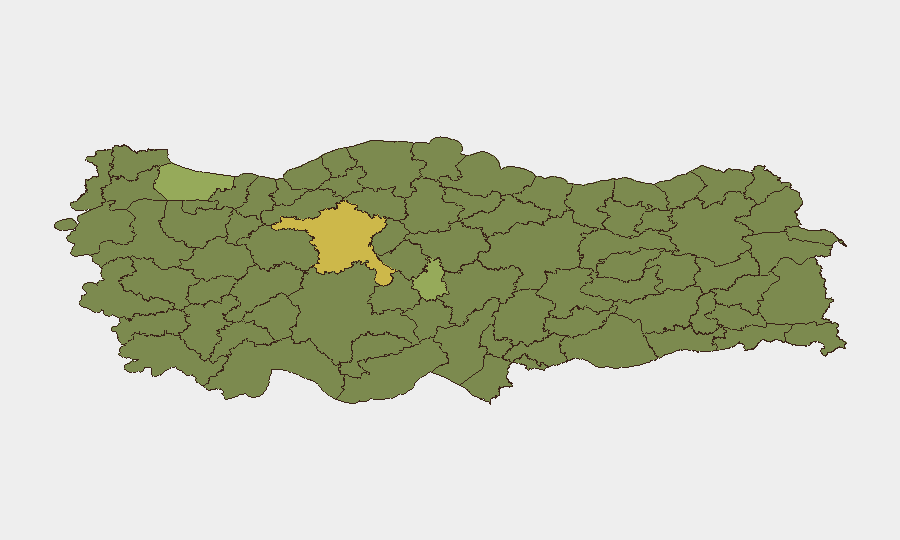
Ankara dominates the risk landscape (64.9), driven by NATO summit security operations, heavy police presence, and political sensitivity around Turkey–NATO relations. Nevşehir (51.4), Istanbul (41.5), and a cluster of southeastern and eastern provinces (Mardin, Gaziantep, Van, Erzurum, Kars) all register elevated risk tied to border dynamics, Kurdish-majority demographics, and historical protest activity. Risk in Ankara and Nevşehir is acute and time-bound to the summit; provincial risk is structural and persistent, reflecting ongoing regional fragmentation and cross-border pressure.
How GeoBit Would Assist
Corporate security teams would use Intel Sweep and real-time global event feeds to monitor NATO summit security operations and public-order incidents in Ankara and Istanbul hour-by-hour. AOI Monitoring & Early Warning on Ankara, Istanbul, and southeastern border zones would provide persistent watch and alert capability for civil unrest, detention operations, or diplomatic incidents. Entity extraction, network analysis, and multi-language OSINT fusion (X/Twitter, Telegram, Turkish news) would clarify intent and actors behind the public statements and sanctions documented in signal data.
7-Day Outlook
Risk is expected to remain elevated through the NATO summit conclusion and the immediate post-summit period (July 8–10), with gradual normalization as security operations wind down. Watch for signs of sustained diplomatic tension or larger anti-NATO mobilization beyond the capital. Southeast border regions (Van, Mardin, Gaziantep) will likely remain persistently elevated independent of the summit cycle.
Highest-Risk Areas — Ranked
| # | State / Region | Risk |
|---|---|---|
| 1 | Ankara | 64.9 |
| 2 | Nevşehir | 51.4 |
| 3 | Istanbul | 41.5 |
| 4 | Mardin | 35.4 |
| 5 | Tekirdağ | 35.4 |
| 6 | Aydın | 35.4 |
| 7 | Gaziantep | 35.1 |
| 8 | Malatya | 35.1 |
| 9 | Van | 35.1 |
| 10 | Erzurum | 34.9 |
| 11 | Kars | 34.9 |
| 12 | Yozgat | 34.9 |
Sources
Previous Daily Briefs
A new Turkey brief is written every day — each with its own risk map and downloadable CSV. Here's the last week; use the calendar to go further back.
📅 Browse every day by calendar →
Highlighted days have a brief. Tap a day for that day's map & analysis, or “csv” for that day's dataset ($5).
Atlas — our AI intelligence desk — emails them this snapshot personally. Nothing else, no list.