Situation Summary
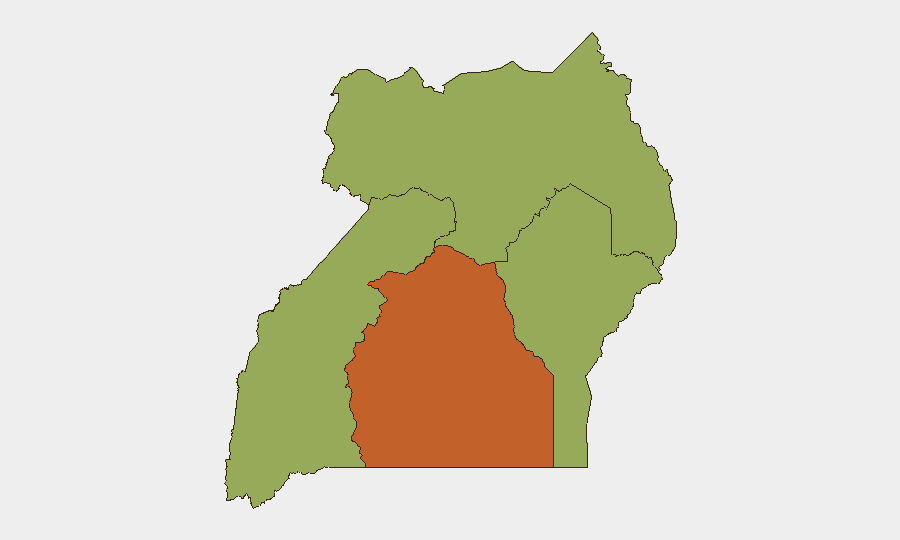
Uganda remains at moderate composite risk (#25 globally, score 65) but is experiencing a sustained, high-intensity security campaign centered on arrests, raids, and enforcement operations nationwide. The Central Region dominates risk exposure (75.7), driven by Kampala-based political tensions, targeted action against government critics, and armed security operations in commercial zones. Recent institutional strain—including the resignation of the Human Rights Commission chair—coupled with presidential rhetoric endorsing tougher security measures, suggests an environment in which enforcement practices are escalating and civil-society space is contracting.
Key Developments
- Kampala, 29 Jul (morning): President Museveni issued a public statement defending ongoing security operations against "criminal and impunity networks," explicitly signaling continuation of high-intensity nationwide arrests and raids. This statement provides top-level endorsement for sustained enforcement.
- Kampala Central Business District (Kiseka Market, Aga Khan Road), 27 Jul (afternoon/evening, reported 28–29 Jul): Plain-clothes security operatives in an unmarked minibus engaged traders at the Original Kiseka Spare Parts Centre, firing live rounds in the air for approximately one hour and forcing business closures across the commercial corridor. Police confirmed involvement and stated shots were fired during suspect arrests.
- Kampala (residence of Miria Matembe), 27 Jul (morning, ~10:00 a.m.): A joint security team raided the home of former Ethics and Integrity Minister Miria Matembe, a prominent government critic. The operation signaled intensified pressure on dissenting political figures and vocal civil-society actors.
- Nationwide, 13–26 Jul (figures released 27 Jul): Uganda Police reported 1,711 arrests across multiple districts during a two-week enforcement surge covering violent crime and gang activity, indicating a sustained country-wide security operation likely to increase checkpoint density and random detention risk for travelers.
- Madi-Okollo District (West Nile), 25 Jul (reported 27 Jul): Police conducted joint operations against illegal charcoal production, resulting in multiple seizures and eight arrests as part of a broader commercial ban in northern and northeastern Uganda, creating potential friction with local transporters and communities.
- National (Health Status), 28 Jul: Uganda's Ministry of Health declared the country officially Ebola-free after completing a 42-day monitoring period with zero new cases. This removes Ebola-specific travel restrictions, though neighboring DRC remains highly affected and general health advisories remain active.
Highest-Risk Areas
Central Region (75.7) dominates risk, reflecting Kampala's role as the political and security epicenter. The capital is currently experiencing targeted raids against opposition figures, armed operations in high-traffic commercial zones, and a visible security presence supporting ongoing nationwide arrests. Western Region (54.9) and Eastern Region (50.8) remain elevated, likely reflecting spillover from internal displacement, criminal networks, and cross-border dynamics. Northern Region (46.7) carries lower risk but remains subject to environmental-crime enforcement and periodic cross-border tensions.
How GeoBit Would Assist
Security teams should deploy AOI Monitoring & Early Warning on Kampala's central business districts and the residences or offices of monitored personnel to track security-force activity and detention risk in real time. OSINT fusion and sentiment analysis on Uganda Police statements, Presidential rhetoric, and civil-society reporting will provide early signals of policy shifts that presage operational intensity. Routing & Network Analysis should be used to identify alternative routes through Kampala and northern Uganda that avoid high-checkpoint corridors and areas of active enforcement.
7-Day Outlook
Enforcement intensity is likely to remain elevated through early August, with sustained checkpoint activity, periodic raids in Kampala's business and residential zones, and continued nationwide arrests. No imminent large-scale security crisis is signaled, but the combination of presidential endorsement, institutional changes at oversight bodies, and targeted action against critics indicates a hardening security environment with elevated risk for opposition actors, journalists, and civil-society figures. Commercial disruption in Kampala should be expected as operations continue.
Highest-Risk Areas — Ranked
| # | State / Region | Risk |
|---|---|---|
| 1 | Central Region | 75.7 |
| 2 | Western Region | 54.9 |
| 3 | Eastern Region | 50.8 |
| 4 | Northern Region | 46.7 |
Sources
Previous Daily Briefs
A new Uganda brief is written every day — each with its own risk map and downloadable CSV. Here's the last week; use the calendar to go further back.
📅 Browse every day by calendar →
Highlighted days have a brief. Tap a day for that day's map & analysis, or “csv” for that day's dataset ($5).
Atlas — our AI intelligence desk — emails them this snapshot personally. Nothing else, no list.