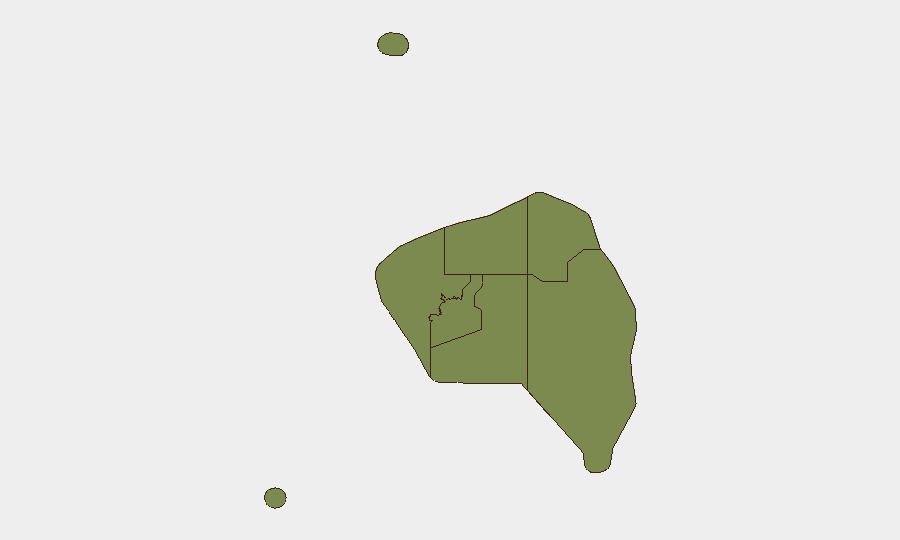
Situation Summary
Fiji's security environment remains stable with no verified major incidents, civil unrest, or travel disruptions reported in the past 24–48 hours. The threat landscape is characterized by routine political discourse and governance developments rather than active physical security events. Sub-national risk concentration in the Central region (composite score 31.3) reflects ongoing political and administrative activity in Suva, while Eastern, Northern, Western, and Rotuma divisions remain at baseline risk levels (1.3). Seismic activity—three earthquakes ranging M 4.2–5.1 south of the islands and near Levuka in late July—presents a secondary environmental hazard but has not triggered reported disruptions to critical infrastructure or travel corridors.
Key Developments
- Suva – 29 July 2026: Fiji's Republic of Fiji Military Forces announced Exercise Bougainville 2026, a planned national readiness drill scheduled 7–28 August, covering disaster response, civil unrest, terrorism, and maritime security. This is a training activity and does not reflect active incident response.
- Countrywide – 29–30 July 2026: Open-source security aggregators and multi-source event monitoring (news, official channels, social signals) report no new operational security incidents, criminal escalations, or infrastructure failures in the 24–48 hour window. Political discourse remains active in Suva but has not materialized into physical disruptions.
- Suva Port – Ongoing investigative follow-up (incident occurred May–June 2026): Fiji Sun reporting on 29 July noted continued investigation into theft of approximately FJD 500,000 worth of imported kava from port containers, with suspects questioned. While the thefts are historical, the active investigation underscores documented security gaps in containerized cargo handling at the port.
- Sigatoka – Late July 2026: Post-mortem findings clarified that a police officer's death was attributable to natural causes linked to a pre-existing medical condition; foul play was ruled out and the case is not being treated as criminal. This outcome removes rather than adds to local security concern.
Highest-Risk Areas
The Central division—encompassing Suva, the national capital—accounts for the vast majority of tracked risk (31.3 composite score), driven by political and administrative concentration rather than acute violence or crime spikes. Eastern, Northern, Western, and Rotuma divisions all register at 1.3, indicating baseline or minimal security activity. Risk concentration in Central reflects the volume and sensitivity of governance, defence, and constitutional discussions occurring in the capital, particularly around regional security partnerships and upcoming military exercises. Operationally, this pattern suggests security and duty-of-care focus should center on Suva-based political monitoring and port-security oversight; outlying divisions present no elevated threat to corporate personnel or assets in the current 24–48 hour assessment window.
How GeoBit Would Assist
Security teams monitoring Fiji should leverage AOI Monitoring & Early Warning to establish persistent watch over Suva's political and port-security activity with automated alerting for escalation signals. Intel Sweep capabilities—combining global event feeds, X/Twitter and Telegram OSINT, and multi-language search with entity and sentiment analysis—enable real-time detection of civil unrest, labour disruptions, or infrastructure incidents. Risk & Threat Assessment modules, paired with Routing & Network Analysis, support dynamic duty-of-care contingency planning and alternative journey routing for personnel in Suva or transiting the port.
7-Day Outlook
Exercise Bougainville 2026 (7–28 August) will dominate the security calendar and may generate temporary localized military activity, road closures, or personnel mobilization; however, exercises of this type historically do not trigger security incidents in Fiji. Seismic monitoring should continue given recent M 4–5 activity; the risk of tsunami or significant infrastructure damage remains low but warrants standing awareness. Overall trajectory remains stable with no indicators of near-term escalation in civil unrest, crime, or geopolitical tension affecting corporate operations.
Highest-Risk Areas — Ranked
| # | State / Region | Risk |
|---|---|---|
| 1 | Central | 31.3 |
| 2 | Eastern | 1.3 |
| 3 | Northern | 1.3 |
| 4 | Western | 1.3 |
| 5 | Rotuma | 1.3 |
Sources
Previous Daily Briefs
A new Fiji brief is written every day — each with its own risk map and downloadable CSV. Here's the last week; use the calendar to go further back.
📅 Browse every day by calendar →
Highlighted days have a brief. Tap a day for that day's map & analysis, or “csv” for that day's dataset ($5).
Atlas — our AI intelligence desk — emails them this snapshot personally. Nothing else, no list.