Situation Summary
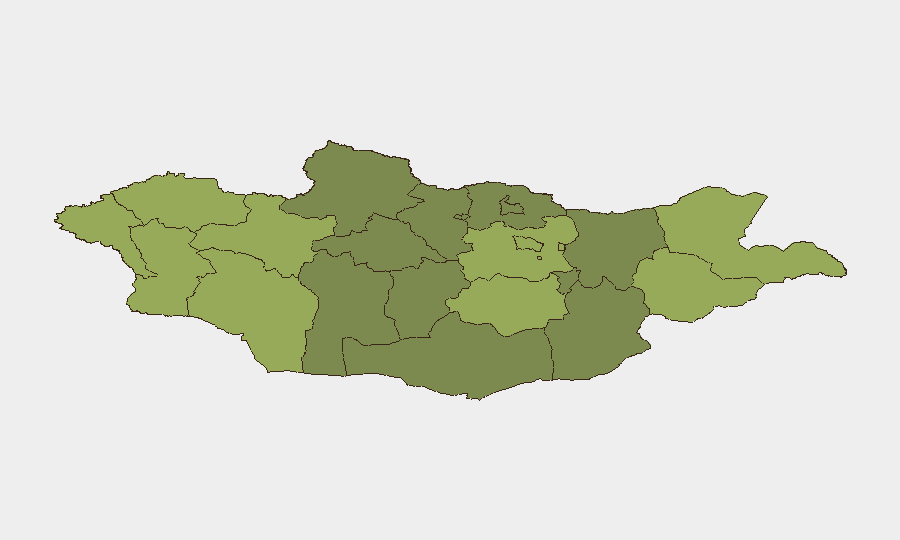
Mongolia remains in a period of general stability with a composite threat score of 4 and no critical incidents reported in the last 24–48 hours. Government activity has been the subject of recent public statements (2026-07-31), though specific operational details are not yet confirmed. The sub-national risk landscape is dominated by eastern and western border regions, while the capital Ulaanbaatar maintains elevated but manageable risk levels typical of a major urban center.
Key Developments
- Ulaanbaatar / nationwide (2026-08-01 to 2026-08-02): Weekly aggregate reporting indicates emergency and fire-service activity in the capital region during the prior week; no specific incident has been isolated or confirmed as an acute event in the last 48 hours.
- Government activity (2026-07-31): Public statements from government and Mongolia-related sources were issued; operational implications and scope remain unclear pending further clarification.
- No confirmed security incidents: Web research across local and international sources has not surfaced genuine new security developments, specific crime incidents, or transport disruptions within the requested 24–48 hour window.
- Border and regional baseline: Eastern and western border regions (Dornod, Sükhbaatar, Uvs, Khovd) continue to carry elevated risk scores relative to the national average, consistent with historical patterns; no fresh border incidents have been reported.
- Demonstration risk (baseline): Protests remain possible in Ulaanbaatar, but no active demonstration or civil unrest has been confirmed in the last two days.
Highest-Risk Areas
The eastern border region—Dornod (risk 58) and Sükhbaatar (risk 55)—presents the country's most acute risk profile, likely driven by cross-border dynamics, remote infrastructure, and limited state presence. Western regions (Uvs, Khovd, Bayan-Ölgii) follow, reflecting similar geographic and governance challenges. Ulaanbaatar (risk 45), while lower than peripheral regions, remains a focus for corporate operations and warrants monitoring of political activity, routine crime, and transport corridors. Risk in border and remote regions appears structural rather than event-driven; teams with assets or personnel in these areas should maintain baseline alertness and established contingency protocols.
How GeoBit Would Assist
Security teams should employ AOI Monitoring & Early Warning with persistent watches on high-risk eastern and western provinces to catch emerging incidents before they escalate. OSINT fusion (multi-language search, social-media intelligence, and sentiment analysis) would detect shifts in government activity, demonstration planning, or civil unrest before mainstream reporting. Routing & Network Analysis would enable duty-of-care teams to pre-plan alternative routes for personnel and supply movements, particularly in border regions and to/from Ulaanbaatar, avoiding real-time risk during disruptions.
7-Day Outlook
No acute threat trajectory has emerged. Mongolia is expected to remain stable over the next seven days, with routine risk baseline in border and remote regions and typical urban challenges in Ulaanbaatar. Continued monitoring of government communications and social-media sentiment is warranted to detect any shift toward public unrest or policy changes affecting corporate operations.
Highest-Risk Areas — Ranked
| # | State / Region | Risk |
|---|---|---|
| 1 | Dornod | 58 |
| 2 | Sükhbaatar | 55 |
| 3 | Uvs | 52 |
| 4 | Khovd | 50 |
| 5 | Bayan-Ölgii | 48 |
| 6 | Govi-Altai | 46 |
| 7 | Ulaanbaatar | 45 |
| 8 | Zavkhan | 44 |
| 9 | Töv | 42 |
| 10 | Dundgovi | 40 |
| 11 | Darkhan-Uul | 38 |
| 12 | Ömnögovi | 37 |
Sources
Previous Daily Briefs
A new Mongolia brief is written every day — each with its own risk map and downloadable CSV. Here's the last week; use the calendar to go further back.
📅 Browse every day by calendar →
Highlighted days have a brief. Tap a day for that day's map & analysis, or “csv” for that day's dataset ($5).
Atlas — our AI intelligence desk — emails them this snapshot personally. Nothing else, no list.