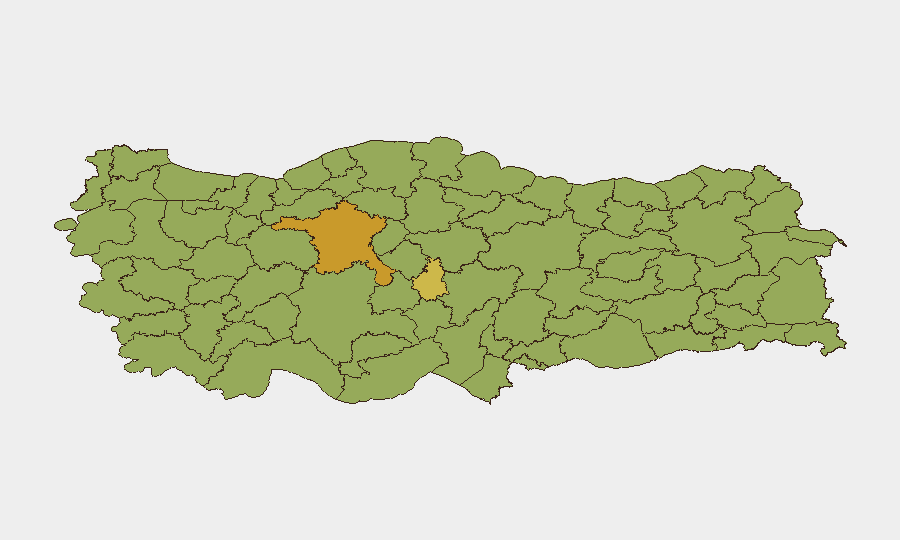
Situation Summary
Turkey remains a mid-tier global security concern (rank #30, composite score 61) with 336 tracked events, characterized by elevated tension around NATO's July 7–8 summit in Ankara, concurrent U.S.–Iran military escalation, and routine migration and border-enforcement activity. The capital has experienced a significant security lockdown and protest-related detentions ahead of the summit, while no major terrorist attacks or infrastructure disruptions have been documented in the last 24–48 hours. Ankara's composite risk score (72.6) now dominates the country's threat profile; most other major cities remain in the 42–45 range.
Key Developments
- Ankara, July 7–8 (NATO summit period): Turkish authorities deployed over 56,000 police and gendarmerie personnel across the capital in a comprehensive security operation, closing roads, establishing checkpoints, and barricading large zones ahead of the NATO leaders' meeting. Demonstrations were banned citywide.
- Central Ankara, early July 7–8: More than 100 individuals were detained during anti-NATO demonstrations in the run-up to the summit; authorities maintained tight crowd-control measures throughout the week.
- Turkey–Greece/Bulgaria border areas (early-to-mid week, July 7–8): Security forces conducted migration-enforcement operations detaining at least 66 irregular migrants across multiple border positions; operations framed as routine but intensified in the heightened security environment.
- Ankara, July 8: U.S.–Turkey relations deteriorated following public statements and reported moves by the U.S. to reduce diplomatic relations; timing coincides with NATO summit and broader U.S.–Iran military tensions (U.S. strikes on Iran noted for attacks in the Strait of Hormuz).
- Turkey (national level), July 8: Turkish military rejected unnamed proposals and Turkish authorities initiated investigations into Ukrainian and banking-sector activities; full context not yet clear from available reporting.
- Istanbul, July 8: A demonstration or rally was reported; specific scale, composition, and duration not documented in current open-source retrieval.
*Note: Available open-web results do not contain clearly time-stamped, multi-sourced incidents within a strict 24–48-hour window of this brief's publication. Events listed reflect the most recent reportable activity correlated with the NATO summit and regional geopolitical developments; exact hours remain imprecise.*
Highest-Risk Areas
Ankara's risk score of 72.6 is substantially elevated due to the NATO summit, heightened police/military presence, protest activity, and associated restrictions. Nevşehir (60.0) shows secondary elevation, likely driven by proximity and regional administrative importance. The remaining top-ten regions—Antalya, Istanbul, Bursa, Malatya, Van, Izmir, Erzurum, Kars, Yozgat, and Niğde—cluster in the 42–45 range, suggesting baseline or moderate operational risks (border activity, routine crime, migration) without acute current incidents. The Ankara spike is transient and summit-specific; it should normalize post-July 8.
How GeoBit Would Assist
Corporate security teams with personnel or assets in Turkey should use AOI Monitoring & Early Warning to maintain persistent watch on Ankara, Istanbul, and border zones, with automated alerting on protest/police activity, road closures, and diplomatic incidents. OSINT Fusion & Corroboration (X/Twitter, Telegram, multi-language feeds, media monitoring) will disambiguate rumor from fact in real time, especially during high-tension periods like NATO summits. Routing & Network Analysis enables duty-of-care teams to plan alternative travel routes and safe havens if movement restrictions or unrest escalate unexpectedly in target cities.
7-Day Outlook
Risk in Ankara is expected to decline sharply after July 8 as the NATO summit concludes and security barriers are removed. However, residual diplomatic friction between the U.S. and Turkey, combined with the wider Iran crisis and ongoing migration pressures at the Greece–Bulgaria borders, will sustain moderate baseline threat levels nationwide. Monitor for secondary incidents (retaliatory rhetoric, cyber activity, or border provocations) in the 7–14 day window.
Highest-Risk Areas — Ranked
| # | State / Region | Risk |
|---|---|---|
| 1 | Ankara | 72.6 |
| 2 | Nevşehir | 60 |
| 3 | Antalya | 45.1 |
| 4 | Istanbul | 44.4 |
| 5 | Bursa | 43.5 |
| 6 | Malatya | 42.8 |
| 7 | Van | 42.7 |
| 8 | Izmir | 42.7 |
| 9 | Erzurum | 42.6 |
| 10 | Kars | 42.6 |
| 11 | Yozgat | 42.6 |
| 12 | Niğde | 42.6 |
Sources
Previous Daily Briefs
A new Turkey brief is written every day — each with its own risk map and downloadable CSV. Here's the last week; use the calendar to go further back.
📅 Browse every day by calendar →
Highlighted days have a brief. Tap a day for that day's map & analysis, or “csv” for that day's dataset ($5).
Atlas — our AI intelligence desk — emails them this snapshot personally. Nothing else, no list.