Situation Summary
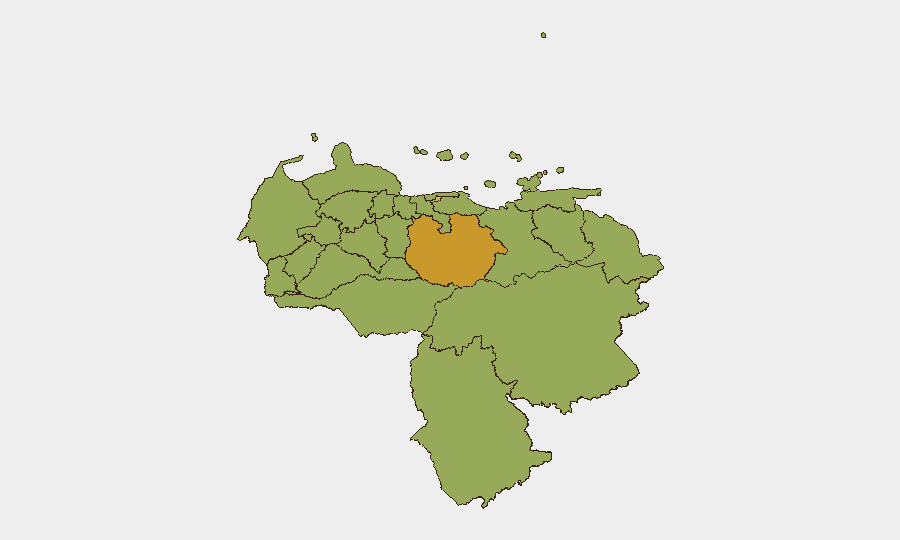
Venezuela is experiencing a severe acute security and humanitarian crisis following major earthquakes on 24 June, with ongoing aftershocks, extensive infrastructure damage, and a nationwide state of emergency in effect as of 28–29 June. Caracas and coastal regions (particularly La Guaira, Vargas State) remain focal points for active search-and-rescue operations and emergency response, with international urban search-and-rescue teams and humanitarian organizations deploying into damaged zones. Overall composite threat to Venezuela ranks #33 globally (score 60), but sub-national risk is highly concentrated in Guarico State (71.8) and the Federal District/Caracas area (62.8), both experiencing compounded earthquake impact, infrastructure strain, and elevated security friction during mass emergency operations.
Key Developments
- Caracas (Federal District) – 28–29 June 2026: Ongoing search-and-rescue operations and continued aftershocks reported; authorities maintaining cordons around severely damaged neighborhoods, generating heightened security presence, movement restrictions, and disruption to transport and basic services across the capital.
- La Guaira (Vargas State) – 28–29 June 2026: Video documentation shows extensive structural damage, thousands injured, and active search-and-rescue teams operating. World Food Programme mobilizing food-assistance logistics as operations transition from rescue to relief phase.
- Nationwide airports and transport hubs – 28–29 June 2026: Major airports operating irregularly or partially closed; flight suspensions and significant delays persisting; international travel advisories warn against non-essential movement and recommend shelter-in-place protocols for foreign nationals.
- International humanitarian response – 28–29 June 2026: Foreign urban search-and-rescue teams (U.S., Mexico, Chile, Colombia, others) confirmed active in Caracas; emergency medical teams and logistics chains scaling up across multiple regions to address overwhelmed local health facilities and high casualty loads.
- Nationwide state of emergency – 28–29 June 2026: Foreign travel advisories updated within past 48 hours warn of widespread infrastructure damage, possible airport closures, suspended flights, and severe disruption to utilities and health services.
- Military mobilization signal – 30 June 2026: GeoBit event signal flagged military mobilization (Venezuelan Armed Forces vs. Venezuelan entity); specific context requires further corroboration but aligns with nationwide emergency-response coordination.
Highest-Risk Areas
Guarico State and the Federal District (Caracas) drive the highest composite risk scores (71.8 and 62.8, respectively), reflecting acute earthquake damage, ongoing search-and-rescue operations, infrastructure strain, and congestion around emergency-aid distribution points. Vargas State (57.2) poses the second-highest sub-national risk, driven by coastal damage in La Guaira and surrounding municipalities, crowding at aid sites, and disrupted local services. Western and central states (Zulia, Barinas, Apure, Táchira) rank moderate-to-elevated (42–43 range), primarily reflecting pre-existing baseline instability and potential resource-scarcity stress during nationwide emergency response.
How GeoBit Would Assist
A corporate security team with personnel or assets in Venezuela should employ GeoBit's AOI Monitoring & Early Warning capability to maintain persistent watch on Caracas, La Guaira, and key infrastructure zones, with alerting for aftershocks, security incidents, or movement restrictions. Routing & Network Analysis would support alternative-journey planning for personnel extraction or resupply, accounting for airport closures, cordoned neighborhoods, and transport disruptions. Intel Sweep (global event feeds, X/Twitter OSINT, multi-language search, sentiment analysis) should be run on a 12–24-hour cycle to track humanitarian-organization updates, government emergency statements, and on-the-ground reporting that often precede formal advisories.
7-Day Outlook
The acute earthquake-response phase is expected to persist through early July, with aftershock risk remaining elevated and emergency cordons likely to remain in place around Caracas and La Guaira. International search-and-rescue operations should taper by early July, but transition to relief and reconstruction phases will sustain security friction, aid-site crowding, and service disruptions. Personnel travel into or within Venezuela should remain restricted to essential operations only; departure windows may narrow further if secondary structural failures or public-health complications emerge.
Highest-Risk Areas — Ranked
| # | State / Region | Risk |
|---|---|---|
| 1 | Guarico State | 71.8 |
| 2 | Federal District | 62.8 |
| 3 | Vargas State | 57.2 |
| 4 | Anzoategui State | 44.2 |
| 5 | Carabobo State | 43.9 |
| 6 | Miranda State | 43.8 |
| 7 | Zulia State | 42.2 |
| 8 | Barinas State | 42.2 |
| 9 | Apure State | 42.1 |
| 10 | Tachira State | 42.1 |
| 11 | Falcon State | 41.9 |
| 12 | Aragua State | 41.9 |
Sources
Previous Daily Briefs
A new Venezuela brief is written every day — each with its own risk map and downloadable CSV. Here's the last week; use the calendar to go further back.
📅 Browse every day by calendar →
Highlighted days have a brief. Tap a day for that day's map & analysis, or “csv” for that day's dataset ($5).