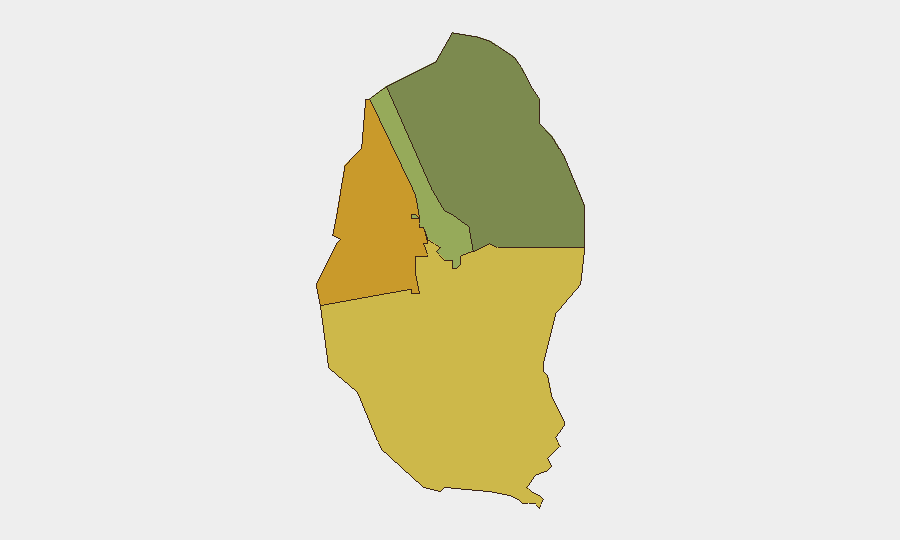
Situation Summary
Bahrain remains stable overall (global rank #43, composite threat score 44), but localized security pressures persist, particularly in the Northern and Southern Governorates where sectarian tensions and detention-related activism drive elevated risk scores. The past week saw three confirmed domestic incidents—a family homicide, petty theft, and a diplomatic condemnation of regional missile strikes—indicating routine crime and no escalation in organized violence. Regional maritime hazards, including projectile strikes on commercial vessels in adjacent waters, create indirect risk for shipping and supply chains serving Bahrain.
Key Developments
- 18 October — Unspecified residence, Bahrain: Authorities discovered the bodies of four Asian nationals (Pakistani couple and two daughters) following suspected criminal activity. The Interior Ministry opened an investigation; no further details have been released.
- 14 October — National-level diplomatic response: Bahrain's Foreign Ministry issued a formal condemnation of Houthi missile and drone attacks on Saudi civilian and economic infrastructure in the Riyadh, Dhahran, and Khamis Mushait regions. The statement underscores regional tension despite Bahrain's domestic stability.
- 13 October — Hamad Town, Northern Governorate: Police arrested a 38-year-old suspect accused of stealing more than BD9,000 from a residence. Officers recovered the funds and forwarded the case to Public Prosecution.
- 10 October — Askar area (Northern Governorate vicinity): A petroleum tanker caught fire en route; Bahrain Civil Defence extinguished the blaze with no reported injuries and diverted traffic safely.
- 10 October — Waters adjacent to Bahraini territory: The Panama-flagged MT On Peace was struck by a projectile outside Bahraini territorial waters, injuring 12 crew members. Attribution and intent remain unspecified in available reporting.
- Background context (7–10 October): Residents staged protests demanding the unconditional release of detained religious scholars and seminary professors, and two individuals (Hussain Mohammed Al Ghasra and Ahmed Mohammed Al Qubaiti) were arrested or detained in connection with activism; one detention order was set for one month. These reflect ongoing sectarian grievances in Northern Governorate.
Highest-Risk Areas
Northern Governorate (risk 72) and Southern Governorate (risk 68) drive Bahrain's internal risk profile, driven primarily by sectarian activism, detention cycles, and periodic protest activity. Capital Governorate (risk 45) and Muharraq Governorate (risk 38) present significantly lower threat levels. The concentration of elevated risk in the northern and southern regions reflects long-standing communal tensions and security-force presence rather than acute military or terror threats; organizations with staff or operations in these areas should maintain standard situational awareness and duty-of-care protocols.
How GeoBit Would Assist
Security teams should deploy AOI Monitoring & Early Warning on high-risk governorates to track protest formation, detention announcements, and activist statements in near real-time. Intel Sweep and X/Twitter OSINT capabilities would enable continuous scanning of local activist, judicial, and law-enforcement feeds to detect escalation in sectarian tensions or security operations. Risk & Threat Assessment modeling would help forecast the trajectory of detention-driven activism and identify secondary impacts on staff movement and supply-chain routing.
7-Day Outlook
No significant escalation is forecast over the next seven days. Routine criminal activity, sectarian activism, and regional maritime incidents are likely to persist at current baseline levels. Organizations should maintain standard protocols and monitor Northern Governorate developments closely, particularly around court proceedings and detention reviews.
Highest-Risk Areas — Ranked
| # | State / Region | Risk |
|---|---|---|
| 1 | Northern Governorate | 72 |
| 2 | Southern Governorate | 68 |
| 3 | Capital Governorate | 45 |
| 4 | Muharraq Governorate | 38 |
Sources
Previous Weekly Briefs
A new Bahrain brief is written every Monday, covering the week — each with its own risk map and downloadable CSV. Use the calendar to go further back.
- October 12, 2026
- October 5, 2026
- September 28, 2026
- September 21, 2026
- September 14, 2026
- September 7, 2026
- September 1, 2026
📅 Browse past briefs by calendar →
Highlighted days have a brief. Tap a day for that day's map & analysis, or “csv” for that day's dataset ($5).
Atlas — our AI intelligence desk — emails them this snapshot personally. Nothing else, no list.