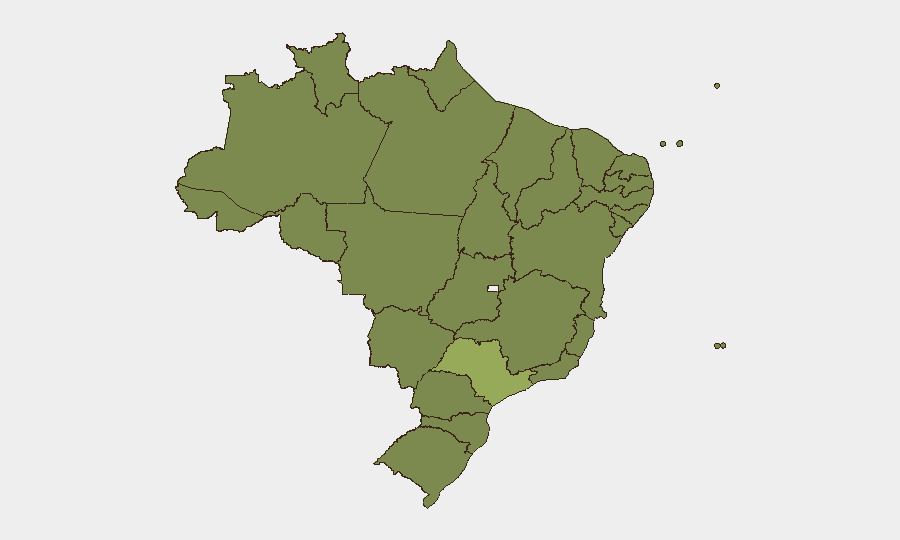
Situation Summary
Brazil remains in the #39 position globally (composite threat score 41) with 955 tracked security events. The security environment is fragmented by region, with São Paulo, Bahia, and Rio de Janeiro driving the majority of national risk. Recent signals (July 21–22) point to escalating small arms combat in São Paulo, prison-related violence, police-public friction, and institutional strain (judge–military tension, legislative sanctions). The trajectory suggests continued localized volatility rather than nationwide destabilization, but concentrated risk in urban centers and prison systems warrants close monitoring.
Key Developments
- 2026-07-21 · São Paulo · Small Arms Combat (multiple incidents): Gun violence recorded in São Paulo city and prison facilities on the same date; frequency suggests either gang conflict or operational police activity. Specific casualty, location, or actor details are not yet confirmed across independent sources.
- 2026-07-21 · Prison Violence: Distinct small arms combat signal within carceral system; consistent with periodic inter-faction violence in Brazilian federal and state prisons (a chronic pressure point).
- 2026-07-21 · Police Public Statement & Disapproval: Official police commentary coupled with voter/public disapproval signals; suggests either operational transparency announcement or reputational friction.
- 2026-07-21 · Corporate Rejection: Company–Brazilian entity rejection flagged; context unclear (contract, regulatory, joint venture dispute); geolocation and sector unknown.
- 2026-07-21 · Organized Crime (Gangdom) Rejection: Organized crime actor signaled rejection of an unnamed demand or policy; consistent with ongoing cartel/faction negotiations or turf disputes.
- 2026-07-21 · Legislative Sanctions: Administrative sanctions applied to deputy(ies); indicates internal institutional pressure or accountability action.
- 2026-07-22 · Judge–Military Tension: Conflict signal between judiciary and military; rare but significant; suggests either security-operation oversight dispute or institutional authority clash.
- 2026-07-22 · Rebel Public Statement: Unidentified rebel or resistance actor issued public communication; context and organization unclear.
Data Limitation: GeoBit's event signals lack specific actor names, casualty counts, operational context, and corroborating news sources as of this writing. Real-time confirmation requires cross-reference with Brazilian news outlets (G1, Folha de S.Paulo, O Globo, Estadão) and wire services (Reuters, AFP, AP).
Highest-Risk Areas
São Paulo dominates national risk (56.2), driven by urban gang activity, trafficking routes, and prison overcrowding. Bahia (39.9) and Rio de Janeiro (39.5) follow, both experiencing chronic favela-based violence, cartel competition, and state police engagement. Together, these three states account for the majority of small arms incidents and organized crime signals. Pará (36.3) and Minas Gerais (34.7) reflect Amazon illegal extraction, trafficking, and interior gang presence. Corporate and supply-chain operations in these five states face elevated exposure to robbery, kidnapping, extortion, and operational disruption.
How GeoBit Would Assist
Security teams would deploy Intel Sweep and X/Twitter & Telegram OSINT to track real-time gang communications, police operations, and prison disorder across high-risk states. AOI Monitoring & Early Warning (persistent watch on São Paulo, Rio, and Bahia) would flag emerging violence clusters, roadblocks, or protest activity 24–48 hours before mainstream media. Network & Actor Analysis would map gang factions, cartel leadership changes, and police institutional friction to anticipate operational flashpoints affecting staff, assets, or supply chains.
7-Day Outlook
Small arms activity and institutional tensions in São Paulo and Rio are likely to persist or intensify through late July, driven by ongoing cartel turf disputes and police enforcement operations. Prison violence may escalate if faction retaliation cycles continue. Judicial–military friction could signal emerging disputes over security operations, warranting watch for potential policy or operational shifts. No signals of nationwide unrest or systemic collapse; risk remains concentrated and operationally manageable if monitored.
Highest-Risk Areas — Ranked
| # | State / Region | Risk |
|---|---|---|
| 1 | São Paulo | 56.2 |
| 2 | Bahia | 39.9 |
| 3 | Rio de Janeiro | 39.5 |
| 4 | Pará | 36.3 |
| 5 | Minas Gerais | 34.7 |
| 6 | Pernambuco | 34.3 |
| 7 | Mato Grosso | 33.9 |
| 8 | Amapá | 32.3 |
| 9 | Mato Grosso do Sul | 31.5 |
| 10 | Ceará | 29.5 |
| 11 | Amazonas | 28.3 |
| 12 | Paraná | 27.5 |
Sources
Previous Daily Briefs
A new Brazil brief is written every day — each with its own risk map and downloadable CSV. Here's the last week; use the calendar to go further back.
📅 Browse every day by calendar →
Highlighted days have a brief. Tap a day for that day's map & analysis, or “csv” for that day's dataset ($5).
Atlas — our AI intelligence desk — emails them this snapshot personally. Nothing else, no list.