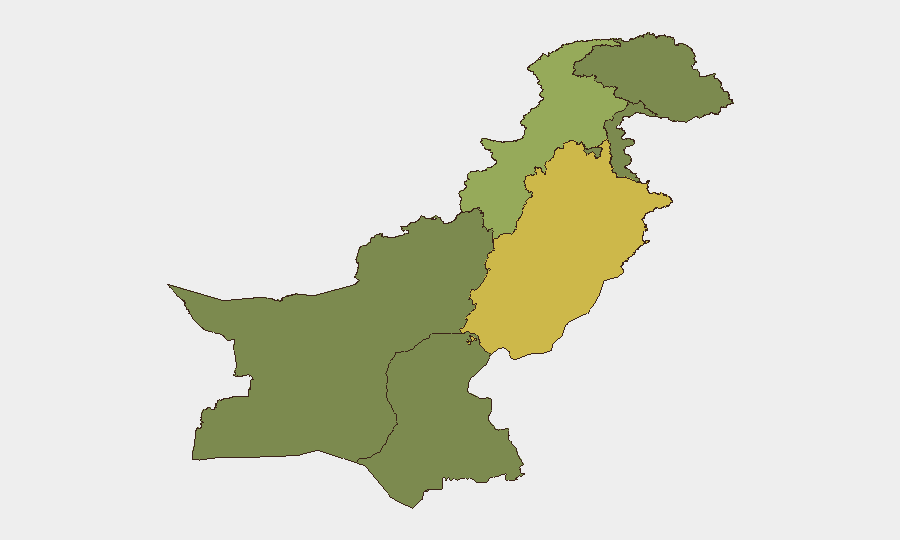
Situation Summary
Pakistan faces an acute, multi-front security crisis spanning militant attacks, cross-border drone strikes, and civil unrest across its highest-population and border regions. The past 48 hours have witnessed coordinated or near-simultaneous incidents—mining-site attacks, suicide bombings, alleged drone strikes, and terrorist arrests—indicating either heightened operational tempo or fragmented but concurrent threat activity. Major urban centres remain under elevated alert. The convergence of Taliban-linked cross-border operations, TTP resurgence, and law-enforcement procedural friction signals a deteriorating near-term security environment.
Key Developments
- Chagai district, Balochistan (21 June, reported 22 June): Armed militants attacked the Darigwar mining site operated by National Resources Limited, killing nine workers. Security forces secured the site within 24 hours, but the incident underscores persistent militant capability in resource-extraction zones.
- North Waziristan, Khyber Pakhtunkhwa (21–22 June): A suicide bombing targeting security forces killed at least 13 military and paramilitary personnel, with multiple wounded. The attack reflects ongoing TTP or allied militant operational reach in the tribal border belt.
- Khairpur district, Sindh (~21 June, reported 22 June): An alleged drone strike killed four civilians. The Sindh Inspector General suspended three station house officers and initiated a procedural investigation, suggesting possible law-enforcement involvement or coordination lapses.
- Attock, Punjab (22 June): Attock Refinery operations were restored after transport disruptions, following intervention by the Petroleum Minister and military General Headquarters. The incident highlights vulnerability of critical infrastructure to supply-chain and security disruptions.
- Shah Latif Town, Karachi (20–21 June): Pakistan Rangers arrested suspected TTP militant Javed Ali Khan, alleged to have links to multiple terrorism incidents in Khyber Pakhtunkhwa and the banned FAK/TTP network.
- Durand Line / KP & Balochistan border (22–23 June, emerging): Afghan Taliban-linked sources reported drone strikes inside Pakistani territory targeting alleged ISIS camps. Pakistani authorities are assessing cross-border implications and potential escalation vectors.
- Major urban centres—Islamabad, Rawalpindi, Lahore, Karachi (22 June): Federal authorities maintained elevated security and travel alerts, warning of heightened terrorism and civil-unrest threats, with further demonstrations possible in Kashmir.
Highest-Risk Areas
Punjab and Khyber Pakhtunkhwa together account for the largest share of tracked risk events and composite threat scores (62.1 and 47.5 respectively), driven by militant networks, TTP recruitment, and proximity to the Afghan border. Balochistan (39.0) remains volatile due to resource-site vulnerabilities, separatist and militant activity, and nascent cross-border drone operations. Islamabad Capital Territory (38.7) reflects urban terrorism and civil-unrest exposure. Sindh (37.1), despite lower ranking, carries elevated risk to commercial and diplomatic assets in Karachi and remains a TTP operational zone.
How GeoBit Would Assist
Security teams should deploy Intel Sweep and OSINT fusion to correlate militant social-media claims, cross-border Afghan Taliban statements, and Pakistani official responses—critical for distinguishing coordinated campaigns from opportunistic attacks. AOI Monitoring & Early Warning on the Durand Line and tribal-belt mining zones would provide persistent detection of cross-border drone activity and militant staging. Network & Actor Analysis on TTP and ISIS-linked cells, combined with Routing & Network Analysis for safe personnel movement and supply-chain resilience, directly support duty-of-care obligations.
7-Day Outlook
The next 7 days will likely see consolidation of security responses in Punjab and Khyber Pakhtunkhwa, with elevated checkpoint activity and military patrols. Cross-border drone activity is probable if Afghan Taliban operations continue; Pakistani retaliation or counter-insurgency sweeps may follow. Civil unrest and protest activity should be expected in major cities, particularly around Kashmir-related tensions.
Highest-Risk Areas — Ranked
| # | State / Region | Risk |
|---|---|---|
| 1 | Punjab | 62.1 |
| 2 | Khyber Pakhtunkhwa | 47.5 |
| 3 | Balochistan | 39 |
| 4 | Islamabad Capital Territory | 38.7 |
| 5 | Sindh | 37.1 |
| 6 | Azad Kashmir | 33.2 |
| 7 | Gilgit-Baltistan | 32.1 |
Sources
Previous Daily Briefs
A new Pakistan brief is written every day — each with its own risk map and downloadable CSV. Here's the last week; use the calendar to go further back.
📅 Browse every day by calendar →
Highlighted days have a brief. Tap a day for that day's map & analysis, or “csv” for that day's dataset ($5).