Situation Summary
The United Kingdom faces elevated near-term security risk driven by sustained violent crime in London, active counter-terrorism operations across multiple sites, and a GeoBit-flagged "active threat" signal indicating heightened arrest/detention activity and governance-related tensions between 11–13 July. While the UK's global composite threat score remains moderate (rank #126), England accounts for the overwhelming majority of domestic risk (32.1 vs. 3.7 in Northern Ireland), with London boroughs experiencing a concentration of homicides, stabbings, and police operations. Cyber infrastructure remains exposed following the University of Nottingham incident (455,000 records compromised), contributing to broader critical-infrastructure and higher-education sector vulnerability.
Key Developments
- London (Hackney), 13 July 2026: Metropolitan Police launched a murder investigation following the discovery of a woman's body; officers maintain active presence and appeal for public information.
- London (counter-terrorism), 13 July 2026: Counter Terrorism Policing London reported 12 arrests in connection with a suspected threat directed at an Islamic event in Suffolk, confirming ongoing terrorism-related investigations and heightened security operations.
- London (Hayes, West London), 13 July 2026: A man was arrested following a double stabbing that resulted in one fatality and one injury; a murder investigation is underway with expected disruption from policing activity.
- London (Wandsworth), 13 July 2026: Two individuals were charged in connection with a murder; court appearances and sustained local police/media attention are anticipated.
- London (Newham), 13 July 2026: A man pleaded guilty to his mother's murder, concluding a high-profile domestic homicide case and reinforcing violent-crime focus in the borough.
- London (security), 13 July 2026: GeoBit flagged an "active threat" signal against the UK, citing elevated arrest/detention activity involving state institutions and security actors; heightened public-order and governance risk is indicated for the near term.
- London (VIP security), 13 July 2026: Prince Harry's arrival for Invictus-related events is occurring amid a security dispute; family members did not travel, implying elevated protective security posture around related venues.
- United Kingdom (cyber), 11–13 July 2026: University of Nottingham data breach (455,000 records exposed) contributes to ongoing vulnerability in higher-education and critical-infrastructure sectors; credential compromise and exfiltration risks persist.
Highest-Risk Areas
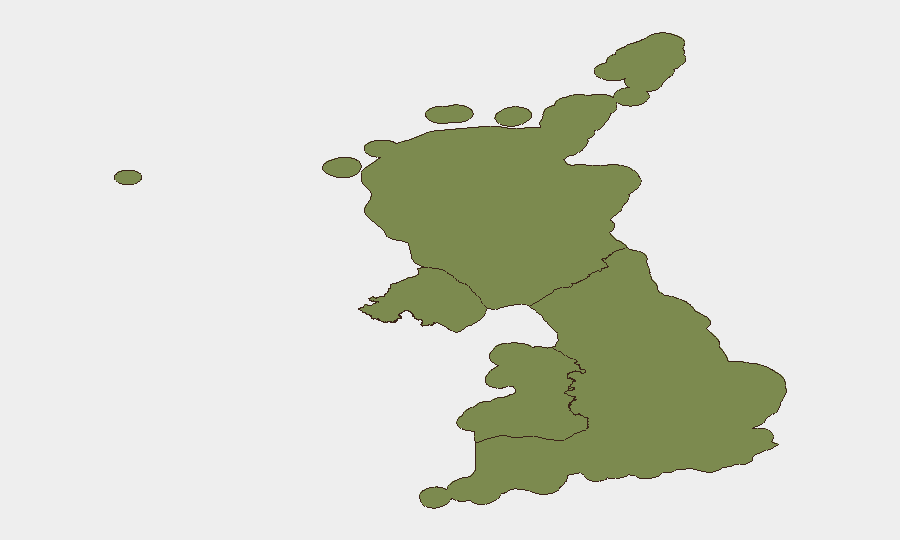
England dominates the sub-national threat landscape, with a composite score of 32.1—more than eight times that of Northern Ireland (3.7) and substantially higher than Scotland (2.3) and Wales (2.1). Within England, London's five boroughs (Hackney, Hayes, Wandsworth, Newham, and Newham) are the primary loci of violent crime, counter-terrorism activity, and police operations. The concentration reflects both underlying crime trends and active investigations into homicides and terrorism-related threats; the latter, particularly the Suffolk-linked Islamic-event threat and associated arrests, introduces an ideological dimension beyond routine street violence.
How GeoBit Would Assist
Corporate security and duty-of-care teams should employ Intel Sweep and global event feeds to maintain real-time tracking of ongoing investigations and arrest activity in high-risk London boroughs; OSINT fusion and entity extraction to map networks associated with counter-terrorism investigations; and AOI Monitoring & Early Warning with persistent alerts on Hackney, Hayes, Wandsworth, and Newham to flag further incidents. Cyber risk search and critical-infrastructure monitoring would enable teams to assess exposure to University of Nottingham breach fallout and track higher-education sector compromise trends. Network & Actor Analysis would contextualize the "active threat" signal and governance-tension indicators reported by GeoBit.
7-Day Outlook
Violent crime and murder investigations in London are likely to sustain police and media focus over the next 7 days, with continued disruption in affected boroughs. Counter-terrorism operations tied to the Suffolk event threat remain active; additional arrests or public-order incidents are possible. Cyber vulnerabilities in higher education will likely prompt sector-wide incident-response activity and credential-reset advisories.
Highest-Risk Areas — Ranked
| # | State / Region | Risk |
|---|---|---|
| 1 | England | 32.1 |
| 2 | Northern Ireland | 3.7 |
| 3 | Scotland | 2.3 |
| 4 | Wales | 2.1 |
Sources
Previous Daily Briefs
A new United Kingdom brief is written every day — each with its own risk map and downloadable CSV. Here's the last week; use the calendar to go further back.
📅 Browse every day by calendar →
Highlighted days have a brief. Tap a day for that day's map & analysis, or “csv” for that day's dataset ($5).
Atlas — our AI intelligence desk — emails them this snapshot personally. Nothing else, no list.