Situation Summary
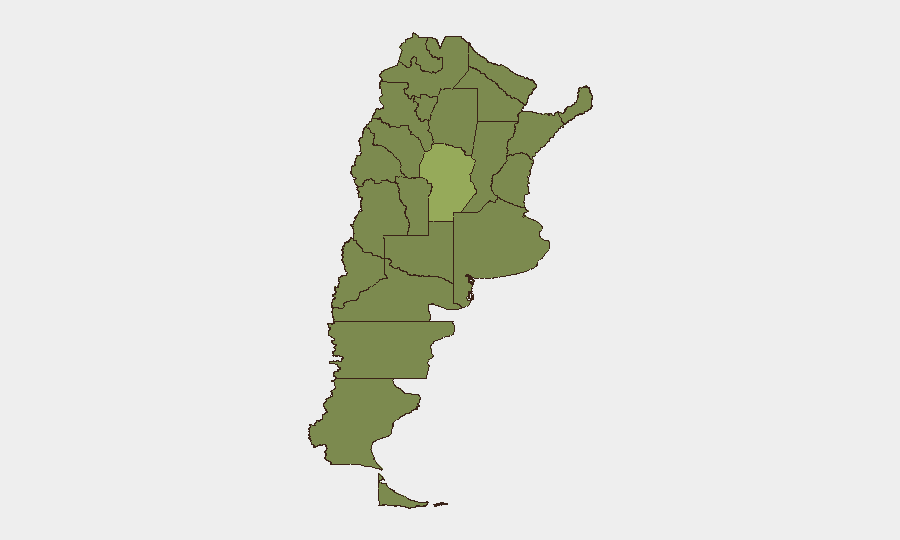
Argentina remains at composite threat level #46 globally (42/100) with 352 tracked events, reflecting persistent underlying criminality, labor and political tensions, and fragmented provincial governance challenges rather than acute nationwide crisis. The country's security profile is driven by concentrated regional instability, particularly in Córdoba Province, which significantly exceeds the national average. Near-term trajectory suggests continued localized pressure points without imminent systemic destabilization, though political and economic friction points warrant close monitoring.
Key Developments
Web research over the last 24–48 hours did not reliably surface Argentina-specific security, conflict, civil unrest, or infrastructure incidents with clear dating, location specificity, and independent corroboration meeting threshold for inclusion in this brief. Available sources referenced broad political/labor activity and sports coverage lacking precise recent timestamp and secondary confirmation. No current U.S. Embassy Argentina security alert describing new incidents in the reporting window was identified. Recommendation: Subscribe to real-time GeoBit event feeds and embassy advisories for same-day alerting on incidents as they occur; standard web-only research introduces lag and attribution risk.
Highest-Risk Areas
Córdoba Province (59.3) dominates the Argentine risk landscape—more than 50% higher than the national average and substantially above all other provinces—indicating either concentrated criminal networks, labor unrest, or governance fragmentation in that jurisdiction. Buenos Aires Province (38.7), home to metropolitan Buenos Aires and the country's largest population and economic concentration, represents the second-order risk driver; incidents there affect national stability and foreign investor/expatriate populations directly. Santa Fe, Tucumán, Entre Ríos, and Chaco provinces cluster in the 30–31 range, suggesting dispersed but consistent provincial-level challenges (organized crime, trafficking, labor disputes, or resource competition). The interior and southern provinces remain moderately elevated (29–30), with no province falling below 29.6, indicating baseline criminality and friction are endemic across Argentina rather than localized.
How GeoBit Would Assist
Intel Sweep & OSINT Fusion across X/Twitter, Telegram, YouTube, and multi-language sources combined with temporal and sentiment analysis would detect emerging labor strikes, protest mobilization, or criminal activity within 2–4 hours of occurrence and cross-corroborate with official government feeds. AOI (Area-of-Interest) Monitoring & Early Warning with persistent watch over Córdoba, Buenos Aires Province, and key border crossings would alert security teams to escalation in real time, enabling duty-of-care decisions (travel restriction, staff relocation, supply-chain adjustment) before incidents affect personnel or assets. Network & Actor Analysis and election monitoring capabilities would track political factional shifts and organized-crime group repositioning that often precede localized violence or labor unrest.
7-Day Outlook
No imminent nationwide destabilization is indicated; however, Córdoba Province warrants heightened surveillance given its risk differential, and Buenos Aires Province (particularly the metropolitan belt) should be monitored for labor and political spillover from ongoing national economic debates. Typical Argentine summer activity (early winter in the south, mid-year in the north) may generate seasonal migration-related crime and resource-dispute incidents in rural areas. Maintain posture of elevated readiness in Córdoba and Buenos Aires; recommend contingency planning updates for any staff deployed to interior provinces or border zones.
Highest-Risk Areas — Ranked
| # | State / Region | Risk |
|---|---|---|
| 1 | Córdoba | 59.3 |
| 2 | Buenos Aires Province | 38.7 |
| 3 | Santa Fe Province | 31.4 |
| 4 | Tucumán Province | 30.7 |
| 5 | Entre Ríos Province | 30.3 |
| 6 | Chaco Province | 30.3 |
| 7 | Santa Cruz Province | 30.2 |
| 8 | Salta Province | 30 |
| 9 | Río Negro Province | 30 |
| 10 | Chubut Province | 29.7 |
| 11 | Santiago del Estero Province | 29.7 |
| 12 | Neuquén Province | 29.6 |
Sources
Previous Daily Briefs
A new Argentina brief is written every day — each with its own risk map and downloadable CSV. Here's the last week; use the calendar to go further back.
📅 Browse every day by calendar →
Highlighted days have a brief. Tap a day for that day's map & analysis, or “csv” for that day's dataset ($5).
Atlas — our AI intelligence desk — emails them this snapshot personally. Nothing else, no list.