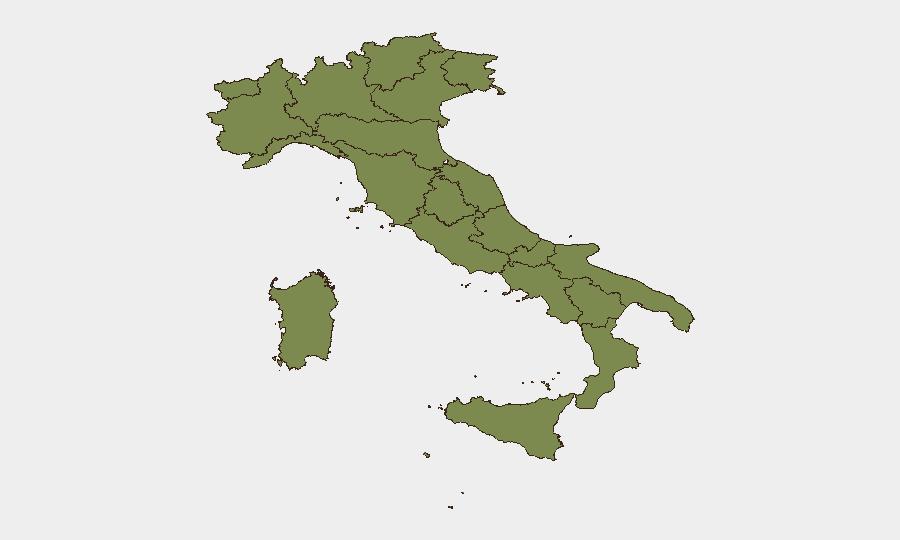
Situation Summary
Italy faces a composite threat score of 9 (rank #112 globally) driven primarily by civil unrest, organized crime pressure, and localized infrastructure vulnerability. The past 48 hours have seen significant escalation in protest-related violence, a potential terrorism incident near Milan, and journalist death under investigation, creating a fragmented but elevated risk environment. Central and southern regions—particularly Lazio and Sicily—remain structural risk concentrations, but northern unrest (Piedmont, Lombardy, Emilia-Romagna) is now acute and mobility-disruptive.
Key Developments
- Bologna, Emilia-Romagna (night of 20–21 July) – Violent clashes over custodial death: breakaway protest group (~100 individuals) fought police for several hours, throwing firecrackers, bottles, and chairs, setting vehicles ablaze. 56–64 police officers reported injured; tear gas and water cannon deployed.
- Bologna, Pilastro district (19 July, ongoing) – Death in police custody of 42-year-old Moroccan national Abderrahim Fakir under restraint now driving sustained civil unrest; prosecutors opened manslaughter investigation and activated "legal shield" for six officials, fueling further tension.
- Baranzate, Metropolitan Milan, Lombardy (20 July, ~12:30) – 31-year-old Moroccan male entered police station with large kitchen knife inscribed "Allahu Akbar," threatened officers. Arrested on suspicion of terrorist acts and threatening public officials; localized security alert triggered near major urban center.
- Val di Susa, Piedmont (19 July, coordinated) – No-TAV activists (masked, ~450 identified including foreign participants) conducted "guerrilla-style" attacks on high-speed rail construction sites at Chiomonte and San Didero: stones, firecrackers, incendiary bottles, vehicle arson. Over 120 law enforcement injured; significant rail and road disruption.
- Val di Susa, Piedmont (20–21 July, post-event) – Prime Minister Meloni and Interior Minister Piantedosi conducted site visits amid elevated security posture; authorities assessing foreign activist involvement and infrastructure damage in the corridor.
- Eboli, Province of Salerno, Campania (recent days) – Journalist Luca Esposito found dead; case under investigation as suspicious; national attention flagging organized crime and journalist-safety concerns in southern region.
- National intelligence/infrastructure (48-hour reporting window) – Intelligence services flagging espionage activity targeting state systems in Rome, organized crime pressures in Umbria and Lombardy, and large wildfires straining emergency response in the north.
Highest-Risk Areas
Lazio (32.7) and Sicily (27.5) remain the primary structural risk drivers, reflecting persistent organized crime networks, state-penetration concerns, and governance fragility in the capital region and south. However, Lombardy (19.5) and Emilia-Romagna (10.4) have surged into acute risk this week due to police-custody unrest and coordinated infrastructure attacks; Piedmont (8.2) adds protest-violence and foreign activist mobilization around the No-TAV movement. Northern regions now present both civil order and mobility disruption risk for corporate operations and personnel.
How GeoBit Would Assist
Security teams should deploy AOI Monitoring & Early Warning (persistent watch on Bologna, Val di Susa, and Milan metropolitan area) to detect further protest escalation or copycat incidents. Routing & Network Analysis enables real-time alternative-journey planning for personnel and supply chains around disrupted rail and road corridors in Piedmont and Lombardy. Intelligence & OSINT (X/Telegram monitoring, multi-language feeds, entity extraction) tracks No-TAV and custody-protest narratives to anticipate secondary unrest nodes and identify foreign activist coordination across borders.
7-Day Outlook
Civil unrest is likely to remain elevated in Bologna and the Val di Susa through at least early August as legal proceedings advance and protest networks maintain momentum. Organized crime and espionage activity will continue to strain security in Lazio and Umbria. Infrastructure disruption around high-speed rail and urban transport should be factored into personnel movement and supply-chain planning, particularly in northern Italy.
Highest-Risk Areas — Ranked
| # | State / Region | Risk |
|---|---|---|
| 1 | Lazio | 32.7 |
| 2 | Sicily | 27.5 |
| 3 | Lombardy | 19.5 |
| 4 | Emilia-Romagna | 10.4 |
| 5 | Piedmont | 8.2 |
| 6 | Apulia | 6.8 |
| 7 | Molise | 6.3 |
| 8 | Sardinia | 3.7 |
| 9 | Marche | 3.7 |
| 10 | Tuscany | 3.4 |
| 11 | Trentino – Alto Adige/Südtirol | 3.2 |
| 12 | Friuli – Venezia Giulia | 2.9 |
Sources
Previous Daily Briefs
A new Italy brief is written every day — each with its own risk map and downloadable CSV. Here's the last week; use the calendar to go further back.
📅 Browse every day by calendar →
Highlighted days have a brief. Tap a day for that day's map & analysis, or “csv” for that day's dataset ($5).
Atlas — our AI intelligence desk — emails them this snapshot personally. Nothing else, no list.