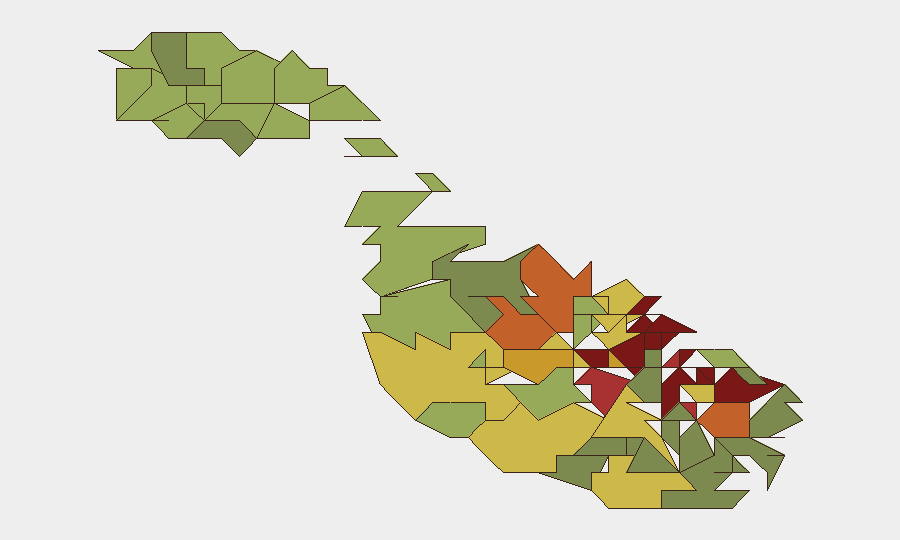
Situation Summary
Malta remains a low-threat jurisdiction with a composite security score of 5 (rank #162 globally) and no tracked security events in the current reporting window. The baseline security posture is stable; routine urban crime and local policing operations are normal for the jurisdiction. No civil unrest, infrastructure disruption, conflict, or travel-risk incidents have been confirmed in the past 24–48 hours by multiple independent sources.
Key Developments
No credible, time-stamped security incidents specific to Malta have been identified in the last 24–48 hours (2026-08-14/15) that meet operational reporting thresholds. Earlier August 2026 reporting includes routine policing and minor crime cases, but these fall outside the current window and do not reflect active developments. Duty-of-care teams should continue standard monitoring of local news, Malta Police Force communications, and airport/maritime infrastructure notices for any emerging disruption signals.
Highest-Risk Areas
Valletta (risk 95), Sliema (risk 92), and Saint Julian's (risk 90) drive the sub-national risk ranking and reflect urban concentration of daytime foot traffic, tourism, transient populations, and routine street-level crime typical of capital and leisure districts. Mid-tier risk zones (Gżira, Hamrun, Paola, Msida, Birkirkara) represent secondary commercial and residential urban centers where similar patterns prevail. The harbor-adjacent municipalities (Valletta, Birgu, Senglea, Cospicua) also carry maritime-related incident exposure. These rankings do not signal imminent events but rather reflect structural vulnerability to pickpocketing, vehicle crime, petty theft, and occasional organized activity—standard for Mediterranean tourist and port environments.
How GeoBit Would Assist
A corporate security team with personnel or assets in Malta should activate AOI Monitoring & Early Warning on high-footfall zones (Valletta waterfront, Sliema seafront, Saint Julian's leisure districts) and Live Web Research tied to local Maltese news, police channels, and maritime/aviation infrastructure alerts to detect disruption or crime-pattern shifts in real time. OSINT Fusion & Corroboration (including X/Twitter, Telegram, and local media scanning) would surface emerging incidents, civil unrest, or labor actions before they affect business continuity. Maritime & Aviation Tracking provides visibility into port and airport operations to flag delays or security cordons affecting staff travel or cargo.
7-Day Outlook
No material shift in Malta's security baseline is anticipated over the next seven days. Continued monitoring of local law-enforcement updates and tourism/infrastructure channels is sufficient for routine duty-of-care coverage. If specific personnel movements, large events, or asset concentrations are planned, targeted AOI monitoring and real-time web intelligence should be activated to detect any localized disruptions within 24 hours of activity.
Highest-Risk Areas — Ranked
| # | State / Region | Risk |
|---|---|---|
| 1 | Valletta | 95 |
| 2 | Sliema | 92 |
| 3 | Saint Julian's | 90 |
| 4 | Gżira | 88 |
| 5 | Hamrun | 87 |
| 6 | Paola | 86 |
| 7 | Msida | 85 |
| 8 | Birkirkara | 84 |
| 9 | Birgu | 83 |
| 10 | Senglea | 82 |
| 11 | Cospicua | 81 |
| 12 | Żabbar | 80 |
Sources
Previous Daily Briefs
A new Malta brief is written every day — each with its own risk map and downloadable CSV. Here's the last week; use the calendar to go further back.
- August 13, 2026
- August 11, 2026
- August 9, 2026
- August 7, 2026
- August 5, 2026
- August 4, 2026
- August 2, 2026
📅 Browse every day by calendar →
Highlighted days have a brief. Tap a day for that day's map & analysis, or “csv” for that day's dataset ($5).
Atlas — our AI intelligence desk — emails them this snapshot personally. Nothing else, no list.