Situation Summary
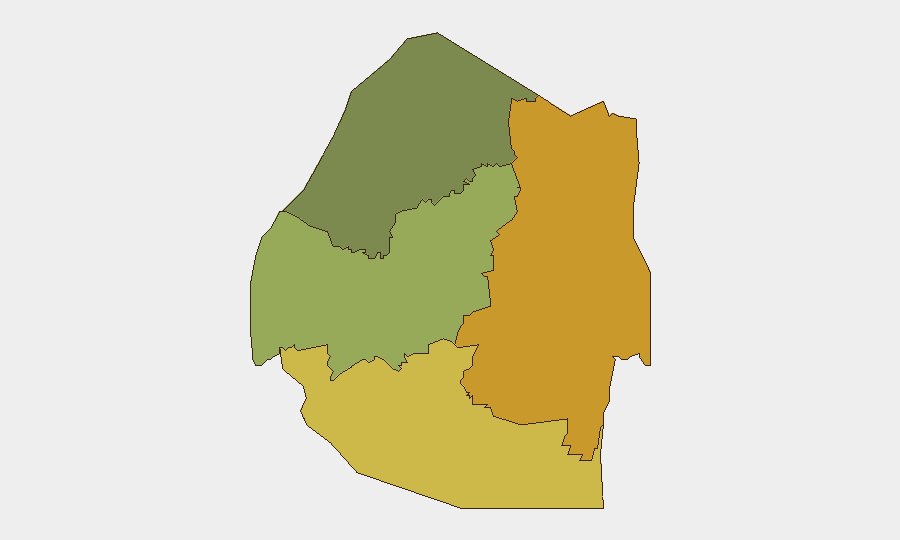
Eswatini remains a low-threat environment globally (rank #126, composite score 9) with no tracked security events recorded in the past 24–48 hours. Sub-national risk concentration in the eastern border regions—Lubombo and Shiselweni—reflects historical trafficking, cross-border criminality, and enforcement gaps rather than acute instability. The recent high-profile police shooting (8 Aug) and emerging concerns around deported foreign nationals in Matsapha (9 Aug) signal isolated incidents and administrative friction rather than systemic deterioration.
Key Developments
- Matsapha, 9 Aug – Images of deported foreign nationals—described as convicted rapists, murderers, and robbers—circulated on X (via journalist Sihle Mavuso and the Eswatini Observer) showing individuals moving freely in town after relocation under a U.S. deportation agreement. Raises localized security perception and border-management concerns among corporate and resident communities.
- National, 8 Aug – Police shooting of a 30-year-old armed robbery/attempted-murder suspect resulted in death; incident documented in official police records. No secondary incidents or civil unrest reported in follow-up.
- No other verified incidents substantiated in the 24–48 hour window. Live web research (last 24 h) did not yield independently corroborated new security events. A fire in Matsapha on 31 Jul falls outside the reporting window.
Highest-Risk Areas
Lubombo region (risk 72) and Shiselweni (risk 68) dominate sub-national threat composition, reflecting their proximity to Mozambique and South Africa, porous borders, and historical concentration of cross-border smuggling, human trafficking, and armed robbery. Manzini Region (risk 55) shows secondary concern tied to urbanization and economic activity; Hhohho (risk 35) remains lowest-risk. These rankings do not indicate imminent armed conflict or state collapse but rather chronic law-enforcement and border-control challenges that persist year-on-year.
How GeoBit Would Assist
Intel Sweep & OSINT (X/Twitter, local news, Telegram, radio SIGINT) would provide early signal of emerging incidents or deportee-related friction in real time, especially in Matsapha and border towns. AOI Monitoring & Early Warning with persistent watch on Lubombo and Shiselweni would alert security teams to upticks in cross-border activity, checkpoint incidents, or trafficking patterns. Network & Actor Analysis would help corporate teams map the movements and affiliations of deported individuals and regional criminal networks, supporting duty-of-care and asset-protection decisions.
7-Day Outlook
No material escalation is forecast. The Matsapha deportee sighting is likely to generate continued media and social-media attention but does not indicate systematic breakdown in state security or corporate-sector threat elevation. Routine border and organized-crime pressures in eastern regions will persist; isolated incidents (police actions, robberies) are expected to remain sporadic and localized. Corporate operations should maintain standard risk monitoring and liaison with local authorities.
Highest-Risk Areas — Ranked
| # | State / Region | Risk |
|---|---|---|
| 1 | Lubombo | 72 |
| 2 | Shiselweni | 68 |
| 3 | Manzini Region | 55 |
| 4 | Hhohho Region | 35 |
Sources
Previous Daily Briefs
A new Eswatini brief is written every day — each with its own risk map and downloadable CSV. Here's the last week; use the calendar to go further back.
📅 Browse every day by calendar →
Highlighted days have a brief. Tap a day for that day's map & analysis, or “csv” for that day's dataset ($5).
Atlas — our AI intelligence desk — emails them this snapshot personally. Nothing else, no list.