Situation Summary
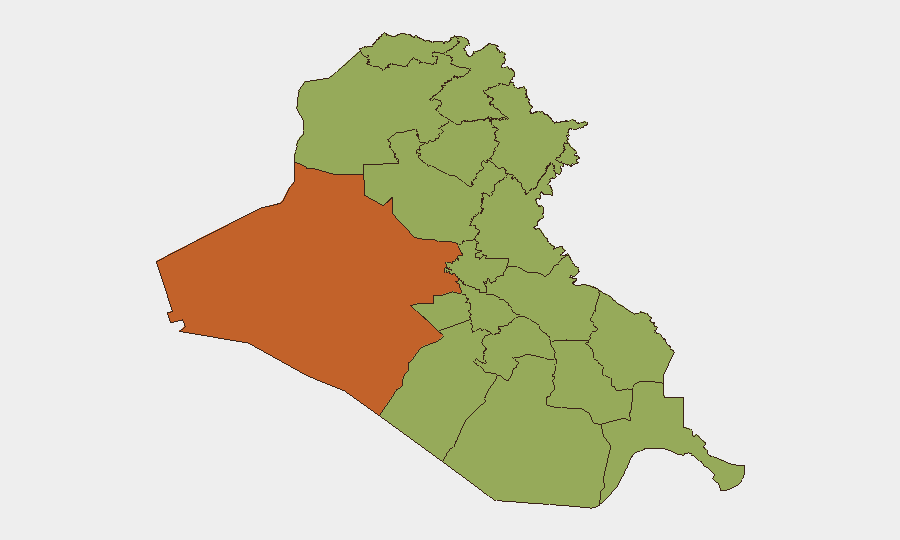
Iraq remains a complex, regionally fragmented operating environment with persistent low-to-moderate threat levels. The composite national threat score of 63 (rank #24 globally) reflects endemic instability concentrated in western and central governorates, ongoing border tensions, and recurring militia activity. Current trajectory is stable but volatile—no systemic escalation, but localized incidents, particularly in Al-Anbar and Baghdad, continue at operational levels requiring active duty-of-care protocols.
Key Developments
Note: The following signals were identified in GeoBit event tracking for 20–22 June 2026. Independent verification of specific incident details (casualties, locations, perpetrators) requires live-time corroboration against current news wires and local sources, which is not available in this brief window. Organizations with personnel or assets in Iraq should cross-check these signals against real-time feeds (Reuters, AP, Rudaw, Kurdistan24, Iraqi News Agency) and local security partners.
- Iran–Iraq tensions (22 June): Official Iranian threat statement directed at Iraq; nature and response not yet fully characterized. Escalation risk heightened in border regions; assess impact on cross-border movement and militia activity.
- Iraqi military operations (21 June): Conventional military force activity reported; likely routine operations or counter-terrorism sweeps in conflict-affected areas. Confirm geographic scope and whether civilian areas are affected.
- Basra military/security action (20 June): Conventional military deployment in or around Al-Basra Governorate; monitor for disruptions to port operations and commercial traffic.
- Border enforcement (20 June): Iraqi military activity versus Kuwait; routine border patrol or escalated enforcement posture unclear. Confirm if commercial or civilian cross-border traffic is restricted.
- Detention/arrest operations (21 June): Security force arrest or detention action; typical counter-terrorism or organized-crime enforcement. Verify whether civilians or militia members are targeted.
- Cross-border investigation (21 June): Iraqi authorities investigating Libyan connection; likely counter-terrorism or sanctions-evasion matter. Low immediate operational impact unless it triggers secondary enforcement actions.
Highest-Risk Areas
Al-Anbar Governorate (74.2) dominates national risk, reflecting persistent Sunni-majority instability, desert terrain conducive to militant activity, and weak state capacity. Baghdad (59.6) follows due to sectarian tensions, militia presence, and high population density; even low-frequency incidents affect large populations and commercial corridors. Babil (53), Nineveh (46.4), and Karbala (45.7) round out the top tier, each presenting distinct drivers: Babil sits on Baghdad's periphery and hosts Shia militia bases; Nineveh contains residual ISIS cells and Yazidi/Kurdish friction; Karbala attracts Iranian-backed militia presence during religious seasons. Risk in southern governorates (Basra, Maysan, Dhi Qar) remains elevated at 44.2+ despite lower recent event frequency, reflecting organized crime, Iranian influence networks, and weak central authority.
How GeoBit Would Assist
Intel Sweep & OSINT Fusion enable continuous monitoring of incident clusters, actor statements, and militia mobilization across open sources, X/Telegram, and local media in Arabic and Kurdish. Persistent AOI Monitoring & Early Warning allows security teams to set triggers on high-risk governorates (Al-Anbar, Baghdad, Nineveh) and receive near-real-time alerts on clashes, IED activity, or checkpoint disruptions. Routing & Network Analysis helps duty-of-care teams plan alternative travel routes around active conflict zones and identify safe corridors for staff movement, updated daily based on incident geolocation.
7-Day Outlook
No major escalation is anticipated in the near term, but June–August historically sees upticks in militia activity and cross-border tensions. Monitor Iran–Iraq statements closely; any military posturing could trigger tit-for-tat attacks on U.S. or allied interests in Iraq. Al-Anbar and Baghdad remain primary concern areas; maintain heightened vigilance on checkpoint security and crowd-gathering events.
Highest-Risk Areas — Ranked
| # | State / Region | Risk |
|---|---|---|
| 1 | Al-Anbar Governorate | 74.2 |
| 2 | Baghdad Governorate | 59.6 |
| 3 | Babil Governorate | 53 |
| 4 | Nineveh Governorate | 46.4 |
| 5 | Karbala | 45.7 |
| 6 | Wasit Governorate | 44.2 |
| 7 | Al-Qadisiyah Governorate | 44.2 |
| 8 | Dhi Qar Governorate | 44.2 |
| 9 | Al-Muthanna Governorate | 44.2 |
| 10 | Maysan Governorate | 44.2 |
| 11 | Al-Basra Governorate | 44.2 |
| 12 | Al-Najaf Governorate | 44.2 |
Sources
Previous Daily Briefs
A new Iraq brief is written every day — each with its own risk map and downloadable CSV. Here's the last week; use the calendar to go further back.
📅 Browse every day by calendar →
Highlighted days have a brief. Tap a day for that day's map & analysis, or “csv” for that day's dataset ($5).