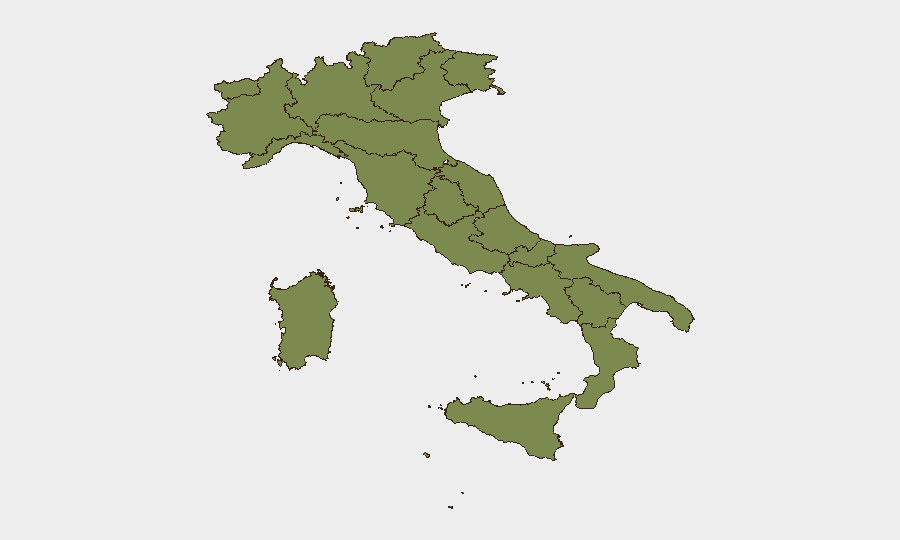
Situation Summary
Italy remains a composite threat level 4 globally (#138), with 375 tracked events, but is experiencing a volatile 48-hour surge in civil unrest, law-enforcement operations, and public-order incidents. The death of a 42-year-old Moroccan man during a police operation in Bologna on 27 July has triggered street clashes, a manslaughter investigation, and nationwide debate on police conduct—amplifying pre-existing tensions in high-risk regions. Concurrent large-scale narcotics and youth-crime crackdowns, plus isolated incidents of domestic violence and supply-chain security lapses, indicate elevated operational risk in urban centers and healthcare infrastructure.
Key Developments
- Bologna, Emilia-Romagna (27–28 July): Death of 42-year-old during police operation; subsequent clashes between demonstrators and police resulting in 64 officers and at least 11 civilians injured. Prime Minister Meloni condemned the incident; prosecutors opened a manslaughter investigation. Ongoing social-media commentary signals continued civil-unrest risk in the city.
- Turin & Rome (27–28 July): State Police conducted high-impact territorial control operations in southern Turin (Piazza Benghazi, Battistini Gardens, Colonnetti Park) and Rome (San Basilio, Prenestino), resulting in 26 arrests, 11 individuals reported, 2 illegally occupied premises cleared, and 21 foreign nationals referred to immigration authorities.
- National (27–28 July): Multi-province "maxi blitz" against juvenile crime concluded across 44 provinces, yielding 539 arrests (47 minors), 954 individuals reported, 703 kg of drugs seized, and 1,182 properties inspected. Operation targeted youth-involved assaults, property crime, weapons offenses, drugs, and hate-motivated crime.
- Lido di Camaiore, Tuscany (within 48 hours): 86-year-old man fatally stabbed ex-wife at Versilia Hospital, then died by jumping from third-floor window. Incident underscores domestic-violence and healthcare-facility security concerns.
- Milan Malpensa Airport, Lombardy (within 48 hours): Emergency evacuation of aircraft bound for Alicante due to large-scale mosquito infestation in cabin; operational disruption and health/sanitation issue at major transport hub.
- National (within 48 hours): Theft of fentanyl from hospital prompted urgent government meeting; signals supply-chain security vulnerability and public-health risk tied to diversion for illicit use.
Highest-Risk Areas
Lazio (32.2) and Sicily (31.2) remain the two highest-risk regions, driven by organized-crime activity, historical governance challenges, and persistent law-enforcement operations. Lombardy (27.4) has elevated risk concentrated in Milan and its metropolitan area, reflecting population density, financial-sector activity, and transport-hub exposure. The recent spike in civil unrest in Bologna (Emilia-Romagna, normally lower-risk at 2.5) demonstrates that localized incidents—especially police-involved deaths and migrant-related tensions—can rapidly escalate in any region; corporate teams should not assume lower-ranked regions are immune to near-term disruption.
How GeoBit Would Assist
Security teams should deploy AOI Monitoring & Early Warning on high-traffic locations (airports, hospitals, city centers) in Lazio, Sicily, and Lombardy to detect emerging demonstrations, police operations, or supply-chain incidents in real time. Network & Actor Analysis and multi-language OSINT (X/Twitter, Telegram, YouTube) would track civil-unrest sentiment and migrant/youth-crime narratives across Italian cities, enabling predictive alerting before clashes escalate. GIS & Spatial Analysis combined with conflict event mapping would correlate police operations, arrests, and incident clusters to identify secondary-risk zones and optimal routing for personnel or assets.
7-Day Outlook
Bologna's unrest is likely to persist as the manslaughter investigation unfolds and national debate on police accountability intensifies; further demonstrations are credible through early August. The nationwide youth-crime crackdown and fentanyl theft indicate sustained government enforcement activity, raising the risk of secondary incidents (arrests, confrontations) in urban centers. Corporate travel, healthcare facility access, and airport operations should anticipate potential disruptions in Lazio, Lombardy, and Sicily, with heightened vigilance in Bologna.
Highest-Risk Areas — Ranked
| # | State / Region | Risk |
|---|---|---|
| 1 | Lazio | 32.2 |
| 2 | Sicily | 31.2 |
| 3 | Lombardy | 27.4 |
| 4 | Apulia | 10 |
| 5 | Piedmont | 8 |
| 6 | Molise | 5.7 |
| 7 | Marche | 3.6 |
| 8 | Trentino – Alto Adige/Südtirol | 2.8 |
| 9 | Basilicata | 2.8 |
| 10 | Emilia-Romagna | 2.5 |
| 11 | Friuli – Venezia Giulia | 2.5 |
| 12 | Umbria | 2.5 |
Sources
Previous Daily Briefs
A new Italy brief is written every day — each with its own risk map and downloadable CSV. Here's the last week; use the calendar to go further back.
📅 Browse every day by calendar →
Highlighted days have a brief. Tap a day for that day's map & analysis, or “csv” for that day's dataset ($5).
Atlas — our AI intelligence desk — emails them this snapshot personally. Nothing else, no list.