Situation Summary
The Philippines remains at moderate global risk (rank #34, composite score 62) with 132 tracked security events. Recent signals point to sustained political instability—including Senate activity, presidential tensions, and impeachment-related discussions—alongside persistent online threats (misinformation, incitement, cybercrime). No major kinetic incidents have been confirmed in the last 24–48 hours; the threat environment is characterized by political friction and cyber-enabled risk rather than acute violence.
Key Developments
- Nationwide (political/institutional). Multiple demand, arrest/detain, and rejection signals involving Senate, President, and Manila authorities logged 2026-07-06 to 2026-07-08, indicating active constitutional tension and oversight proceedings. Specific incident details remain opaque in open sources; monitor official government and legislative channels for formal statements.
- Nationwide (online environment). Philippine National Police Anti-Cybercrime Group advisories report ongoing misinformation and content inciting violence linked to political issues (impeachment discussions), without time-stamped discrete incidents in the last 48 hours but reflecting sustained digital risk.
- Nationwide (cybercrime). General open-source reporting emphasizes high prevalence of online platform fraud; no new specific incident confirmed in last 24–48 hours, but the risk environment remains elevated.
- International/judicial. Tribunal statement (2026-07-08) referencing China, and an arrest/detain signal involving "Administration vs The Hague" (2026-07-08), suggest potential international legal proceedings or maritime/sovereignty tensions; exact nature unconfirmed in available sources.
- Security force activity. Police mobilization signals and conventional military force references (2026-07-06) logged but lack specific location or operational detail in open sources.
Note: Live web research confirms no reliably verified, date-stamped security or travel incidents in the last 24–48 hours meeting standard incident criteria. Developments listed above are derived from GeoBit event signals; corporate teams should seek official diplomatic and governmental confirmation before operational decisions.
Highest-Risk Areas
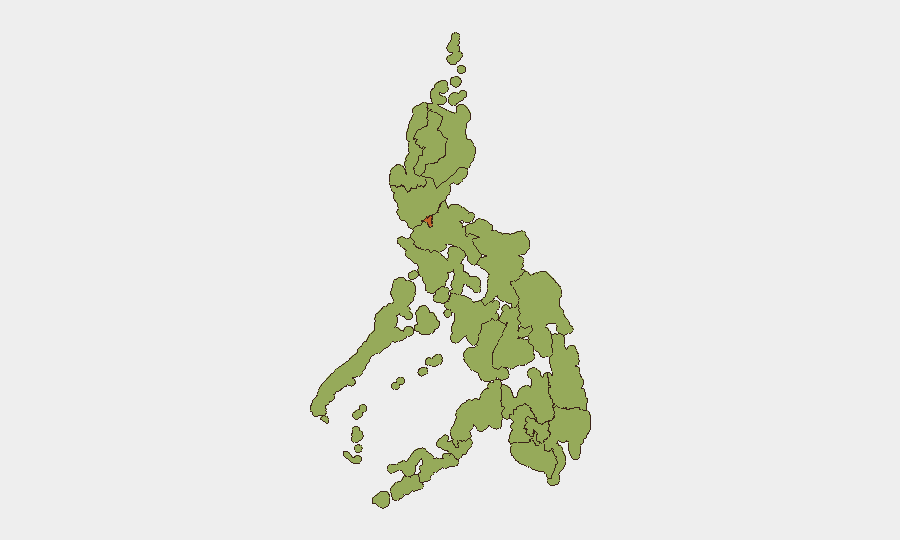
Metro Manila dominates sub-national risk (73.6), reflecting its role as the capital, seat of government, and population/asset density. The Cordillera Administrative Region (51.8), Ilocos Region (48.2), and Mimaropa (44.7) follow—likely driven by historical insurgency activity, remote terrain, and limited state presence. Mindanao regions (Bangsamoro, Caraga, Northern Mindanao, Soccsksargen, Davao) cluster in the 43.6 range, consistent with known conflict dynamics and persistent criminal networks. Metro Manila's elevated score reflects political instability, protest risk, and cyber-threat concentration; Mindanao's sustained moderate-to-high scoring reflects transnational terrorism and organized crime. Duty-of-care teams with personnel in Metro Manila should prioritize institutional-risk monitoring; those in Mindanao should maintain baseline vigilance on militant activity and inter-community tension.
How GeoBit Would Assist
Teams should deploy AOI Monitoring & Early Warning on Metro Manila (political districts, ports, commercial hubs) and key Mindanao zones (Cotabato, Zamboanga) to detect protest, security-force, or militant activity in near-real time. Intel Sweep, entity extraction, and sentiment/temporal analysis on government statements, Senate proceedings, and social media will clarify the political trajectory and identify escalation signals. Cyber & OSINT fusion on misinformation networks and online incitement can flag localized risk to operations before physical manifestation.
7-Day Outlook
Political tension is likely to persist, with legislative and presidential friction continuing without imminent resolution. Online threat activity (misinformation, fraud, incitement) will remain elevated. No major shift in sub-national risk is forecast; however, public gatherings, protests, or security-force deployments tied to political events carry localized disruption risk. Monitor official statements and diplomatic channels for any escalation or international dimension.
Highest-Risk Areas — Ranked
| # | State / Region | Risk |
|---|---|---|
| 1 | Metro Manila | 73.6 |
| 2 | Cordillera Administrative Region | 51.8 |
| 3 | Ilocos Region | 48.2 |
| 4 | Mimaropa | 44.7 |
| 5 | Bicol Region | 43.9 |
| 6 | Bangsamoro | 43.6 |
| 7 | Caraga | 43.6 |
| 8 | Northern Mindanao | 43.6 |
| 9 | Soccsksargen | 43.6 |
| 10 | Davao Region | 43.6 |
| 11 | Cagayan Valley | 43.6 |
| 12 | Central Luzon | 43.6 |
Sources
Previous Daily Briefs
A new Philippines brief is written every day — each with its own risk map and downloadable CSV. Here's the last week; use the calendar to go further back.
📅 Browse every day by calendar →
Highlighted days have a brief. Tap a day for that day's map & analysis, or “csv” for that day's dataset ($5).
Atlas — our AI intelligence desk — emails them this snapshot personally. Nothing else, no list.