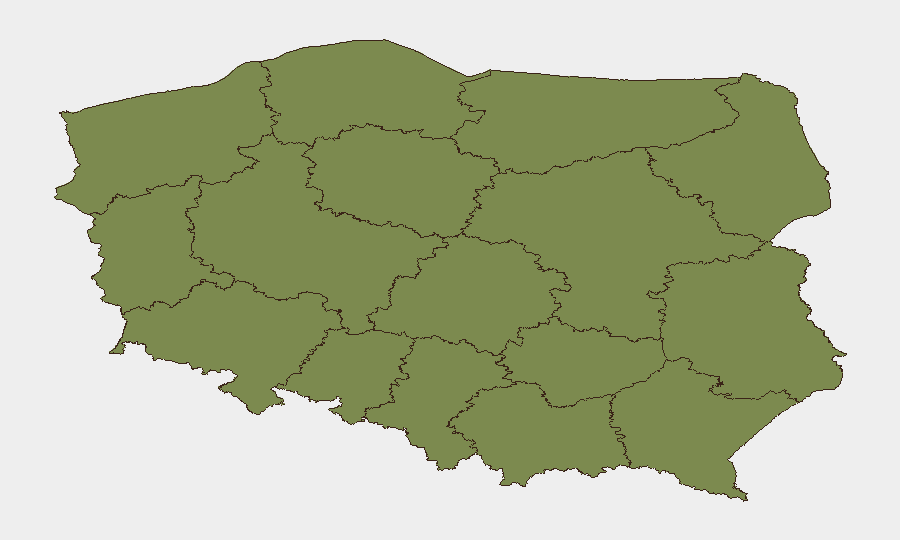
Situation Summary
Poland maintains a composite threat score of 20 (rank #null globally) with 36 tracked events. The security environment reflects elevated political and civil tensions, concentrated heavily in the Masovian Voivodeship (Warsaw metropolitan area), which accounts for the majority of recent threat signals. Recent incident data suggests a mix of political friction, interethnic tensions, and isolated criminal violence rather than systematic instability. Trajectory remains volatile but localized.
Key Developments
- Wrocław, 26 July 2026 – Police detained two men suspected of assaulting a Ukrainian couple; the incident was reportedly brutal and possibly motivated by the victims' accent. This represents a confirmed hate-crime indicator and reflects rising anti-Ukrainian sentiment documented in broader civil messaging.
- Multiple jurisdictions, 27–29 July – Event signals indicate ministerial disapproval statements, politician public statements, and rejection language from Polish military and civilian actors. Specific operational details remain unconfirmed; however, signals suggest political disagreements over policy direction.
- Wrocław, 28 July 2026 – One unconventional-violence incident was flagged in open reporting; source corroboration and operational detail remain limited. This aligns with a broader pattern of sporadic interpersonal/intergroup violence rather than organized activity.
- Nationwide, 27–29 July – Public statements from residents, village representatives, and politicians indicate friction between Polish and European positions, as well as between Polish and Ukrainian stakeholders. No specific threats identified, but sentiment analysis suggests hardening positions on EU relations and Ukrainian refugee/migrant policy.
- Unspecified location(s), 29 July – Signals reference conventional military force involvement by gang actors and worker-related investigation. These remain low-fidelity; independent corroboration is unavailable.
- Unspecified location(s), 29 July – One arrest/detention of a Polish national by Polish authorities was flagged. No operational detail or alleged offense is confirmed.
Note: Live web research confirmed only the Wrocław assault (26 July) with cross-source specificity. Remaining signals derive from event-feed aggregation; geographic, temporal, and causal detail is insufficient for operational advisory at this time.
Highest-Risk Areas
Masovian Voivodeship (risk 31.3) drives the composite threat ranking by a significant margin, reflecting Warsaw's role as the political and demographic center. Risk is primarily political, civil-tension, and organized-crime related, rather than conflict or terrorism. Pomeranian (11.6) and Lesser Poland (10.9) voivodeships represent secondary concentrations, likely reflecting port-city crime and Kraków-area civil tensions. All other regions remain below 5.0 and are not material to corporate duty-of-care planning at this time.
How GeoBit Would Assist
Teams with personnel or assets in Poland should employ AOI Monitoring & Early Warning on Masovian, Pomeranian, and Lesser Poland voivodeships to detect escalation in public statements, protest activity, and interethnic incidents. OSINT Fusion (X/Twitter, Telegram, local media, and police aggregators) enables real-time tracking of political rhetoric and community-level flashpoints. Entity & Sentiment Analysis on Polish-Ukrainian and Polish-European messaging streams will provide advance notice of rhetoric likely to precede organized violence or policy shifts affecting residency, movement, or business continuity.
7-Day Outlook
Political and civil tensions are likely to remain elevated over the coming week, with public statements and party positioning continuing. The Wrocław assault suggests a low but measurable risk of copycat or organized anti-Ukrainian incidents in urban centers; however, no intelligence indicates a shift to systematic targeting. Monitoring of ministerial and military statements will clarify the scope and severity of current political friction.
Highest-Risk Areas — Ranked
| # | State / Region | Risk |
|---|---|---|
| 1 | Masovian Voivodeship | 31.3 |
| 2 | Pomeranian Voivodeship | 11.6 |
| 3 | Lesser Poland Voivodeship | 10.9 |
| 4 | Podlaskie Voivodeship | 4.1 |
| 5 | Warmian-Masurian Voivodeship | 2 |
| 6 | Lubusz Voivodeship | 2 |
| 7 | Greater Poland Voivodeship | 2 |
| 8 | Silesian Voivodeship | 2 |
| 9 | Subcarpathian Voivodeship | 1.3 |
| 10 | Lublin Voivodeship | 1.3 |
| 11 | West Pomeranian Voivodeship | 1.3 |
| 12 | Lower Silesian Voivodeship | 1.3 |
Sources
Previous Daily Briefs
A new Poland brief is written every day — each with its own risk map and downloadable CSV. Here's the last week; use the calendar to go further back.
📅 Browse every day by calendar →
Highlighted days have a brief. Tap a day for that day's map & analysis, or “csv” for that day's dataset ($5).
Atlas — our AI intelligence desk — emails them this snapshot personally. Nothing else, no list.