Situation Summary
Rwanda's domestic security environment remains stable with no confirmed acute incidents in the past 24–48 hours, according to multi-source monitoring and official reporting. The country's principal operational risk drivers are the ongoing Marburg virus outbreak affecting Kigali and other provinces, and elevated cross-border tension with eastern DRC — particularly escalating FARDC and militia activity near South Kivu — rather than active internal conflict or civil unrest. Diplomatic friction between Rwanda and DRC over FDLR disarmament protocols adds perception of border risk, but no new clashes or incursions into Rwandan territory have been confirmed in the current window.
Key Developments
- Border areas with South Kivu, DRC (Rwanda side) – 31 July 2026 – African Security Analysis reports sharply escalated FARDC deployments and militia mobilization near Kahuzi-Biega National Park; no confirmed incursions into Rwanda, but heightened cross-border risk for areas within 10 km of the boundary.
- Kigali and nationwide – 31 July–1 August 2026 – Marburg virus outbreak remains the primary operational constraint; no newly confirmed cases in the past 24–48 hours, but movement and health protocols remain in effect across major urban centers.
- Diplomatic dispute – 29–31 July 2026 – DRC announced FDLR disarmament protocol on 29 July; Rwanda rejected the move on 30–31 July as inconsistent with prior U.S.-brokered agreement. Dispute ongoing but no military incidents tied to this friction reported on Rwandan soil.
- Rwanda–DRC–Burundi border hydropower corridor – 31 July 2026 – U.S.-backed tri-national development project entering fund-release phase; no sabotage, protests, or attacks on Rwanda-side infrastructure reported in the last 24–48 hours.
- Kigali and major urban centers – 31 July–1 August 2026 – Crime environment steady with no significant violent crime spike, civil unrest, or major incident reported; routine case follow-ups dominate media coverage.
- Student demonstration – 30 July 2026 – Rally/demonstrate event recorded; no violence, arrest patterns, or escalation signals noted in subsequent 24-hour window.
Highest-Risk Areas
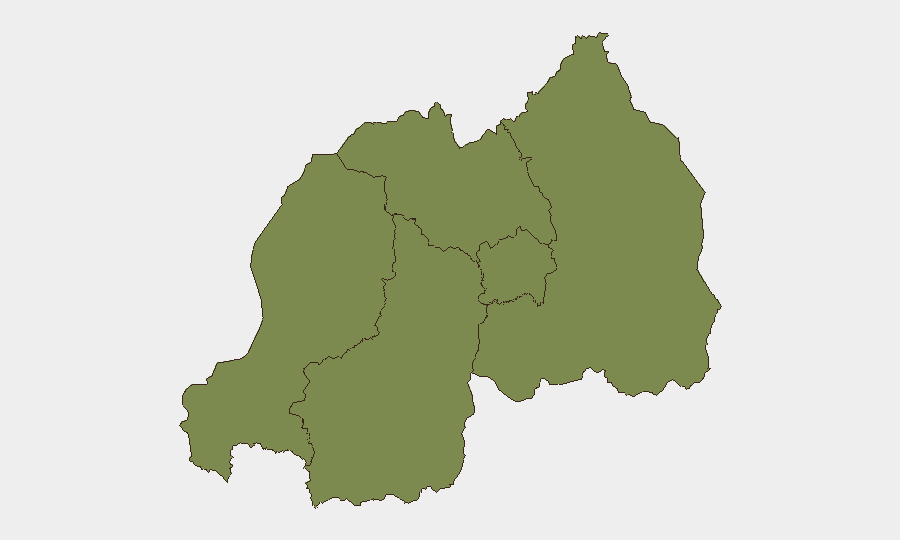
Kigali dominates the sub-national risk landscape (composite score 32.9), driven primarily by the active Marburg outbreak and its operational/duty-of-care implications for corporate staff and operations. The Western, Northern, Southern, and Eastern Provinces each register equal baseline risk (2.9), reflecting chronic but low-level crime and the perimeter threat from DRC instability; Eastern Province borders South Kivu and is most sensitive to cross-border FARDC and militia activity, though no new incidents have materialized there in the past 24–48 hours. The 10-km DRC border corridor is subject to standing travel advisories but has not seen new conflict spillover into Rwanda proper in the current window.
How GeoBit Would Assist
Intel Sweep and multi-language OSINT fusion enable continuous monitoring of official DRC military and militia signaling, Rwandan media crime and health reporting, and diplomatic statements — allowing security teams to detect early shifts in border posture or outbreak spread. AOI Monitoring & Early Warning with persistent border-zone surveillance (via Satellite & Imagery analysis and GIS & Spatial analysis) provides persistent detection of cross-border troop movements, medical facility strain, or infrastructure threats. Conflict & Military (force-structure and weapons-capability tracking) and Network & Actor Analysis supply real-time visibility into FARDC deployment patterns and FDLR disarmament compliance, critical for duty-of-care routing and personnel movement planning.
7-Day Outlook
Barring major escalation in DRC, Rwanda's security posture is expected to remain stable over the next week. The Marburg outbreak trajectory and any further diplomatic deterioration with DRC will be the primary drivers of operational constraint and travel-advisory changes. Border-zone vigilance remains warranted given concurrent DRC military buildups, but no imminent conflict spillover into Rwanda proper is presently forecasted.
Highest-Risk Areas — Ranked
| # | State / Region | Risk |
|---|---|---|
| 1 | Kigali City | 32.9 |
| 2 | Western Province | 2.9 |
| 3 | Northern Province | 2.9 |
| 4 | Southern Province | 2.9 |
| 5 | Eastern Province | 2.9 |
Sources
Previous Daily Briefs
A new Rwanda brief is written every day — each with its own risk map and downloadable CSV. Here's the last week; use the calendar to go further back.
📅 Browse every day by calendar →
Highlighted days have a brief. Tap a day for that day's map & analysis, or “csv” for that day's dataset ($5).
Atlas — our AI intelligence desk — emails them this snapshot personally. Nothing else, no list.