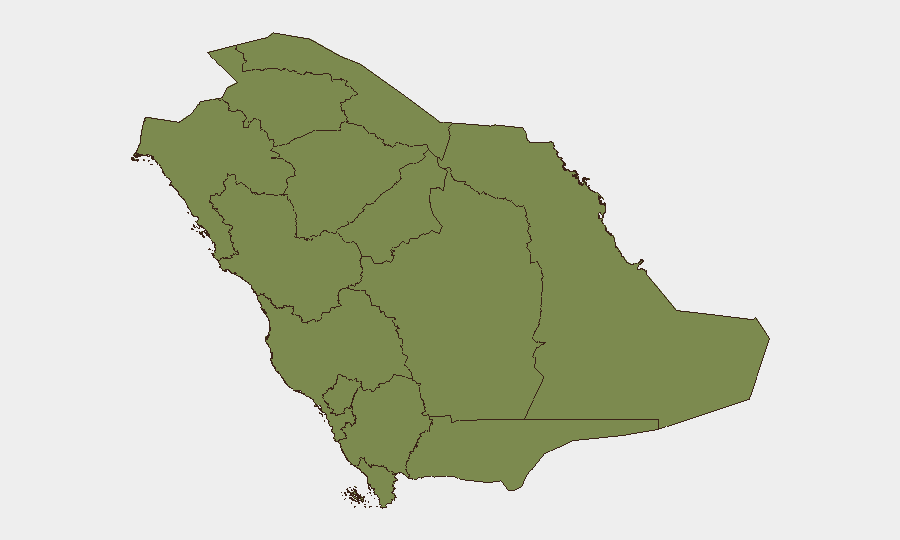
Situation Summary
Saudi Arabia faces an acute escalation in drone and maritime threats spanning multiple threat vectors—Iran-backed militias in Iraq, Yemen's Houthi movement, and overlapping claims of coordinated strikes against energy infrastructure. Over the past 24–48 hours, air defense intercepts in Riyadh and the Eastern Province, a hull strike on a Saudi-flagged Red Sea vessel, and formal Cabinet condemnation signal elevated political-security tension and imminent risk to critical national infrastructure. The trajectory indicates sustained targeting of oil facilities and commercial shipping, with potential for broader regional escalation if responses intensify.
Key Developments
- Riyadh Region, Monday (past few hours, local time): Saudi Ministry of Defense reported interception and destruction of multiple drones targeting oil facilities in Riyadh, attributed to Iran-backed militias launching from Iraqi territory.[5][2]
- Eastern Province, Monday (past few hours, local time): Saudi air defenses destroyed multiple drones attempting to strike oil facilities in the Eastern Province in the same operational window, with identical attribution to Iranian-backed Iraqi-based groups.[5][2]
- Red Sea, off Saudi coast, Monday (local time): Saudi-flagged vessel *NCC MASA* sustained minor hull damage after being targeted while transiting the Red Sea, consistent with Houthi maritime threat patterns.[2][7]
- Yanbu Governorate, Saturday (early, within ~48h): Civil Defense issued two early-warning alerts for potential danger; threats were later assessed as passed with no casualties or damage reported.[7][6]
- Jazan Province, Saturday (within ~48h): A separate security alert was issued and subsequently lifted after authorities confirmed the threat had passed, linked to the same Houthi escalation cycle.[7][6]
- Hodeidah, Yemen, Saturday (within ~48h): Saudi-led Coalition Joint Forces Command reported a proportionate military response against Houthi targets in western Hodeidah, marking an immediate counter-escalation.[7][2]
- Houthi operational claim, Monday (hours after Riyadh/Eastern Province intercepts): Yemen's Houthi movement claimed on X responsibility for launching drones against oil-transport infrastructure connecting the Eastern Province to Yanbu, framed as retaliation for Saudi strikes in Yemeni airspace.[12][10]
- Saudi Cabinet statement, Tuesday (within 24–48h): The Kingdom formally stated it "will not be lenient" in defending its security, explicitly condemning Iran-backed militia attacks in Iraq and Yemen targeting Saudi oil facilities and Red Sea shipping.[8][2]
Highest-Risk Areas
Jazan Province (composite risk 33.9) remains the critical flash point, reflecting its proximity to Yemen and sustained Houthi operational reach. Riyadh Region (29.3) has moved sharply into focus over the past 48 hours due to confirmed drone intercepts against capital-area oil infrastructure—a rare direct threat to the political and economic center. Medina Province (23.3) and the Eastern Province (18.1) round out the four highest-risk zones, with the latter bearing critical oil and maritime exposure. The concentration of risk in Jazan and Riyadh reflects the convergence of cross-border missile/drone threats from Yemen, Iraqi-based Iranian-backed militias, and strategic targeting of energy export capacity.
How GeoBit Would Assist
Security teams should deploy AOI Monitoring & Early Warning on Riyadh's oil-facility corridors, Eastern Province refineries, and Yanbu port infrastructure to detect drone launch signatures and maritime anomalies. Conflict & Military analysis (force-structure and weapons-capability tracking) combined with Network & Actor Analysis can map Iranian-backed militia cells in Iraq and Houthi command nodes directing recent strikes. Maritime & Aviation tracking provides real-time vessel and drone corridor intelligence for commercial shipping routing decisions in the Red Sea.
7-Day Outlook
Drone and maritime threat tempo is expected to remain elevated through the near term, with Saudi air defenses likely to intercept further waves of attacks. Coalition counter-strikes in Yemen and potential escalation against Iraqi-based militia cells may follow, raising the risk of miscalculation or civilian exposure. Commercial energy and shipping operations should anticipate sustained disruption and implement heightened crew/asset protocols in the Eastern Province, Red Sea, and western governorates.
Highest-Risk Areas — Ranked
| # | State / Region | Risk |
|---|---|---|
| 1 | Jazan Province | 33.9 |
| 2 | Riyadh Region | 29.3 |
| 3 | Medina Province | 23.3 |
| 4 | Eastern Province | 18.1 |
| 5 | 'Asir Province | 4.1 |
| 6 | Northern Borders Province | 3.8 |
| 7 | Makkah Region | 3.8 |
| 8 | Al-Bahah Province | 3.8 |
| 9 | Najran Region | 3.8 |
| 10 | Tabuk Province | 3.8 |
| 11 | Al Jawf Region | 3.8 |
| 12 | Ḥa'il Province | 3.8 |
Sources
Previous Daily Briefs
A new Saudi Arabia brief is written every day — each with its own risk map and downloadable CSV. Here's the last week; use the calendar to go further back.
📅 Browse every day by calendar →
Highlighted days have a brief. Tap a day for that day's map & analysis, or “csv” for that day's dataset ($5).
Atlas — our AI intelligence desk — emails them this snapshot personally. Nothing else, no list.