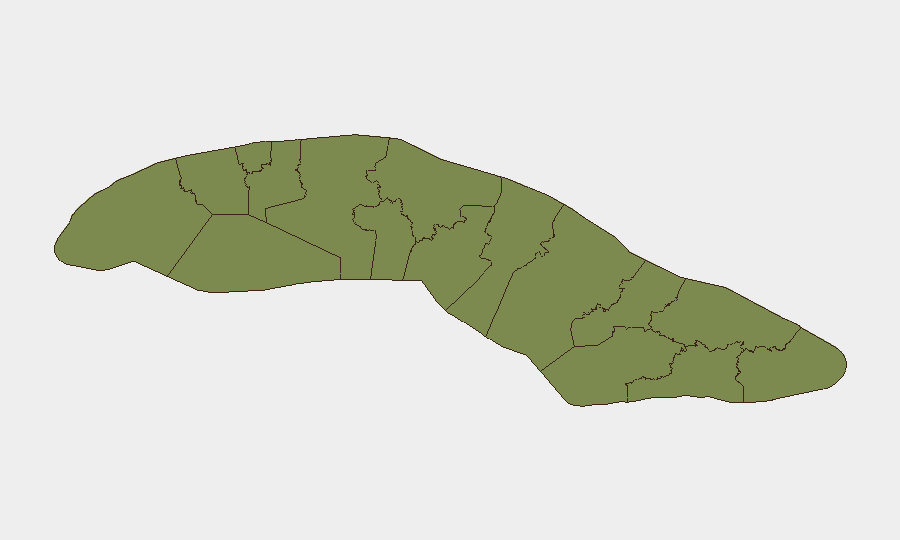
Situation Summary
Cuba remains at composite threat rank #93 globally (score 11) with 241 tracked events, characterized by critical infrastructure fragility, political detention escalation, and humanitarian supply constraints. The July 6 nationwide blackout and subsequent grid instability have compounded existing fuel, food, and medicine shortages, while recent state-security actions against political prisoners signal continued internal pressure. The security environment is constrained rather than acute; however, infrastructure fragility and intermittent communications blackouts present significant duty-of-care risks for corporate personnel and assets.
Key Developments
- Guanajay, Artemisa Province – July 7, 2026: Dissident artist Luis Manuel Otero Alcántara was forcibly removed from Guanajay maximum-security prison by state security and held incommunicado for approximately 48 hours, marking an escalation in detention practices against political prisoners and raising human-rights alert thresholds.
- Nationwide – July 6, 2026: Cuba's national electrical grid collapsed, leaving approximately 10 million people without power; authorities reported unknown cause and restoration timeline, with concurrent mobile and internet outages.
- Nationwide – July 6–7, 2026 (ongoing): Following the blackout, authorities and foreign embassies warned that Cuba's electrical system remains highly unstable, with scheduled daily cuts and unscheduled outages compounded by intermittent cellphone and internet disruptions.
- Nationwide – Early July 2026: Canadian government issued updated travel advisory citing worsening shortages of fuel, electricity, food, water, and medicine; fuel scarcity has disrupted ground transport, stranded travelers, and created altercation-prone queues at gas stations.
- International Travel Routes – Early July 2026: All Canadian airline service to Cuba suspended until further notice; Embassy of Canada in Havana warned that consular services capacity may be restricted if shortages worsen, complicating emergency assistance for foreign nationals.
- Nationwide – Ongoing July 2026: Foreign travel guidance notes potential blocking or restriction of internet and social media "particularly during periods of civil unrest or ahead of demonstrations," indicating risk of information blackouts around protests.
Highest-Risk Areas
Sancti Spiritus (34.1), Havana (32.1), and Santiago de Cuba (31.3) drive the national risk profile. Havana concentrates political prisoners, state-security apparatus, and critical infrastructure (power distribution, ports, international airport), while Sancti Spiritus and Santiago show elevated signals related to authorities' investigative and military-force responses. Mayabeque (16.6) and Artemisa (15.5) host detention facilities and remain flashpoints for human-rights escalation. Remaining provinces (Ciego de Ávila through Pinar del Río) report minimal tracked events.
How GeoBit Would Assist
Security teams would use Intel Sweep and multi-language OSINT fusion to track state-security operations, detention escalations, and political prisoner movements with corroboration across open sources, X/Twitter, and OSINT feeds. AOI Monitoring & Early Warning with persistent watch on Havana, Artemisa, and Sancti Spiritus would flag detention, unrest, or infrastructure incidents for immediate alert. Routing & Network Analysis would enable alternative journey planning around grid-unstable zones and fuel-shortage choke points, while Sentiment & Temporal Analysis would flag emerging protest or civil-unrest signals ahead of communications restrictions.
7-Day Outlook
Grid restoration is expected to progress incrementally over the next 7 days, but stability remains fragile and subject to unscheduled outages. Humanitarian shortages will persist, maintaining ground-transport friction and altercation risk. Political detention and state-security signaling may escalate in response to international pressure or domestic dissent, particularly around Havana and Artemisa.
Highest-Risk Areas — Ranked
| # | State / Region | Risk |
|---|---|---|
| 1 | Sancti Spiritus | 34.1 |
| 2 | Havana | 32.1 |
| 3 | Santiago de Cuba | 31.3 |
| 4 | Mayabeque | 16.6 |
| 5 | Artemisa | 15.5 |
| 6 | Ciego de Avila | 9.2 |
| 7 | Camagüey | 9.2 |
| 8 | Matanzas | 8.8 |
| 9 | Holguín | 4.5 |
| 10 | Pinar del Rio | 4.1 |
| 11 | Cienfuegos | 4.1 |
| 12 | Villa Clara | 4.1 |
Sources
Previous Daily Briefs
A new Cuba brief is written every day — each with its own risk map and downloadable CSV. Here's the last week; use the calendar to go further back.
📅 Browse every day by calendar →
Highlighted days have a brief. Tap a day for that day's map & analysis, or “csv” for that day's dataset ($5).
Atlas — our AI intelligence desk — emails them this snapshot personally. Nothing else, no list.