Situation Summary
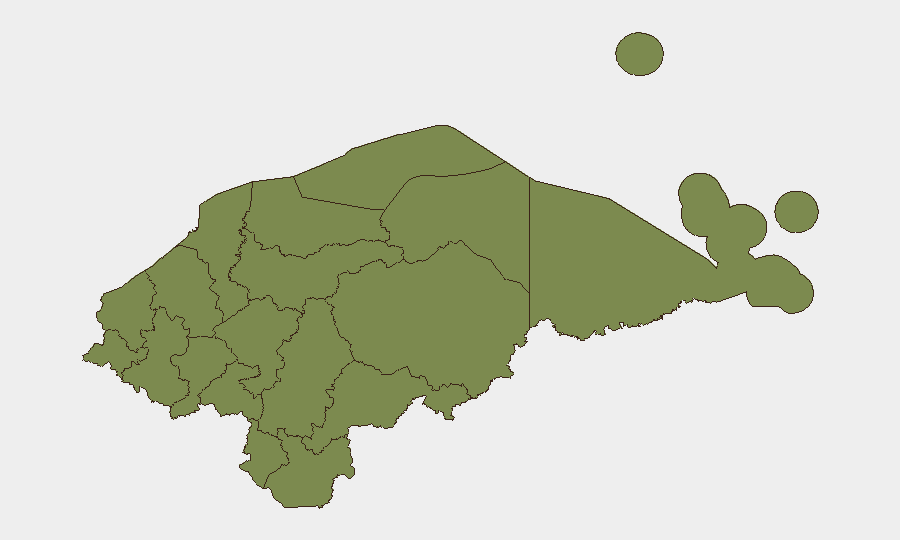
Honduras remains under moderate composite threat pressure (score 17), driven primarily by localized gang violence, transport-sector insecurity, and infrastructure instability in the capital region. Francisco Morazán department—home to Tegucigalpa—accounts for the majority of tracked risk (31.3 of 17 national composite), with Cortés department contributing secondary concern (16.3). The security environment shows signs of active enforcement (raids, arrests, expulsions) and ministerial attention to gang activity, though homicide reduction claims coexist with ongoing targeted killings and organized crime operations in northern and rural zones.
Key Developments
- 29 Jul, Tegucigalpa (Francisco Morazán): Urban transport workers on the Mateo–Tapias–Mercado route halted service and staged protests following the murder of conductor Juan Carlos Flores on 28 Jul, killed in an armed attack attributed to criminal violence targeting the transport sector. Route paralysis carries immediate business continuity and commuter-access risk.
- 29 Jul, Tegucigalpa (Francisco Morazán): Business association COHEP reported ongoing electricity grid failures causing estimated losses of ~100 million lempiras monthly, signaling sustained infrastructure vulnerability and private-sector operational disruption in the capital.
- Late Jul (reported 29 Jul), Nacaome (Valle): INTERPOL agents arrested a suspect in an international child sexual exploitation case involving filming and commercial distribution of abuse material, underscoring persistent cross-border organized crime in southern zones.
- Late Jul (reported within 48h), Colón/Atlántida (northern Honduras): Police raids targeting the Los Canechos gang resulted in 7 arrests and 1 death in confrontation in Esparta, Atlántida, following a prior mass killing in Rigores; indicates sustained gang enforcement operations and violence in the Caribbean coast region.
- Late Jul, Atima (Santa Bárbara): Two men, including Roger Villalta, were shot dead in a targeted roadside killing by armed assailants, adding to homicide and vehicle-travel risk in western Honduras.
- Recent statement, nationwide: Security Minister Gerzón Velásquez indicated the government remains prepared to declare localized states of exception in high-violence areas, suggesting potential for sudden movement restrictions and emergency measures in specific municipalities.
- 24 Jul, La Unión/Yocon (Olancho): Police detained a 61-year-old man for illegal firearm and ammunition possession, part of ongoing rural preventive enforcement.
Highest-Risk Areas
Francisco Morazán (31.3 risk score) dominates the threat landscape, driven by gang activity, transport violence, and infrastructure instability centered on Tegucigalpa–Comayagüela. Cortés (16.3) represents secondary risk concentration, likely linked to northern criminal networks and port-adjacent smuggling. All remaining tracked departments score 1.3, indicating either lower current incident density or less developed reporting; however, recent events in Santa Bárbara (targeted killings), Atlántida (gang operations), and Olancho (firearms enforcement) suggest real but lower-intensity activity across western and northern zones. Risk concentration in the capital and northern corridor reflects both criminal organization strength and enforcement visibility.
How GeoBit Would Assist
Security teams operating in Honduras would employ Intel Sweep and OSINT fusion to track gang activity, transport-sector violence signals, and official enforcement operations in near-real time. AOI Monitoring & Early Warning on Francisco Morazán's highest-risk municipalities (Tegucigalpa, Comayagüela) would provide persistent alerting on protest activity, infrastructure failures, and criminal incidents affecting asset access and personnel safety. Routing & Network Analysis would support alternative journey planning around transport-sector disruptions and known gang territorial zones, while Sentiment & Temporal Analysis would flag emerging pressure on critical infrastructure and official rhetoric shifts signaling emergency declarations.
7-Day Outlook
Gang enforcement operations are likely to continue in the northern corridor and rural zones, with potential for additional targeted killings and police confrontations. Transport-sector paralysis may expand if security conditions in Tegucigalpa worsen or if demands remain unaddressed. Infrastructure outages are expected to persist, sustaining business continuity pressure; localized states of exception remain a contingency risk if homicide or organized crime indicators deteriorate significantly.
Highest-Risk Areas — Ranked
| # | State / Region | Risk |
|---|---|---|
| 1 | Francisco Morazán | 31.3 |
| 2 | Cortés | 16.3 |
| 3 | El Paraíso | 1.3 |
| 4 | Copán | 1.3 |
| 5 | Ocotepeque | 1.3 |
| 6 | Yoro | 1.3 |
| 7 | Santa Bárbara | 1.3 |
| 8 | Lempira | 1.3 |
| 9 | Intibucá | 1.3 |
| 10 | Comayagua | 1.3 |
| 11 | La Paz | 1.3 |
| 12 | Valle | 1.3 |
Sources
Previous Daily Briefs
A new Honduras brief is written every day — each with its own risk map and downloadable CSV. Here's the last week; use the calendar to go further back.
📅 Browse every day by calendar →
Highlighted days have a brief. Tap a day for that day's map & analysis, or “csv” for that day's dataset ($5).
Atlas — our AI intelligence desk — emails them this snapshot personally. Nothing else, no list.