Situation Summary
Iran remains the world's highest-threat environment (composite score 100), driven by escalating U.S.–Israel regional tensions, ongoing diplomatic uncertainty, and domestic security apparatus activity. A U.S.–Iran technical agreement negotiated in recent weeks has stalled: implementing talks scheduled for 19 June in Switzerland were postponed following Israeli airstrikes in Lebanon, leaving the new accord's future in doubt. This uncertainty, combined with concurrent Iranian maritime-control measures and reported arrests of journalists and port officials, sustains elevated risk across multiple threat vectors.
Key Developments
- U.S.–Iran technical talks postponed (19 June, Burgenstock, Switzerland). Switzerland's Foreign Ministry confirmed cancellation of the planned implementation meeting; Israeli airstrikes in southern Lebanon that day (killing ≥18 people) cited as the trigger. Escalates uncertainty around sanctions relief, oil-market access, and regional de-escalation commitments.
- Persian Gulf Strait Authority (PGSA) announces mandatory 48-hour transit-request window (19–20 June, Strait of Hormuz). All transiting vessels must now submit requests via Iranian system and use Iranian-approved insurance during initial 60-day operational period. Creates new compliance and delay exposure for international maritime traffic connected to Iranian ports or oil trade.
- Israeli airstrikes on Lebanon-based Iranian proxy targets (17 June, southern Lebanon border). Multiple strikes reported; Lebanese sources confirm civilian casualties. Raises ambient risk of Iranian retaliatory action and spillover into broader regional conflict; implications for Iran's threat posture and U.S. military positioning remain active.
- Iranian official statements condemn Israeli action and reaffirm demand for Palestinian state recognition (17 June, location: Tehran/official channels). Rhetoric escalation but no new operational threat signaled; frames domestic legitimacy narrative around resistance and international standing.
- Arrest of international journalist by Iranian administration (18 June, location: Tehran or unspecified). Details limited in open reporting; consistent with documented pattern of detention of foreign and Iranian media personnel during periods of diplomatic tension.
- Arrest or detainment of tanker captain (17 June, Persian Gulf/Strait of Hormuz area). Specifics sparse in available reporting; aligns with Iranian seizure pattern targeting foreign-flagged or Western-linked maritime assets during geopolitical friction.
Highest-Risk Areas
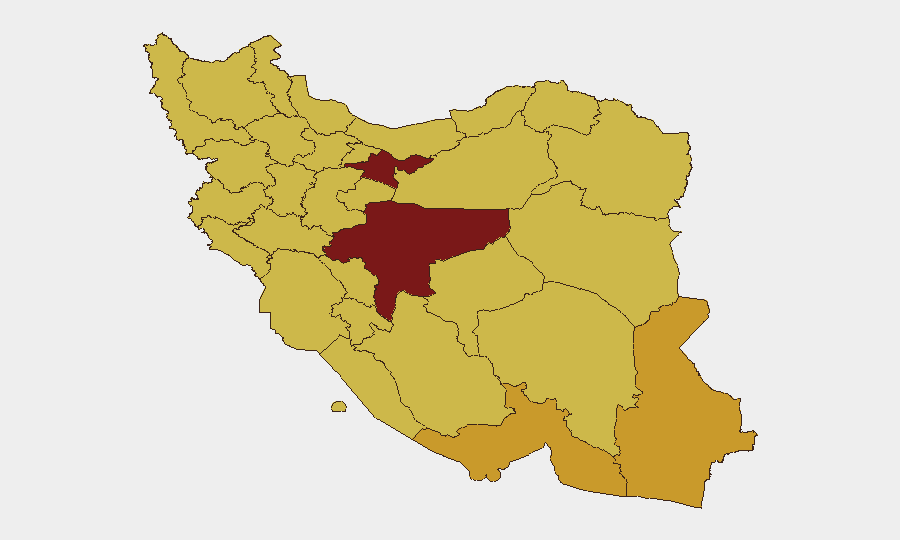
Isfahan Province (score 100) and Tehran Province (96.3) dominate the risk landscape, reflecting concentration of Iran's nuclear, military-industrial, and administrative infrastructure in these zones and their historical targeting in past conflicts. The Persian Gulf coastal belt—Hormozgan (71.5), Khuzestan (70.2), and Sistan and Baluchestan (72.1)—faces sustained risk from maritime interdiction, militia activity, and transnational smuggling networks. Kerman and Razavi Khorasan provinces, despite lower scores, remain volatility vectors due to remote terrain, border-trafficking activity, and Sunni-minority populations subject to security force scrutiny.
How GeoBit Would Assist
Corporate security teams monitoring Iran should employ AOI Monitoring & Early Warning on Isfahan, Tehran, and key Persian Gulf ports to detect arrests, military movements, or infrastructure incidents in real time. Maritime & Aviation Tracking combined with Economic & Trade monitoring will flag changes in shipping patterns, insurance requirements, and port access tied to the new PGSA rules. Network & Actor Analysis and multi-language OSINT (X/Telegram, local news) enable early detection of protest activity, supply-chain disruption, or escalation narratives before they impact operations on the ground.
7-Day Outlook
The postponement of U.S.–Iran talks and Israeli escalation in Lebanon make near-term de-escalation unlikely; Iranian threat signaling and maritime enforcement measures will probably intensify over the next week. Companies with ships transiting the Strait or personnel in Isfahan and Tehran should expect heightened screening, potential delays, and elevated arrest/detention risk if diplomatic cooling continues.
Highest-Risk Areas — Ranked
| # | State / Region | Risk |
|---|---|---|
| 1 | Isfahan Province | 100 |
| 2 | Tehran Province | 96.3 |
| 3 | Sistan and Baluchestan Province | 72.1 |
| 4 | Hormozgan Province | 71.5 |
| 5 | Fars Province | 70.7 |
| 6 | Kermanshah Province | 70.7 |
| 7 | Alborz Province | 70.6 |
| 8 | Razavi Khorasan | 70.5 |
| 9 | Gilan Province | 70.5 |
| 10 | Khuzestan Province | 70.2 |
| 11 | Kerman Province | 70.2 |
| 12 | Markazi Province | 70.2 |
Sources
Previous Daily Briefs
A new Iran brief is written every day — each with its own risk map and downloadable CSV. Here's the last week; use the calendar to go further back.
📅 Browse every day by calendar →
Highlighted days have a brief. Tap a day for that day's map & analysis, or “csv” for that day's dataset ($5).