Situation Summary
Mauritius maintains a calm internal security environment as of 29 July 2026, with no major unrest, political instability, or large-scale security incidents reported in the last 24–48 hours. Routine street crime—theft, robbery, burglary—remains a persistent baseline risk, particularly in Port Louis and tourist zones, but signal aggregators tracking 73 recent events report stability with no actionable trend. The most recent discrete security incident, a tear-gas exposure affecting 16 family members in Mahébourg on 24 July, has moved outside the immediate reporting window; all victims were treated and discharged the same night. The overall operational environment is stable, though district-level risk concentration warrants continued geographic focus.
Key Developments
No verified security or unrest incidents occurred in Mauritius during the 24–48 hours preceding 29 July 2026. Open-source news feeds and security-signal platforms report no new protests, civil disorder, infrastructure disruptions, armed clashes, or acute crime spikes in that timeframe. Baseline risks—robbery, burglary, occasional drug-related activity—persist but are not subject to new, time-stamped reporting in the last 1–2 days.
*For reference: The Mahébourg tear-gas incident (24 July) and ongoing "Moustass Leaks" investigative actions in Port Louis remain under review by authorities but fall outside the 24–48h window.*
Highest-Risk Areas
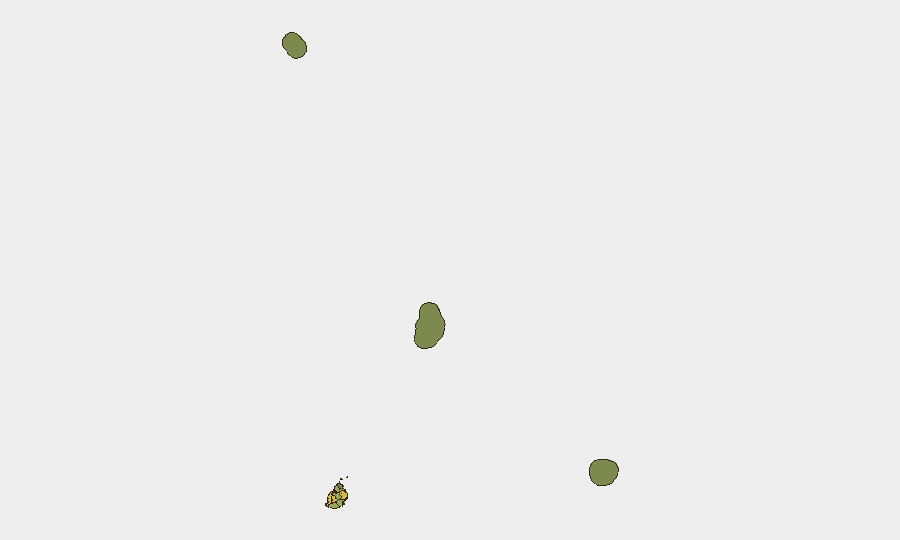
Port Louis (risk score 92) dominates the national threat landscape, driven by concentration of financial infrastructure, tourism, street crime, and administrative/political activity; Plaines Wilhems (68) and Black River (65) present secondary urban and mixed-use risks. Flacq and Grand Port (62, 58 respectively) reflect coastal town vulnerabilities to theft and robbery. The remote islands—Rodrigues, Saint Brandon, Agaléga—carry minimal active threat signals. Risk concentration in the western and central districts reflects both population density and criminal opportunity; security teams with personnel or assets in Port Louis should maintain heightened situational awareness around markets, waterfronts, and night-time movement.
How GeoBit Would Assist
Security teams should employ OSINT Fusion & Corroboration and multi-language search to monitor local media, social platforms (X, Telegram), and community reporting for early signals of unrest or crime escalation in high-risk districts. AOI Monitoring & Early Warning with persistent watch on Port Louis, Plaines Wilhems, and coastal zones would provide near-real-time alerting of emerging protests, roadblocks, or criminal activity affecting business continuity or staff safety. Risk & Threat Assessment coupled with Sentiment & Temporal Analysis of Mauritius-focused discourse would support duty-of-care decisions on travel, movement timing, and local partner engagement.
7-Day Outlook
The security environment is forecast to remain stable over the next 7 days absent major political shocks or organized crime escalation; baseline street-crime risk will persist. Authorities' ongoing investigations (Moustass Leaks, drug busts, tear-gas incident) are unlikely to generate acute operational disruption in the near term. Corporate teams should maintain routine security protocols—avoid night movement in Port Louis, secure valuables, verify local partner credentials—and monitor GeoBit feeds for any sudden signal shift.
Highest-Risk Areas — Ranked
| # | State / Region | Risk |
|---|---|---|
| 1 | Port Louis | 92 |
| 2 | Plaines Wilhems | 68 |
| 3 | Black River | 65 |
| 4 | Flacq | 62 |
| 5 | Grand Port | 58 |
| 6 | Moka | 52 |
| 7 | Savanne | 48 |
| 8 | Pamplemousses | 45 |
| 9 | Rivière du Rempart District | 38 |
| 10 | Rodrigues | 22 |
| 11 | Saint Brandon | 8 |
| 12 | Agaléga | 5 |
Sources
Previous Daily Briefs
A new Mauritius brief is written every day — each with its own risk map and downloadable CSV. Here's the last week; use the calendar to go further back.
📅 Browse every day by calendar →
Highlighted days have a brief. Tap a day for that day's map & analysis, or “csv” for that day's dataset ($5).
Atlas — our AI intelligence desk — emails them this snapshot personally. Nothing else, no list.