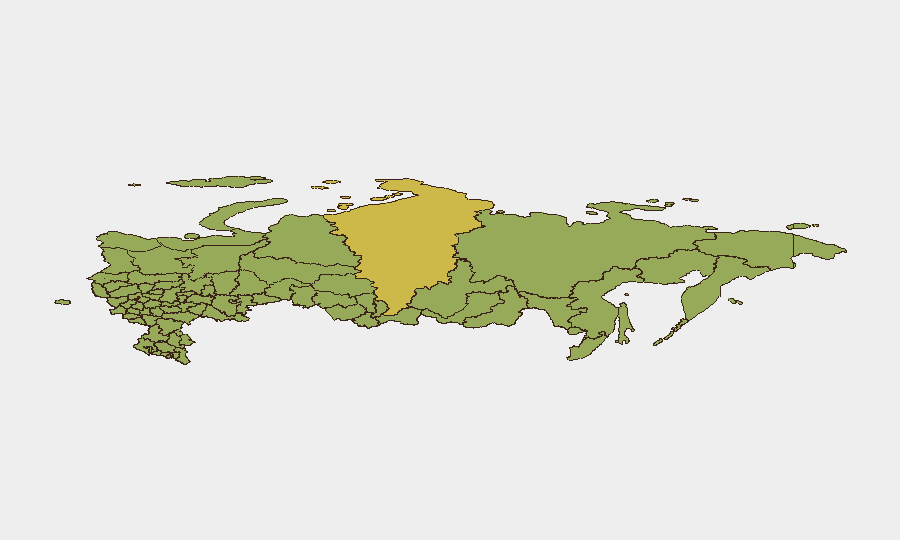
Situation Summary
Russia faces elevated near-term security risk (rank #14 globally, score 79) driven by sustained Ukrainian drone strikes on critical infrastructure in the capital, southern regions, and occupied Crimea. The last 48 hours have seen the largest Ukrainian drone offensive on Moscow in two years, concurrent with coordinated attacks on fuel and energy facilities across Krasnodar Krai, Crimea, and the Black Sea region. Civilian casualties and infrastructure damage are mounting, with fuel rationing now in effect in occupied Crimea. The operational tempo and geographic spread of attacks signal continued Ukrainian pressure on Russian logistics and civilian morale through summer 2026.
Key Developments
- Moscow region, 20 June 2026: Ukrainian drones executed the largest coordinated offensive on Moscow and its surrounding areas in approximately two years, striking infrastructure, causing fires, and scattering debris across multiple districts.
- Moscow residential high-rise, 20 June 2026: A drone strike damaged a civilian residential building in Moscow, with eyewitness video documenting impact damage to the structure's façade during the broader attack wave.
- Crimea (occupied), overnight 20–21 June 2026: Ukrainian strikes killed at least four people and injured 28. Regional authorities subsequently suspended civilian gasoline sales, restricting fuel distribution to government agencies only.
- Chushka village, Krasnodar Krai, early 21 June 2026: Ukrainian drones struck a Black Sea oil terminal, triggering a fire and contributing to a broader regional targeting of energy infrastructure.
- Krasnodar region ferry, Black Sea area, early 21 June 2026: A ferry was hit in a Ukrainian drone attack, resulting in at least one confirmed fatality.
- Southern Russia & occupied Crimea, overnight 20–21 June 2026: Multiple Ukrainian drone attacks across southern Russia and Crimea killed at least five people, injured dozens, and targeted oil, fuel, and associated infrastructure facilities region-wide.
Highest-Risk Areas
Moscow dominates the risk landscape at 85.4, driven by its role as the command, financial, and civilian hub and by the intensity of recent drone strikes. Krasnoyarsk Krai (70.9) and the southern corridor—Krasnodar Krai (57.2), Rostov Oblast (56.8), and Astrakhan Oblast (56.9)—face elevated risk due to exposure to Ukrainian attacks on energy and military-logistics infrastructure, fuel supply disruption, and proximity to the conflict zone. Saint Petersburg (57.7) and western oblasts including Smolensk (58.4) and Tver (57.2) remain vulnerable to drone strikes and spillover effects from prolonged military operations. Risk is concentrated in transportation hubs, energy nodes, and population centers.
How GeoBit Would Assist
Security teams operating in Russia should employ AOI Monitoring & Early Warning to track persistent threats in Moscow, Crimea, and the southern fuel/energy corridor, with automated alerting on drone activity, infrastructure strikes, and supply disruptions. Conflict & Military capabilities—including battle mapping, force structure tracking, and weapons-capability analysis—enable assessment of Ukrainian targeting patterns and Russian air-defense effectiveness. Economic & Trade and Satellite & Imagery analysis would support real-time monitoring of fuel rationing, energy-facility damage, and logistical bottlenecks affecting business continuity and personnel safety.
7-Day Outlook
Ukrainian drone offensives are expected to continue with similar or increased frequency, targeting Moscow's civilian and military infrastructure alongside southern energy nodes. Fuel shortages in occupied Crimea and possible broader energy-rationing measures may disrupt commercial operations and transportation across southern Russia. Elevated civilian casualty risk remains in Moscow, Krasnodar Krai, and occupied territories; corporate personnel in these areas face heightened exposure to indirect strike effects and potential secondary infrastructure failures.
Highest-Risk Areas — Ranked
| # | State / Region | Risk |
|---|---|---|
| 1 | Moscow | 85.4 |
| 2 | Krasnoyarsk Krai | 70.9 |
| 3 | Tyumen Oblast | 58.9 |
| 4 | Smolensk Oblast | 58.4 |
| 5 | Magadan Oblast | 58.3 |
| 6 | Saint Petersburg | 57.7 |
| 7 | Tver Oblast | 57.2 |
| 8 | Krasnodar Krai | 57.2 |
| 9 | Astrakhan Oblast | 56.9 |
| 10 | Dagestan | 56.8 |
| 11 | Rostov Oblast | 56.8 |
| 12 | Kirov Oblast | 56.7 |
Sources
Previous Daily Briefs
A new Russia brief is written every day — each with its own risk map and downloadable CSV. Here's the last week; use the calendar to go further back.
📅 Browse every day by calendar →
Highlighted days have a brief. Tap a day for that day's map & analysis, or “csv” for that day's dataset ($5).