Situation Summary
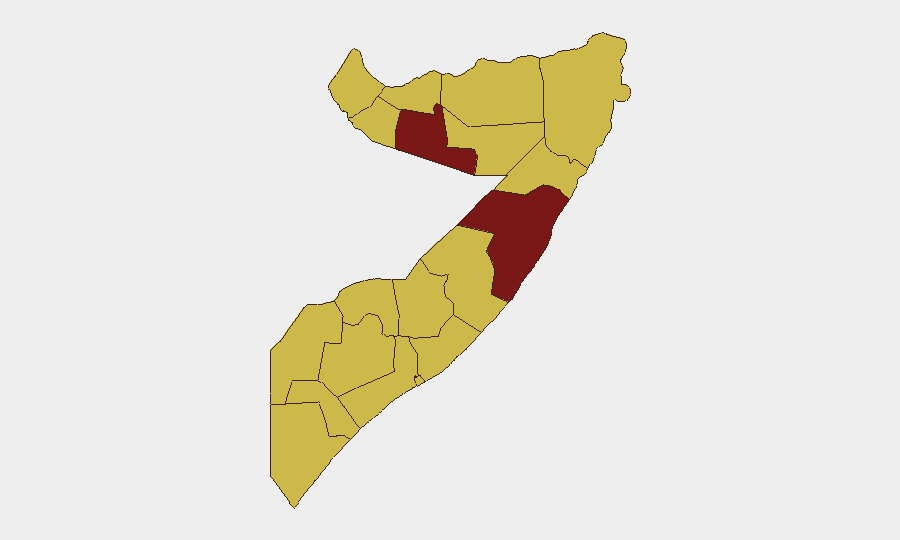
Somalia remains at global threat rank #11 with a composite score of 93, driven primarily by active Al-Shabaab insurgency and widening political friction at national and regional levels. Over the past 72 hours, the security picture reflects sustained militant pressure in southern and western zones, concurrent with diplomatic strain and press-freedom constraints that signal mounting state fragility. The most acute risks cluster in Mudug (95.2), Togdheer (80.2), and the capital region (Banaadir, 67.7), where insurgent activity, government-force clashes, and civilian exposure converge.
Key Developments
- Wajid Airport, Bakool – 11 July 2026: Al-Shabaab militants executed a coordinated attack on Ethiopian troops during military resupply operations, triggering sustained gunfire exchanges around the facility. Casualty figures remain unverified; the incident confirms intensified militant activity in western approaches.
- Garbaharey, Gedo – 11 July 2026: Hours after Wajid, Al-Shabaab launched an armed assault on a Somali government military position (locally known as the "WFP camp"), resulting in prolonged heavy fighting before disengagement. No confirmed casualty count released. The timing and coordination signal operational capacity across southern Somalia.
- Elasha Biyaha & Ma'aane, Mogadishu peri-urban – through 10 July 2026: Armed Al-Shabaab patrols conducted multi-night door-to-door questioning and intimidation operations 10–15 km west of the capital, indicating consolidation of militant presence and heightened risk of civilian intimidation and potential IED activity in the western suburban belt.
- Garowe, Puntland – 9 July 2026: Journalists protested the ongoing detention of reporter Suways Jama Mahmoud (held since 2 July without court appearance), signaling erosion of press freedom and mounting political friction at the regional level consistent with broader instability indicators.
- Diplomatic escalation – 9 July 2026: Six African states (Zimbabwe, Nigeria, Malawi, Mozambique, DRC, Ethiopia) issued coordinated formal demands to the Somali government, reflecting interstate diplomatic pressure likely tied to AU mission support, sanctions compliance, or extradition matters. This concurs with reporting of reduced U.S. logistical support and AU mission withdrawal risk.
Note: Open-source monitoring did not yield independently corroborated, time-stamped incidents within the 24–48 hours immediately preceding this brief (13–15 July). Developments listed are the most recent verifiable events and should inform forward-looking risk posture.
Highest-Risk Areas
Mudug emerges as the highest-risk region (95.2), driven by sustained Al-Shabaab operational presence and military engagement with Ethiopian and Somali forces. Togdheer (80.2) follows, reflecting similar insurgent activity in the northeast. The capital region (Banaadir, 67.7) and northwestern zones (Woqooyi Galbeed, 67.7) face compounded risks: militant infiltration of peri-urban areas, government instability, and shrinking operational space for civilians and aid workers. Southern states (Gedo, Bay, Middle Juba, Lower Shabelle, Bakool) are rated at 65.2–65.2 and remain theaters of sustained al-Shabaab pressure, particularly around military installations and transport corridors.
How GeoBit Would Assist
Security teams should deploy AOI Monitoring & Early Warning on high-risk regions (Mudug, Gedo, Bakool, Mogadishu peri-urban zones) to detect patrol activity, military movement, and IED placement in near-real time. Conflict & Military battle mapping and force-structure tracking will clarify militant disposition and Ethiopian/Somali government operational tempo. Network & Actor Analysis tied to Telegram and X/Twitter OSINT monitoring will surface emerging diplomatic or internal-security friction before official announcement, enabling duty-of-care escalation.
7-Day Outlook
Sustained al-Shabaab pressure in southern and western zones is expected to continue through mid-July, with particular focus on military installations and supply routes. Diplomatic friction and press constraints suggest elevated risk of political upheaval or security-force instability, which could degrade protective capacity for expatriate personnel and NGO operations. Personnel in Mudug, Gedo, and Mogadishu peri-urban areas should maintain heightened situational awareness and flexible contingency protocols.
Highest-Risk Areas — Ranked
| # | State / Region | Risk |
|---|---|---|
| 1 | Mudug | 95.2 |
| 2 | Togdheer | 80.2 |
| 3 | Woqooyi Galbeed | 67.7 |
| 4 | Banaadir | 67.7 |
| 5 | Awdal | 65.2 |
| 6 | Gedo | 65.2 |
| 7 | Bakool | 65.2 |
| 8 | Bay | 65.2 |
| 9 | Middle Juba | 65.2 |
| 10 | Lower Shabelle | 65.2 |
| 11 | Sahil | 65.2 |
| 12 | Hiiraan | 65.2 |
Sources
Previous Daily Briefs
A new Somalia brief is written every day — each with its own risk map and downloadable CSV. Here's the last week; use the calendar to go further back.
📅 Browse every day by calendar →
Highlighted days have a brief. Tap a day for that day's map & analysis, or “csv” for that day's dataset ($5).
Atlas — our AI intelligence desk — emails them this snapshot personally. Nothing else, no list.