Situation Summary
The United Kingdom faces a mixed but elevated security environment driven by converging cyber, infrastructure, and political-violence threats. England accounts for the overwhelming majority of tracked national risk (composite 31.8 vs. Scotland 4.6), reflecting concentrated vulnerability in metropolitan areas and critical-sector systems. Over the past 48 hours, multiple high-impact incidents—including data breaches affecting water infrastructure, sports governance, and universities, plus criminal charges in telecom fraud and transport cyber-attack cases—underscore systemic weakness in organisational cyber resilience and data protection. Political rhetoric remains tense, with recent detention of a threat-maker targeting an MP, though overall national risk ranking remains moderate globally (134th).
Key Developments
- South London, 21 July: Metropolitan Police detained a man in his twenties on suspicion of sending menacing communications after a social media post threatening to shoot Reform UK leader Nigel Farage, highlighting online-to-offline political violence risk.
- London (Old Bailey), 21 July: Prosecutors detailed charges against a defendant in the murder of former government minister Ann Widdecombe, with evidence presented of 21 hammer strikes at her residence earlier this month.
- Off English coast (UK EEZ), 21 July: Defence Minister Wes Streeting publicly condemned a Russian live-fire weapons exercise in UK waters as "irresponsible," escalating maritime defence posture amid heightened naval tension.
- London (Transport for London), 21 July: Two individuals pleaded guilty to charges stemming from the August 2024 cyberattack that disrupted London's public-transport network, with convictions now progressing through trial.
- United Kingdom (National Crime Agency), 21 July: UK authorities charged five individuals following investigation into "Russian Coms," a caller ID spoofing platform responsible for approximately 1.8 million scam calls, exposing systemic telecom fraud vulnerability.
- Nottingham, 21 July: University of Nottingham disclosed a data breach affecting current students and alumni records following unauthorised access by a hacking group.
- South Staffordshire, 21 July: UK Information Commissioner's Office imposed a fine of £963,900 on South Staffordshire Water Plc and parent company for a cyberattack exposing personal data of 663,887 individuals, revealing critical-infrastructure cyber-resilience gaps.
- England Hockey (national governing body), 21 July: England Hockey reported investigation of a potential ransomware breach after AiLock gang listed the organisation on a leak site, indicating sports-sector compromise.
Highest-Risk Areas
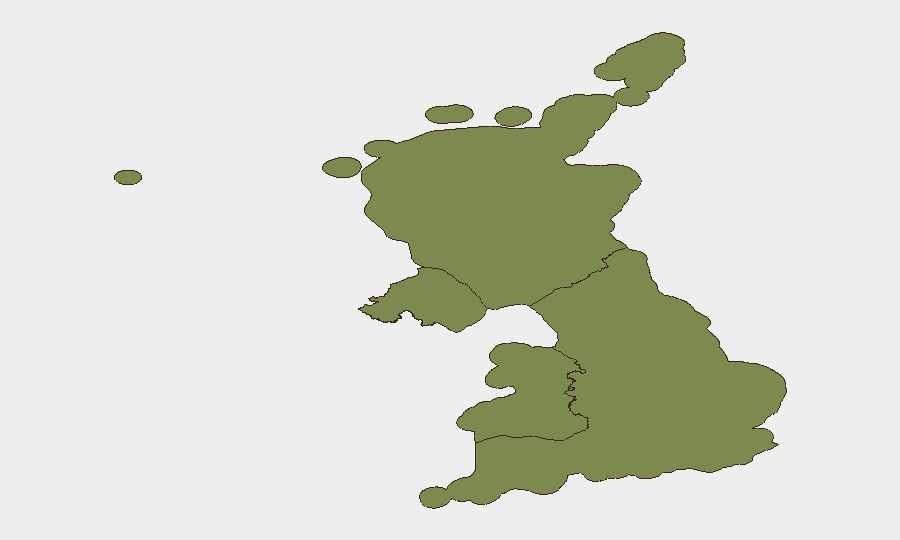
England dominates the national risk profile at 31.8, approximately seven times higher than Scotland (4.6) and fifteen times higher than Wales (2.2). This disparity reflects concentration of critical national infrastructure—finance, transport, water, energy, telecommunications—in England, particularly the London metropolitan area and Midlands. Northern Ireland (3.3) faces secondary elevation likely driven by historic political-sectarian dynamics and ongoing organised-crime activity. Scotland and Wales present substantially lower composite risk, though both remain subject to UK-wide cyber and organised-crime threats.
How GeoBit Would Assist
Corporate security teams should deploy Intel Sweep and global event feeds to monitor political-violence signals and threat-maker activity targeting UK senior figures and infrastructure operators. Cyber-breach search and critical-infrastructure monitoring capabilities enable early warning of water, transport, and utilities sector compromise, complementing internal detection. Network and actor analysis would identify cross-sector patterns in ransomware-group targeting and telecom-fraud infrastructure, supporting threat-hunting and supply-chain risk assessment.
7-Day Outlook
Cyber-attack pace and data-breach reporting are likely to sustain at current elevated levels through late July, with additional transport-sector and public-sector prosecutions expected. Political rhetoric may remain tense ahead of potential legislative or parliamentary developments related to immigration or defence policy, with continued online-threat-to-violence conversion risk. Russian maritime activity in UK waters is unlikely to escalate materially but will sustain elevated defence-sector alertness.
Highest-Risk Areas — Ranked
| # | State / Region | Risk |
|---|---|---|
| 1 | England | 31.8 |
| 2 | Scotland | 4.6 |
| 3 | Northern Ireland | 3.3 |
| 4 | Wales | 2.2 |
Sources
Previous Daily Briefs
A new United Kingdom brief is written every day — each with its own risk map and downloadable CSV. Here's the last week; use the calendar to go further back.
📅 Browse every day by calendar →
Highlighted days have a brief. Tap a day for that day's map & analysis, or “csv” for that day's dataset ($5).
Atlas — our AI intelligence desk — emails them this snapshot personally. Nothing else, no list.