Situation Summary
India's composite threat score of 88 places it at #16 globally, with 604 tracked events reflecting a moderate but fragmented security landscape dominated by regional variation rather than nationwide instability. The most recent 48 hours show a mix of natural-disaster aftermath, political detentions with inter-state dimensions, counter-insurgency activity, and infrastructure-security incidents (bomb threats to major hospitality assets). Overall trajectory remains steady with localized spikes; no indication of systemic escalation, though weather-related disruptions and ongoing militant activity in the northeast demand operational attention.
Key Developments
- Wayanad, Kerala – July 12, 2026: Continuing search and recovery operations following landslides; eighth body recovered, indicating active disaster response, infrastructure strain, and elevated risk to travel and supply chains in the affected region.
- Guntur, Andhra Pradesh – July 12, 2026: Telangana Police detained YSRCP spokesperson Nagarjuna Yadav at his residence over remarks allegedly critical of a state chief minister, exemplifying inter-state political tension and speech-related law-enforcement activity.
- Manipur (multiple districts) – July 12, 2026: Four militants apprehended across separate incidents within 24 hours; reflects ongoing counter-insurgency operations and armed-group presence in the state.
- Mumbai, Maharashtra – July 12–13, 2026: Bomb threat received against Taj Mahal Palace Hotel; full police search conducted with no device found. Incident follows similar recent threat to Delhi's Red Fort, signaling a pattern of threats against high-profile hospitality and heritage sites.
- West Tripura & Sepahijala, Tripura – July 13, 2026: Government suspended all school classes due to heavy rainfall and adverse weather; indicates localized flood and landslide risk.
- Kolkata, West Bengal – July 13, 2026: New anti-organised crime legislation became operational, granting police expanded detention and confiscation powers; may alter policing dynamics and organized-crime enforcement in the state.
- Puducherry – July 13, 2026: Information and Publicity Department Director arrested and remanded on land-grabbing and corruption allegations; signals active enforcement against official-level graft.
Highest-Risk Areas
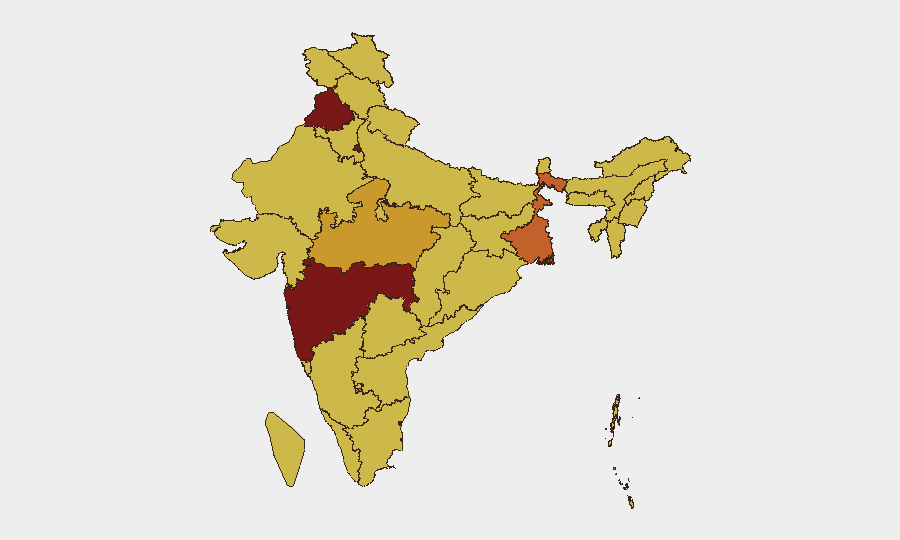
Maharashtra (91.2), Punjab (88.8), and Delhi (85.3) lead the sub-national rankings, driven by Mumbai's hospitality-sector threat pattern, Punjab's persistent criminal networks and cross-border tensions, and Delhi's political intensity and infrastructure-security incidents. West Bengal (73.7) ranks fourth, with new expansive policing powers and organized-crime enforcement now in effect, likely to generate friction. Northeast states—Manipur (implicitly high via counter-insurgency signals) and Tripura—show active militant activity and weather-driven disruption. The concentration of risk in metropolitan and border-proximate states reflects structural vulnerabilities: high asset density, cross-state criminal mobility, and political sensitivities.
How GeoBit Would Assist
Security teams monitoring personnel and assets in India should employ AOI Monitoring & Early Warning to track high-risk state capitals and hospitality clusters (Mumbai, Delhi, Kolkata) for threat-pattern emergence; OSINT Fusion & Corroboration (X/Twitter, Telegram, news feeds) to detect organized-crime enforcement escalation and political-detention trends; and Routing & Network Analysis to identify alternative supply and personnel routes around disaster zones (Wayanad, Tripura) and militant-activity areas (Manipur). Intel Sweep and multi-language search capabilities enable rapid detection of state-level policing-law changes (e.g., West Bengal's new statute) that affect duty-of-care obligations.
7-Day Outlook
Near-term risk remains localized and operationally manageable. Wayanad recovery operations will likely conclude within days, reducing immediate infrastructure risk. Political detention activity may persist across states given electoral and governance tensions; weather disruptions in the northeast are seasonal and should clear. Hospitality and heritage-site security will remain elevated as bomb-threat investigations progress. No systemic destabilization indicators present; monitoring focus should remain subnational and sector-specific.
Highest-Risk Areas — Ranked
| # | State / Region | Risk |
|---|---|---|
| 1 | Maharashtra | 91.2 |
| 2 | Punjab | 88.8 |
| 3 | Delhi | 85.3 |
| 4 | West Bengal | 73.7 |
| 5 | Madhya Pradesh | 72.4 |
| 6 | Uttar Pradesh | 68.3 |
| 7 | Rajasthan | 67.6 |
| 8 | Tamil Nadu | 66.8 |
| 9 | Jammu and Kashmir | 66.3 |
| 10 | Bihar | 66.1 |
| 11 | Haryana | 64.6 |
| 12 | Uttarakhand | 63.7 |
Sources
Previous Daily Briefs
A new India brief is written every day — each with its own risk map and downloadable CSV. Here's the last week; use the calendar to go further back.
📅 Browse every day by calendar →
Highlighted days have a brief. Tap a day for that day's map & analysis, or “csv” for that day's dataset ($5).
Atlas — our AI intelligence desk — emails them this snapshot personally. Nothing else, no list.