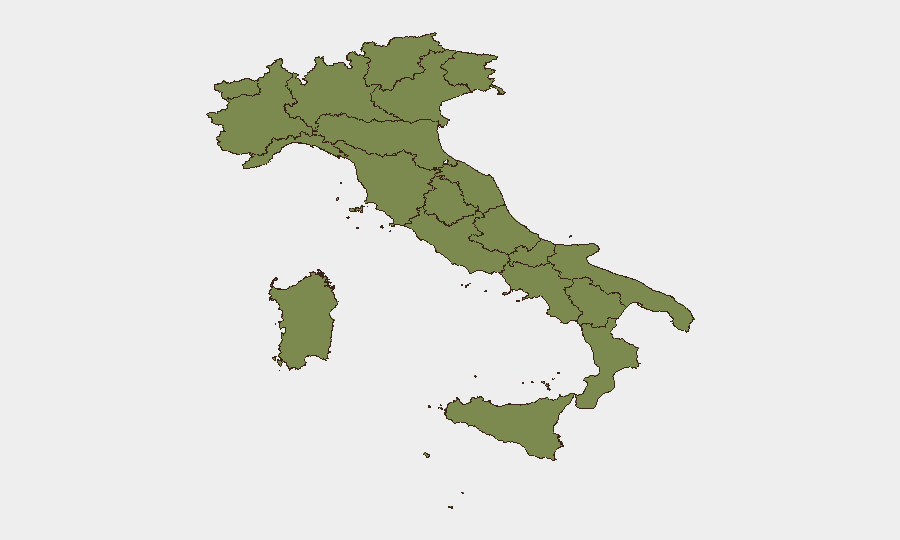
Situation Summary
Italy remains a moderate-risk environment (global ranking #130, composite threat score 4) with concentrated vulnerabilities in its northern and central urban centers. The past 48 hours have witnessed significant law-enforcement operations against organized crime and youth violence, civil unrest tied to a police custody death in Bologna, and emerging cybersecurity threats affecting northwest-region organizations. The security picture reflects persistent organized-crime activity, episodic civil disorder, and expanding digital-domain risk, with no indicators of systemic destabilization.
Key Developments
- Bologna (Emilia-Romagna) – 19–20 July, continuing into late July: Death of Abderrahim Fakir, a 42-year-old Moroccan, while restrained by police in the Pilastro neighborhood on 19 July has triggered ongoing protests and rioting in Bologna's historic center. Overnight unrest resulted in at least 11 injured, a municipal vehicle set alight, and property damage; heightened police presence and investigation ongoing.
- Rome & Turin (Lazio/Piemonte) – 23 July: State Police "Alto Impatto" operation yielded 26 arrests, 11 individuals reported to judicial authorities, two buildings cleared, and approximately 900 individuals identified across both cities in territorial control sweeps.
- 44 Provinces nationwide – 25–26 July: Large-scale police operation against juvenile crime resulted in 539 arrests (47 minors), 954 individuals reported, seizure of 703 kg drugs and 49 firearms, and inspection of 1,182 properties targeting youth involvement in violence, property crime, weapons, and hate offenses.
- Naples (Campania) – late July: Anti-mafia directorate (DDA) executed 8 detentions related to attacks and threats linked to reorganization efforts by the Zagaria clan (Camorra-affiliated), following recent intimidation activity.
- Verbano-Cusio-Ossola (Piemonte) – late July: Regional wildfires in the area have prompted close monitoring by regional authorities due to risk to forests, air quality, and potential disruption to roads and critical services; conditions aggravated by summer heat.
- Northwest Italy (macro-region) – H1 2026 data emerging late July: Italian organizations suffered 148 confirmed ransomware attacks in the first half of 2026; northwest Italy accounts for 42.6% of victims, with threat actors claiming exfiltration of over 13,400 GB of data, signaling elevated business-continuity risk.
Highest-Risk Areas
Lombardy (risk 32) and Lazio (risk 30.6) dominate the sub-national threat landscape, reflecting high concentrations of organized-crime activity, law-enforcement operations, and urban unrest in Milan and Rome respectively. Sardinia (12.3) represents a secondary cluster, likely tied to organized-crime networks and territorial disputes. The disparity between top-tier and mid-tier regions (Sicly at 7.7, Apulia at 7) suggests that organized-crime and criminal-justice system strain are geographically concentrated in the north and center, with southern regions showing lower but still material risk. Cybersecurity threats are concentrated in the northwest industrial belt, affecting supply chains and critical services.
How GeoBit Would Assist
Security teams monitoring Italy should deploy Intel Sweep and multi-language OSINT (X/Twitter, Telegram, local news feeds) to track protest activity, police operations, and organized-crime developments in real time. AOI Monitoring & Early Warning with persistent watches on Lombardy, Lazio, and Bologna enables detection of emerging civil unrest or criminal escalation before operational impact. Network & Actor Analysis paired with Cyber threat assessment capabilities can map organized-crime networks, track ransomware-group activity, and correlate digital threats with physical operations affecting northwest-region assets.
7-Day Outlook
Law-enforcement operations against organized crime and juvenile crime are expected to continue at current tempo, with potential for further detentions and asset seizure. Bologna's unrest may persist if judicial findings regarding the Fakir death remain contested; monitor for ripple protests in other urban centers. Ransomware and digital-extortion activity targeting northwest organizations will likely remain elevated through summer; business-continuity reviews advisable for exposed sectors.
Highest-Risk Areas — Ranked
| # | State / Region | Risk |
|---|---|---|
| 1 | Lombardy | 32 |
| 2 | Lazio | 30.6 |
| 3 | Sardinia | 12.3 |
| 4 | Sicily | 7.7 |
| 5 | Apulia | 7 |
| 6 | Trentino – Alto Adige/Südtirol | 6.6 |
| 7 | Liguria | 2.5 |
| 8 | Veneto | 2.3 |
| 9 | Marche | 2.3 |
| 10 | Umbria | 2.3 |
| 11 | Basilicata | 2.3 |
| 12 | Emilia-Romagna | 2 |
Sources
Previous Daily Briefs
A new Italy brief is written every day — each with its own risk map and downloadable CSV. Here's the last week; use the calendar to go further back.
📅 Browse every day by calendar →
Highlighted days have a brief. Tap a day for that day's map & analysis, or “csv” for that day's dataset ($5).
Atlas — our AI intelligence desk — emails them this snapshot personally. Nothing else, no list.