Situation Summary
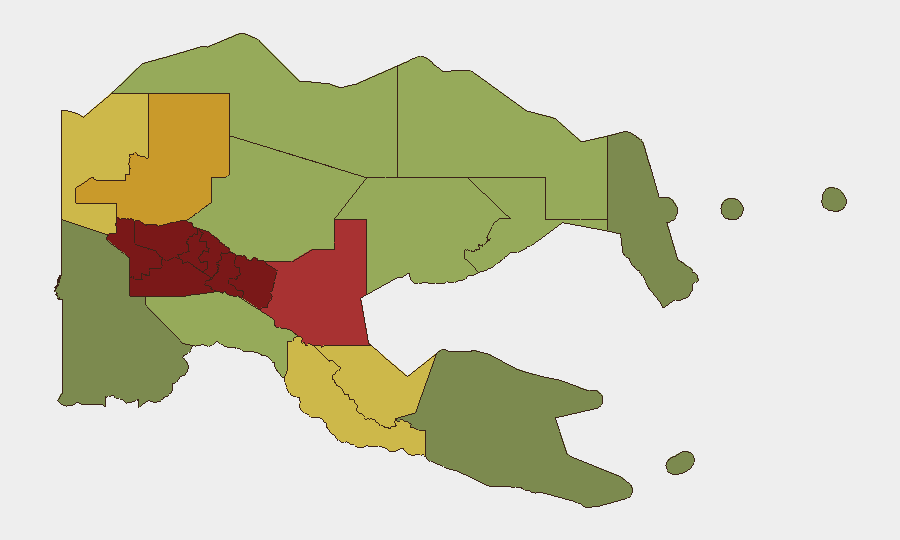
Papua New Guinea remains classified as a high-risk operating environment driven primarily by tribal violence, armed robbery, and correctional-system failures concentrated in the Highlands provinces. Recent prison escapes and deadly security incidents underscore acute vulnerabilities in state control and detention infrastructure, while simultaneous geopolitical shifts—notably Taiwan's diplomatic closure and emerging cybercrime legislation—signal evolving institutional and digital-security pressures. The country's composite threat score reflects persistent, endemic risk rather than acute escalation, but localized incidents in high-risk provinces continue to pose material duty-of-care challenges for corporate and expatriate populations.
Key Developments
- Port Moresby – Taiwan office closure (confirmed 20–21 July 2026). PNG's government has formally closed the Taipei Economic Office, ending Taiwan's diplomatic presence. The U.S. State Department issued a statement of concern on 17–20 July, characterizing the move as part of Beijing's campaign against Taiwan. Potential for small-scale diplomatic protests or public sentiment shifts in the capital.
- Baisu Prison, Western Highlands Province – deadly escape attempt (mid-July 2026; reported 20 July). Three inmates were shot dead and five critically injured during a prison breakout at Baisu. The incident reflects heightened lethality in prison-security responses and signals elevated tension in Western Highlands.
- Kerevat Prison, East New Britain Province – large-scale escape (mid-July 2026; status as of 20 July). Thirty-eight inmates remain at large following a breakout. Police operations and checkpoints are likely active; localized crime risk elevated.
- Bulolo District, Morobe Province – court hearing on April massacre (13 July 2026; case ongoing). Twenty-seven men charged in connection with the 26 April "Sambio Massacre" appeared before Bulolo District Court and were remanded. Case remains live; potential for inter-community tensions or reprisals.
- Nationwide – cybercrime/deepfake legislation announced (21 July 2026). PNG authorities announced amendments to the Cybercrime Act targeting AI-generated sexual content, child exploitation, voice fraud, and digital impersonation, to be debated when parliament reconvenes in November. Signals future regulatory and enforcement action on digital fraud and reputational crimes.
- Prime Minister assumes direct corrections oversight (announced 20 July 2026). Following two prison escapes, PM James Marape has taken personal charge of Correctional Services after the corrections minister and five others exited cabinet. Institutional restructuring may signal short-term operational instability.
Highest-Risk Areas
Southern Highlands, Enga, and Hela provinces dominate the risk ranking (scores 98, 96, and 94 respectively), driven by entrenched tribal violence, poor state presence, and limited law-enforcement capacity. The broader Highlands corridor (Eastern Highlands, Western Highlands, Jiwaka, and Simbu) collectively accounts for the country's most acute security burden. National Capital District (risk 85) remains volatile despite being the seat of government, reflecting high armed-robbery and civil-unrest risk. Recent prison incidents in Western Highlands and Morobe underline how state-security failures compound indigenous conflict drivers across these regions.
How GeoBit Would Assist
A security team operating in PNG would prioritize AOI Monitoring & Early Warning on high-risk provinces—particularly Highlands flashpoints and correctional facilities—coupled with Network & Actor Analysis to track prison-escapee movements and tribal-leadership networks. OSINT fusion (X/Twitter, local news, radio SIGINT, and YouTube) would provide real-time detection of civil unrest, checkpoints, and route closures affecting staff mobility. Routing & Network Analysis would enable dynamic travel-risk assessment and alternative-journey planning as incidents and police operations unfold.
7-Day Outlook
Prison-system volatility and escapee-recapture operations will likely dominate security-incident reporting over the next week, particularly in East New Britain and Western Highlands. Geopolitical sentiment around Taiwan's closure may manifest in small public demonstrations in Port Moresby but is unlikely to create direct security escalation. Underlying Highlands tribal violence and armed-crime risk remain elevated and stable; no major policy or environmental changes are forecast to alter near-term trajectory.
Highest-Risk Areas — Ranked
| # | State / Region | Risk |
|---|---|---|
| 1 | Southern Highlands | 98 |
| 2 | Enga | 96 |
| 3 | Hela | 94 |
| 4 | Eastern Highlands | 92 |
| 5 | Western Highlands | 90 |
| 6 | Jiwaka | 88 |
| 7 | National Capital District | 85 |
| 8 | Simbu | 82 |
| 9 | Morobe | 78 |
| 10 | East Sepik | 72 |
| 11 | Sandaun | 68 |
| 12 | Oro | 66 |
Sources
Previous Daily Briefs
A new Papua New Guinea brief is written every day — each with its own risk map and downloadable CSV. Here's the last week; use the calendar to go further back.
📅 Browse every day by calendar →
Highlighted days have a brief. Tap a day for that day's map & analysis, or “csv” for that day's dataset ($5).
Atlas — our AI intelligence desk — emails them this snapshot personally. Nothing else, no list.