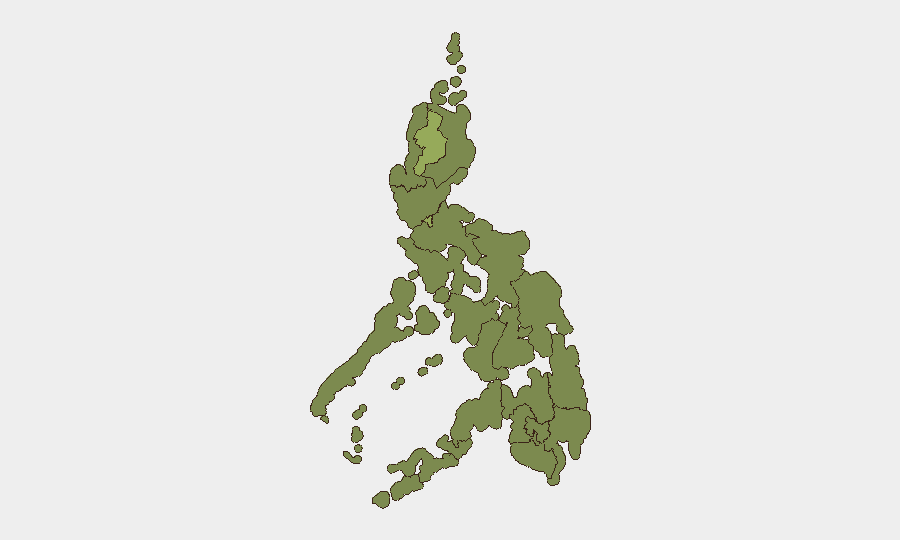
Situation Summary
The Philippines remains at moderate composite risk (rank 45 globally, score 41) with significant sub-regional variation driven by ongoing diplomatic tensions, regulatory scrutiny, and localized security pressures. Metro Manila dominates the risk profile (score 56), reflecting political and administrative friction at the national level, while the Cordillera Administrative Region (48.1) and Mimaropa (33.9) face distinct environmental and conflict-related pressures. No credible, multi-source verified security incidents have been reported in the last 24–48 hours; current signals derive from diplomatic and administrative actions rather than active operational threats.
Key Developments
- 2026-07-11 · Industry Disapprove: Regulatory or industry-sector opposition registered; location and specific sector unconfirmed from available open sources. Metro Manila likely hub given administrative concentration.
- 2026-07-10 · Philippine vs The Hague: Public statement on dispute with international court jurisdiction; no active security event reported but signals sustained diplomatic friction over maritime or sovereignty matters.
- 2026-07-10 · Police Investigation: Law enforcement activity initiated in Philippines (sub-national location not yet specified); scale and nature pending further corroboration.
- 2026-07-10 · Beijing Rejection: Official Philippine position statement rejecting external actor (likely maritime or South China Sea policy context); no operational incident reported.
- 2026-07-10 · Public Statement, Representatives vs Administration: Domestic political friction signaled; legislative opposition to executive action. No direct security incident; reflects governance strain typical of Metro Manila political environment.
- 2026-07-09 · Arrest/Detain in Manila: Detention event recorded in Metro Manila; subject identity, charges, and security implications not yet clarified from open sources.
- 2026-07-09 · Admin Sanctions (Economist, France): Regulatory action against economist; France-linked sanction signal suggests trade, sanctions-compliance, or international-relations friction; no immediate operational threat.
Highest-Risk Areas
Metro Manila's dominance (risk 56) reflects concentration of administrative decision-making, diplomatic engagement, and civil-political friction; current event signals (court disputes, legislative opposition, detention activity) cluster here. The Cordillera Administrative Region (48.1) faces distinct drivers—terrain complexity, indigenous-rights tensions, and resource-extraction disputes—creating persistent localized volatility separate from capital-region politics. Mimaropa (33.9), Cagayan Valley (32.4), and Western Visayas (27.6) present secondary hotspots tied to maritime-boundary sensitivities, environmental stress, and connectivity gaps. Below these, a broad plateau of regions (Bangsamoro, Caraga, Northern Mindanao, Soccsksargen, Davao, Ilocos, Central Luzon) all score 26, indicating distributed but lower acute risk.
How GeoBit Would Assist
Security teams should deploy AOI Monitoring & Early Warning focused on Metro Manila and Cordillera to catch protest, detention, or regulatory escalation signals in real time. Intel Sweep and multi-language OSINT fusion (including Telegram, local media, and radio SIGINT) will surface early friction in legislative, diplomatic, and law-enforcement channels before mainstream reporting. Routing & Network Analysis enables rapid alternative-route planning for personnel in Metro Manila during political friction or congestion; Entity & Network Analysis tracks key actors (opposition figures, regulators, security officials) whose actions drive near-term risk trajectory.
7-Day Outlook
Diplomatic and administrative friction is expected to persist, with no imminent operational escalation signaled. Monitor for further court-related statements, industry-regulation developments, and legislative actions in Metro Manila. Risk in peripheral regions (Cordillera, Mimaropa) will remain steady but localized; a significant security incident would likely require convergence of political triggering event and pre-existing resource or governance tension.
Highest-Risk Areas — Ranked
| # | State / Region | Risk |
|---|---|---|
| 1 | Metro Manila | 56 |
| 2 | Cordillera Administrative Region | 48.1 |
| 3 | Mimaropa | 33.9 |
| 4 | Cagayan Valley | 32.4 |
| 5 | Western Visayas | 27.6 |
| 6 | Bangsamoro | 26 |
| 7 | Caraga | 26 |
| 8 | Northern Mindanao | 26 |
| 9 | Soccsksargen | 26 |
| 10 | Davao Region | 26 |
| 11 | Ilocos Region | 26 |
| 12 | Central Luzon | 26 |
Sources
Previous Daily Briefs
A new Philippines brief is written every day — each with its own risk map and downloadable CSV. Here's the last week; use the calendar to go further back.
📅 Browse every day by calendar →
Highlighted days have a brief. Tap a day for that day's map & analysis, or “csv” for that day's dataset ($5).
Atlas — our AI intelligence desk — emails them this snapshot personally. Nothing else, no list.