Situation Summary
South Africa faces an escalating wave of violent crime and civil unrest concentrated in the Western Cape and Gauteng provinces, with 11 homicides reported in Cape Town alone over the past 48 hours and coordinated anti-immigration marches underway across 25 locations nationwide. A death-in-custody investigation involving a Nigerian national has triggered diplomatic attention and heightened scrutiny of police conduct. Police response has intensified through large-scale enforcement operations, but the combination of gang violence, xenophobic mobilisation, and institutional oversight creates a volatile security environment with direct implications for expatriate communities and foreign-national workers.
Key Developments
- Cape Town, Gugulethu (27 July, early morning): Two armed assailants forced entry into a residence in NY50, demanded firearms, and opened fire, killing 5 people and wounding 1. The Provincial Serious and Violent Crime Unit is investigating; no arrests reported.
- Cape Town, Kayamandi & Manenberg (26 July, overnight): Three separate shooting incidents resulted in 11 total fatalities across Cape Town's southern suburbs. Four people died in Kayamandi; two in Manenberg. Police have made no arrests and have not established motives.
- Cape Town (26–27 July, ongoing investigation): Nigerian national Ibeh Chika Simon (42) died in police custody last week after collapse during arrest. The Police Investigative Directorate documented multiple bruises and abrasions; the Nigerian foreign ministry is treating the case as "very unfortunate" and engaging South African officials.
- Mpumalanga Province (26–27 July, ongoing): Community-led shutdowns of foreign-national-owned shops are escalating in towns including Emalahleni, driven by claims of undocumented status and invalid permits. SABC reports rising anti-foreign sentiment mirroring national anti-immigration mobilisations.
- National (26–27 July, weekend into Monday): Twenty-five coordinated anti-illegal immigration marches occurred across South Africa, including organiser Jacinta Ngobese-Zuma. Arrests and enhanced police deployment followed heightened public division over the actions.
- Gauteng Province (26–27 July): Operation Shanela crackdown arrested over 1,200 suspects, including 159 undocumented foreign nationals, 157 drunk drivers, and 751 wanted persons. The operation reflects intensified police focus on immigration enforcement and crime suppression.
- Eastern Cape (within last 24 hours): A bus crash killed at least 16 people and injured 20, affecting emergency response and local travel corridors.
Highest-Risk Areas
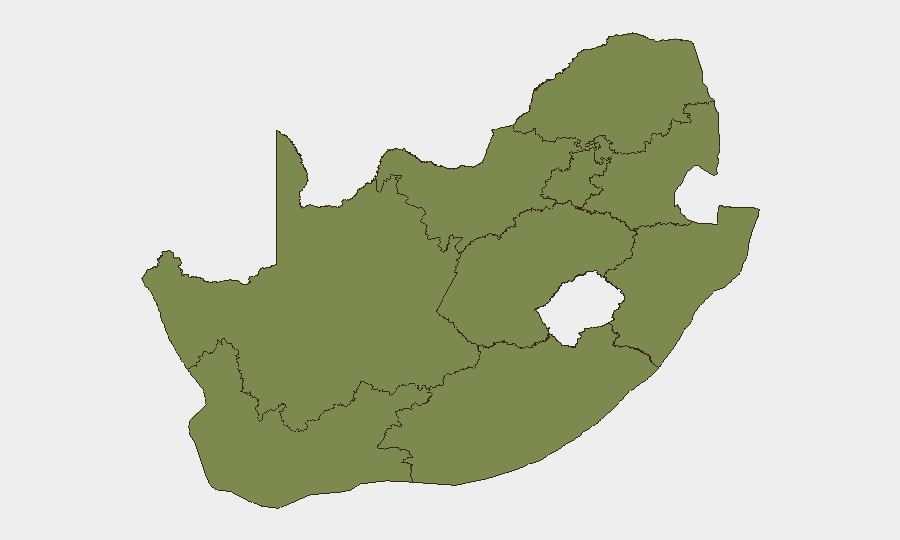
Western Cape (composite risk 33.8) dominates the threat landscape, driven by concentrated gang violence in Cape Town's townships and rapid escalation in homicides since 25 July. Gauteng (19.1) ranks second, with Operation Shanela and ongoing anti-immigration unrest in Johannesburg and surrounding areas creating secondary volatility. Eastern Cape and the northern provinces show lower but non-negligible risk profiles. The Western Cape's outsized risk reflects both entrenched gang activity and the current spike in multiple simultaneous shooting incidents with no clear attribution or arrest progress.
How GeoBit Would Assist
Security teams should deploy AOI Monitoring & Early Warning on high-risk precincts in Cape Town, Johannesburg, and Emalahleni to receive real-time alerts on protests, arrests, and violence. Intel Sweep and OSINT Fusion capabilities enable rapid corroboration of incident reports, casualty figures, and police response status across fragmented South African media. Routing & Network Analysis supports alternative route and journey planning for personnel and assets in affected provinces, particularly during anti-immigration marches and gang-violence hot periods.
7-Day Outlook
The 48-hour spike in Cape Town homicides and nationwide anti-immigration marches are unlikely to resolve within 7 days; police enforcement and investigative delays suggest sustained tension. Expatriate communities and foreign-national workers in Gauteng and the Western Cape face elevated risk from both opportunistic violence and xenophobic targeting. Diplomatic engagement over the death-in-custody case may intensify but will not immediately reduce operational-level risk to personnel on the ground.
Highest-Risk Areas — Ranked
| # | State / Region | Risk |
|---|---|---|
| 1 | Western Cape | 33.8 |
| 2 | Gauteng | 19.1 |
| 3 | Eastern Cape | 8 |
| 4 | Limpopo | 5.9 |
| 5 | North West | 5.9 |
| 6 | KwaZulu-Natal | 5.9 |
| 7 | Northern Cape | 3.8 |
| 8 | Free State | 3.8 |
| 9 | Mpumalanga | 3.8 |
Sources
Previous Daily Briefs
A new South Africa brief is written every day — each with its own risk map and downloadable CSV. Here's the last week; use the calendar to go further back.
📅 Browse every day by calendar →
Highlighted days have a brief. Tap a day for that day's map & analysis, or “csv” for that day's dataset ($5).
Atlas — our AI intelligence desk — emails them this snapshot personally. Nothing else, no list.