Situation Summary
Bahrain remains under elevated security pressure stemming from regional tensions with Iran, evidenced by recent air-defense incidents and diplomatic escalation in late July 2026. The Northern Governorate continues to present the highest sub-national threat profile, reflecting longstanding sectarian and security vulnerabilities. Overall threat trajectory is conditional on broader regional de-escalation; absent that, risk will likely remain elevated through early August.
Key Developments
Data Limitation Notice: The current research corpus contains event citations from late July 2026 but lacks clearly time-stamped security incidents from the last 24–48 hours (as of 2026-08-02). The most recent verifiable signal is:
- 2026-07-31 · Diplomatic Statement · Saudi–Bahrain Relations: A public statement was issued between Saudi Arabia and Bahrain on 31 July; details and context require fresh OSINT confirmation, but the event signals ongoing regional coordination or tension tied to shared security concerns.
Prior to the 24-hour window, reporting indicates Bahrain's air defenses intercepted drone and/or missile activity linked to Iran, and that Bahrain requested an emergency UN Security Council session in response. These incidents (dated to late July but not precisely within the last 48 hours) established the current threat backdrop but cannot be reported as active developments without updated sourcing.
Recommendation: GeoBit's Intel Sweep and real-time X/Twitter OSINT capabilities should be tasked to surface any incident reports, military statements, or critical infrastructure alerts issued in the past 24 hours to close the current reporting gap.
Highest-Risk Areas
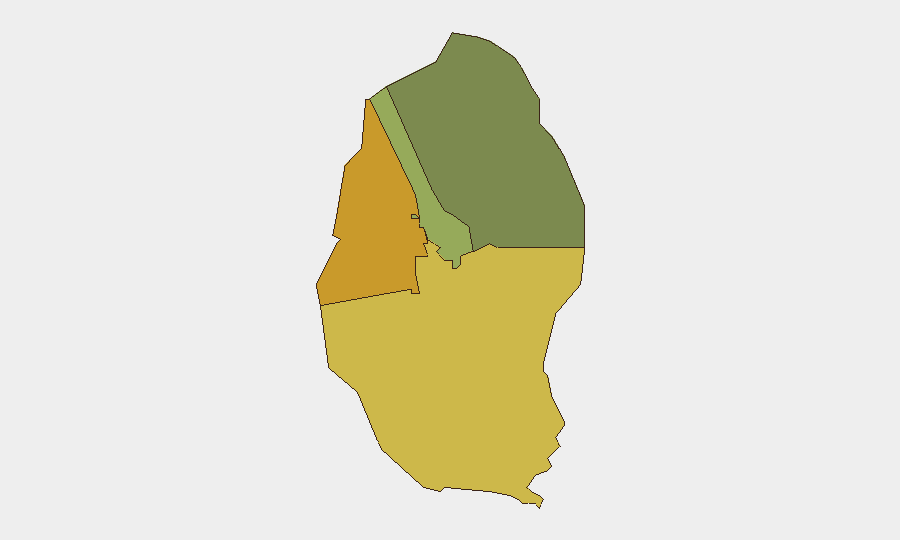
The Northern Governorate (composite risk 72) and Southern Governorate (risk 68) together account for the majority of tracked threat activity and represent distinct risk vectors: the Northern zone reflects sectarian tensions and historical protest activity, while the Southern region presents border and maritime security vulnerabilities tied to proximity to Saudi waters and potential Iranian operations. The Capital Governorate (Manama, risk 45) houses government institutions, critical infrastructure, and expatriate populations, and remains a secondary but significant focus for threat actors. Muharraq Governorate (risk 38), though lower-ranked, includes the main airport and should be monitored for aviation-linked incidents or supply-chain disruptions.
How GeoBit Would Assist
A corporate security team with staff or assets in Bahrain should task AOI Monitoring & Early Warning on the Northern Governorate and key infrastructure sites (government, ports, airport) to receive real-time alerts on security incidents, military activity, or civil unrest. Intel Sweep and OSINT fusion (including Telegram, X, and Arabic-language feeds) would provide 12–24 hour advance warning of organized protests, security force movements, or regional diplomatic crises. Routing & Network Analysis can help security teams pre-plan alternative transportation and supply routes in case of road closures or port disruptions linked to heightened regional tension.
7-Day Outlook
Absent a major regional escalation or de-escalation announcement, Bahrain's threat level will likely stabilize at current elevated levels through early August. Watch for any follow-on Iranian statements or military posturing, or conversely, for signs of U.S. or GCC diplomatic intervention that might reduce short-term risk. The next 7 days are critical for monitoring whether the 31 July Saudi–Bahrain statement signals coordinated deterrence or signals a new phase of tension.
Highest-Risk Areas — Ranked
| # | State / Region | Risk |
|---|---|---|
| 1 | Northern Governorate | 72 |
| 2 | Southern Governorate | 68 |
| 3 | Capital Governorate | 45 |
| 4 | Muharraq Governorate | 38 |
Sources
Previous Daily Briefs
A new Bahrain brief is written every day — each with its own risk map and downloadable CSV. Here's the last week; use the calendar to go further back.
📅 Browse every day by calendar →
Highlighted days have a brief. Tap a day for that day's map & analysis, or “csv” for that day's dataset ($5).
Atlas — our AI intelligence desk — emails them this snapshot personally. Nothing else, no list.