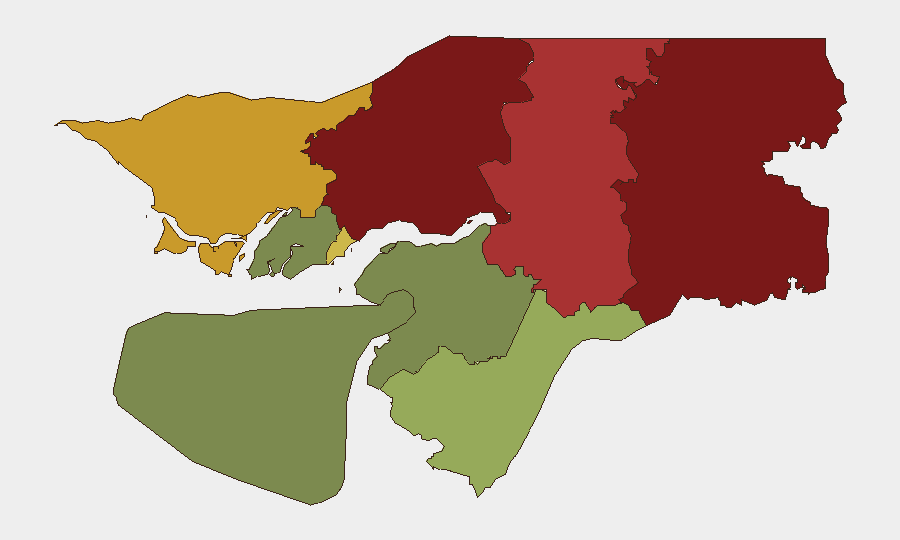
Situation Summary
Guinea-Bissau remains in a period of relative calm, with no confirmed security incidents, armed clashes, or civil unrest reported in the last 24–48 hours (14–15 August 2026). Underlying institutional tensions—including ongoing friction between military and judicial authorities—persist but have not escalated into operational disruptions or public disorder. The security environment is characterized by low acute risk paired with chronic structural vulnerabilities in state capacity and political contestation.
Key Developments
- No acute incidents reported (14–15 August 2026). All major professional monitoring sources confirm the absence of armed conflict, major crime, infrastructure failures, or destabilization events during the current 48-hour window.
- Institutional friction remains contained (post–11 August context). The former commander-general of the National Guard filed a criminal complaint against the president of the Military High Court for alleged abuse of power, signaling ongoing judicial–military tension but producing no documented street-level unrest or operational disruption to date.
- Civic space constraints documented (10 August context). Media reporting indicates young citizens report diminished comfort expressing political opinions, reflecting a narrowed space for dissent; however, no mass protests or crackdowns have been reported in the current window.
- ECOWAS mediation activity (6–8 August, contextual). Senegal-led mediation under ECOWAS auspices addressed post-coup political tensions without associated civil unrest during that period, indicating diplomatic engagement but no resolution of underlying contestation.
Highest-Risk Areas
Gabu Region (risk 92) and Oio Region (risk 85) are the dominant drivers of national risk, reflecting historical patterns of cross-border trafficking, weak state presence, and porous security perimeters in Guinea-Bissau's northern and northeastern zones. Bafatá Region (78) and Cacheu Region (72) follow, forming a high-risk corridor across the interior and north where narcotics trafficking, informal armed activity, and limited law-enforcement capacity create operational hazards. Bissau Autonomous Sector (68), while lower in the ranking, remains the political and administrative hub where institutional instability and elite contestation create indirect risks to formal operations and movement. The southern regions (Tombali, Quinara, Biombo, Bolama) present significantly lower composite risk, permitting more routine security postures in those areas.
How GeoBit Would Assist
AOI Monitoring & Early Warning would establish persistent watch over Gabu and Oio regions to detect cross-border trafficking surges, informal armed movement, or political flashpoints before operational impact. Network & Actor Analysis combined with OSINT fusion & corroboration would track institutional tensions between military and judicial actors, providing early signals of escalation or coup risk. Routing & Network Analysis would enable duty-of-care teams to identify and validate alternative transit corridors around high-risk northern zones, reducing exposure during staff or asset movement. Sentiment & temporal analysis on constrained civic space would flag whether suppressed discontent is building toward coordinated protest or unrest.
7-Day Outlook
No imminent escalation is indicated for the next seven days; the security environment should remain operationally permissive in central and southern zones. Institutional tensions warrant continued monitoring, as factional friction within the military and judiciary can shift rapidly in fragile political environments. Northern and northeastern regions will likely maintain their chronic baseline of trafficking and informal activity without acute incident, but conditions should be monitored for seasonal trafficking cycles or cross-border pressure from neighboring conflict zones.
Highest-Risk Areas — Ranked
| # | State / Region | Risk |
|---|---|---|
| 1 | Gabu Region | 92 |
| 2 | Oio Region | 85 |
| 3 | Bafatá Region | 78 |
| 4 | Cacheu Region | 72 |
| 5 | Bissau Autonomous Sector | 68 |
| 6 | Tombali Region | 45 |
| 7 | Quinara Region | 38 |
| 8 | Biombo Region | 32 |
| 9 | Bolama Region | 15 |
Sources
Previous Daily Briefs
A new Guinea-Bissau brief is written every day — each with its own risk map and downloadable CSV. Here's the last week; use the calendar to go further back.
- August 13, 2026
- August 11, 2026
- August 10, 2026
- August 8, 2026
- August 6, 2026
- August 5, 2026
- August 4, 2026
📅 Browse every day by calendar →
Highlighted days have a brief. Tap a day for that day's map & analysis, or “csv” for that day's dataset ($5).
Atlas — our AI intelligence desk — emails them this snapshot personally. Nothing else, no list.