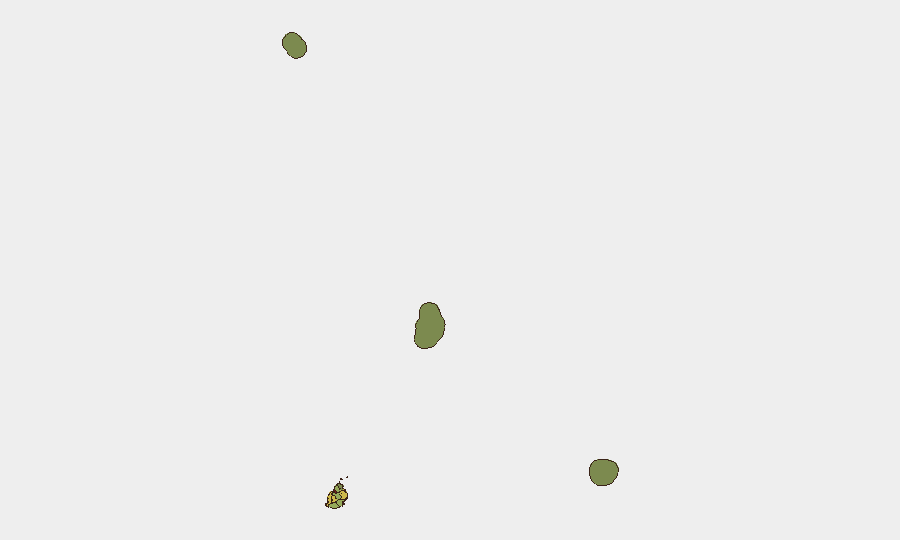
Situation Summary
Mauritius remains a low-threat jurisdiction globally (composite score 3; no tracked security events in the current window). Web research over the last 24–48 hours has not surfaced independently verified, newly confirmed security incidents, civil unrest, crime spikes, infrastructure failures, or travel disruptions. The only item of potential note is a government review of temporary social media restrictions, though the timing and confirmation status of that action require further corroboration. The overall security environment is stable.
Key Developments
- Social media restrictions review (timing unclear, government statement): Mauritian authorities reportedly lifted or reviewed a temporary suspension of social media access; however, no independent secondary source confirmation is available from the last 24–48 hours, and the original restriction period is not cleanly established in available reporting.
- No confirmed discrete security events: Live research across news, social media, and local sources has not identified any fresh crime, civil disorder, infrastructure incident, or political instability reports dated 2026-08-01 or 2026-08-02.
- Baseline stability maintained: Port Louis and surrounding urban districts continue to show elevated composite risk scores (Port Louis: 92; Plaines Wilhems: 68) relative to other regions, consistent with historical patterns in major commercial and population centers, but no acute triggering incidents have emerged in the reporting window.
Highest-Risk Areas
Port Louis (risk 92) accounts for the largest share of national risk, reflecting the capital's density, commercial activity, and historical concentration of petty crime and property offenses. Secondary hotspots include Plaines Wilhems (68), Black River (65), and Flacq (62), all typically driven by urban crime patterns and socioeconomic factors rather than organized conflict or political violence. Remote and island districts (Rodrigues, Saint Brandon, Agaléga) register substantially lower risk. The risk gradient is consistent with a stable, crime-focused threat model rather than instability or civil unrest.
How GeoBit Would Assist
Corporate security teams with operations in Port Louis or Plaines Wilhems would benefit from persistent area-of-interest monitoring and alerting to detect emerging crime clusters, labor actions, or traffic/infrastructure disruptions in real time. Intel Sweep and multi-language OSINT (including X/Twitter monitoring of Mauritian journalists, police radio, and local media) enable duty-of-care teams to verify rumors and separate genuine incidents from misinformation within hours. Alternative routing and network analysis capabilities support contingency planning for personnel and supply chains if localized disruptions occur.
7-Day Outlook
No credible indicators suggest material deterioration in the security environment over the next seven days. Mauritius is forecast to remain a low-threat jurisdiction. Continued monitoring of social media and local media for any follow-up on the restrictions review, and routine surveillance of Port Louis–area crime and labor activity, is appropriate for risk-averse organizations.
Highest-Risk Areas — Ranked
| # | State / Region | Risk |
|---|---|---|
| 1 | Port Louis | 92 |
| 2 | Plaines Wilhems | 68 |
| 3 | Black River | 65 |
| 4 | Flacq | 62 |
| 5 | Grand Port | 58 |
| 6 | Moka | 52 |
| 7 | Savanne | 48 |
| 8 | Pamplemousses | 45 |
| 9 | Rivière du Rempart District | 38 |
| 10 | Rodrigues | 22 |
| 11 | Saint Brandon | 8 |
| 12 | Agaléga | 5 |
Sources
Previous Daily Briefs
A new Mauritius brief is written every day — each with its own risk map and downloadable CSV. Here's the last week; use the calendar to go further back.
📅 Browse every day by calendar →
Highlighted days have a brief. Tap a day for that day's map & analysis, or “csv” for that day's dataset ($5).
Atlas — our AI intelligence desk — emails them this snapshot personally. Nothing else, no list.