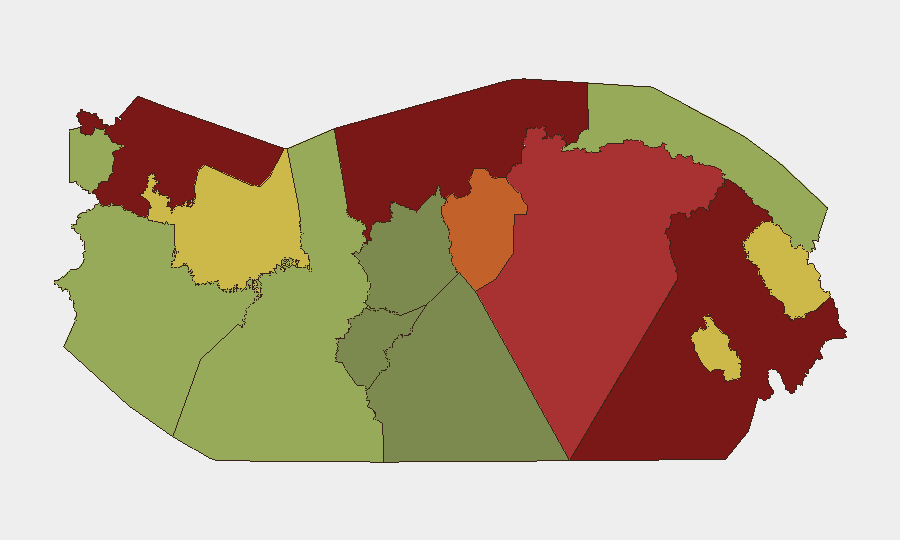
Situation Summary
Panama's security environment remains moderately elevated (global rank #45), with concentrated violence in port cities and border regions, ongoing maritime-trafficking pressure, and emerging infrastructure vulnerabilities. The past 48 hours have seen routine criminal violence in interior provinces, a significant cyberattack on critical metro infrastructure, and multinational Canal-security exercises that underscore persistent threats to the waterway. Dengue disease burden (4,900+ cases, 14 deaths as of 6 Aug) compounds public-health risk. The trajectory reflects endemic gang and narcotics activity rather than systemic instability, but operational disruption risks to the Canal and urban crime clustering warrant sustained attention.
Key Developments
- Panama Canal / Amador Terminal & Pacific entrance (7–8 Aug): PANAMAX 2026 multinational exercise ongoing; U.S. Coast Guard conducted high-speed maritime-interdiction drills and seized cocaine during pursuit operations, confirming active trafficking pressure on the waterway corridor.
- Panama City / Metro de Panamá (7–8 Aug): Cyberattack detected on metro technology infrastructure; operational impact and attribution not yet specified, but incident signals vulnerability in critical urban transport systems.
- Panama Canal Authority (5 Aug): Draft-limit restrictions announced for large vessel transits through Neopanamax locks from late August into September due to low water levels, operationally constraining throughput and affecting shipping schedules.
- Panama City / National Security Sector (5 Aug): Ministry of Public Security created a joint command for Canal-area security coordination, a policy formalization reflecting institutional response to persistent threats.
- Colón Province (7 Aug): Authorities convened to address rising violent-crime trend; no specific incident reported, but escalation narrative consistent with province's rank (#2 sub-national risk, score 88).
- Interior homicides (4–6 Aug): Multiple incidents reported across Torrijos Carter, David, La Loma, and other locations; most recent arrests in David homicide (6 Aug) and voluntary surrender of homicide suspect in Chame (5 Aug). Pattern consistent with ongoing inter-gang and domestic violence rather than organized campaign.
- Weapons trafficking arrests (5 Aug): Three detained in Arraiján on suspicion of arms trafficking; investigation ongoing by prosecutor's office.
Highest-Risk Areas
Darién (risk 95), Colón (88), and Bocas del Toro (82) form a high-threat band spanning the Colombian border and the Caribbean coast—zones of dense narcotics transshipment, indigenous-community instability, and limited state authority. Panamá Province and Panamá Oeste (78, 75) encompass the greater Canal Zone and Panama City periphery, where gang turf disputes and trafficking infrastructure collide with critical national assets. Darién remains the dominant risk driver: remote, porous to Colombian insurgency and trafficking networks, and minimal police presence. Colón's sustained elevation reflects port-sector criminality and organized competition for shipping corridors.
How GeoBit Would Assist
AOI Monitoring & Early Warning on Darién, Colón, and Canal approaches provides persistent watch for trafficking movements, incursions, and violence clusters; Maritime & Aviation tracking complements PANAMAX and Coast Guard interdiction ops by correlating vessel patterns with known trafficking signatures. Cyberattack & Infrastructure intelligence (via OSINT and Shodan) flags critical-system vulnerabilities like the metro breach, enabling proactive hardening. Network & Actor Analysis maps gang, cartel, and trafficking-organization presence across sub-national zones to forecast violence displacement and operational disruption.
7-Day Outlook
Violence is expected to remain episodic and localized to Colón, Panamá Province, and interior towns rather than citywide; however, the cyberattack on metro systems and Canal draft restrictions signal growing operational fragility. Dengue case surge may strain health-system capacity and divert security resources. PANAMAX exercises conclude within days, after which maritime-trafficking pressure will revert to routine interdiction rhythm—elevated but not crisis-level.
Highest-Risk Areas — Ranked
| # | State / Region | Risk |
|---|---|---|
| 1 | Darién | 95 |
| 2 | Colón | 88 |
| 3 | Bocas del Toro | 82 |
| 4 | Panamá Province | 78 |
| 5 | Panamá Oeste | 75 |
| 6 | Ngäbe-Buglé | 68 |
| 7 | Emberá-Wounaan | 62 |
| 8 | Veraguas | 58 |
| 9 | Chiriquí | 48 |
| 10 | Naso Tjër Di | 45 |
| 11 | Guna Yala | 42 |
| 12 | Coclé | 35 |
Sources
Previous Daily Briefs
A new Panama brief is written every day — each with its own risk map and downloadable CSV. Here's the last week; use the calendar to go further back.
📅 Browse every day by calendar →
Highlighted days have a brief. Tap a day for that day's map & analysis, or “csv” for that day's dataset ($5).
Atlas — our AI intelligence desk — emails them this snapshot personally. Nothing else, no list.