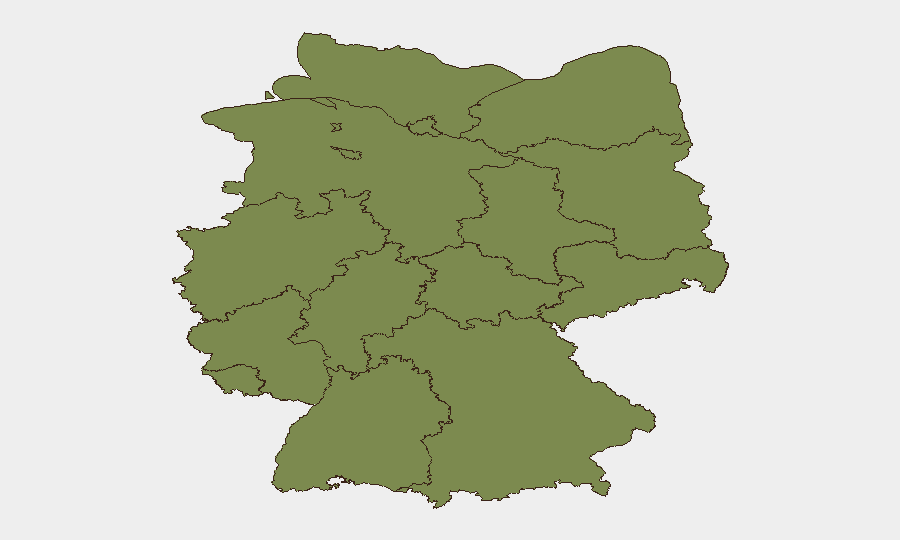
Situation Summary
Germany has escalated to a declared "high threat level" as of 18 July, citing intelligence of possible attacks on infrastructure, individuals, and institutions with potential imminent timing. While the national composite threat score remains moderate (rank 133 globally, score 5), several concurrent incidents over the past 48 hours—including transport disruptions, elevated diplomatic tensions with Russia, and large-scale NATO deployment—reflect a complex and fluid security environment. Thuringia and Berlin carry disproportionately elevated risk profiles and warrant focused monitoring. The overall trajectory is toward heightened vigilance rather than acute crisis, though infrastructure vulnerabilities and cross-border exposure remain areas of concern.
Key Developments
- Interior Ministry Security Posture (Germany nationwide, 18 July): Interior Minister Alexander Dobrindt announced an upgrade to "high threat level," citing intelligence on possible attacks against infrastructure, individuals, and institutions, with warnings that attacks could occur "at any time."
- Russian Ambassador Summoned (Berlin, Foreign Ministry, 19 July): The German Foreign Office summoned the Russian ambassador to protest recent cyberattacks targeting EU institutions and entities, signaling elevated cyber and diplomatic tensions.
- Violent Train Incident (Offenburg–Karlsruhe regional line, Baden-Württemberg, evening 17 July, reported 18–19 July): A Deutsche Bahn security guard was critically injured after falling from a moving train during a violent confrontation with a passenger; police are investigating the door-opening mechanism.
- A3 Motorway Crash (near Frankfurt Airport, A3 toward Würzburg, Hesse, 19 July): A police chase of a suspected people-smuggler ended in a multi-vehicle crash, injuring multiple people and temporarily closing lanes.
- NATO Exercise Deployment (Emden port and multiple training areas, Lower Saxony, from 19 July): NATO began deploying thousands of troops, vehicles, and equipment through Emden for "Steadfast Dart 26," creating increased military convoys and potential temporary traffic and security restrictions on key transport corridors.
- Cross-Border Collision (A5 motorway near Appenweier, Baden-Württemberg, ~20 km from French border, evening 17 July): A collision involving two cars and a coach in heavy rain injured ten people and disrupted the cross-border route toward Strasbourg.
- Protests During Chancellor Visit (Cologne city center, North Rhine-Westphalia, 19 July): Multiple protests occurred during Chancellor Friedrich Merz's visit, drawing opposition and support groups; police monitored gatherings that remained largely peaceful but caused localized traffic disruption.
Highest-Risk Areas
Thuringia (risk score 32) and Berlin (risk score 21.9) significantly exceed all other sub-national areas and drive the national threat profile. Thuringia's elevated score likely reflects persistent political polarization and fringe activism; Berlin's reflects its status as the capital and primary target for demonstrations and potentially disruptive actors. Bavaria, Saxony, and Lower Saxony carry secondary concern, with the latter now hosting NATO exercise activity. Baden-Württemberg and Hesse, while lower-ranked, have experienced concrete transport-sector incidents in the past 48 hours and remain relevant for duty-of-care teams managing logistics, travel, and staff movement.
How GeoBit Would Assist
Security teams should deploy AOI Monitoring & Early Warning on Thuringia, Berlin, and key transport nodes (Frankfurt Airport, A3/A5 corridors, regional rail lines) for persistent threat detection. Intel Sweep and multi-language OSINT (X/Twitter, Telegram, YouTube) would provide real-time sentiment and actor-network analysis around the elevated threat declaration and NATO deployment. Routing & Network Analysis capabilities enable alternative journey planning for personnel and supply chains around high-incident transport corridors.
7-Day Outlook
Germany will likely maintain high-alert posture through at least the end of July; NATO Steadfast Dart 26 exercise activity will generate increased congestion and transient restrictions on key routes. Cyber activity targeting EU and German institutions may persist or intensify amid diplomatic tensions with Russia. Transport-sector incidents (rail, motorway) appear clustered and may reflect reporting lag or seasonal factors rather than coordinated escalation, but duty-of-care teams should assume elevated baseline risk for personnel in transit.
Highest-Risk Areas — Ranked
| # | State / Region | Risk |
|---|---|---|
| 1 | Thuringia | 32 |
| 2 | Berlin | 21.9 |
| 3 | Bavaria | 5.8 |
| 4 | Saxony | 3.7 |
| 5 | Lower Saxony | 3.3 |
| 6 | Hesse | 3.3 |
| 7 | Hamburg | 3.1 |
| 8 | Baden-Württemberg | 2.8 |
| 9 | Rhineland-Palatinate | 2.1 |
| 10 | Mecklenburg-Vorpommern | 2.1 |
| 11 | Schleswig-Holstein | 2 |
| 12 | Saxony-Anhalt | 2 |
Sources
Previous Daily Briefs
A new Germany brief is written every day — each with its own risk map and downloadable CSV. Here's the last week; use the calendar to go further back.
📅 Browse every day by calendar →
Highlighted days have a brief. Tap a day for that day's map & analysis, or “csv” for that day's dataset ($5).
Atlas — our AI intelligence desk — emails them this snapshot personally. Nothing else, no list.